

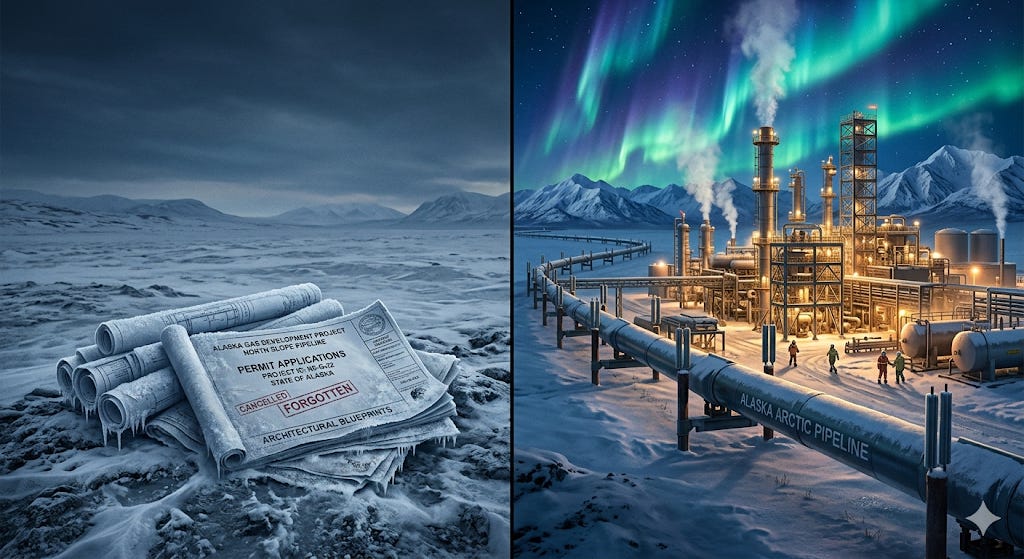
I share the goal of getting the best possible deal for Alaska. But when I hear claims from some of my Senate colleagues that this bill gives away too much, I keep coming back to one question:
Compared to what?
Their argument ignores the counterfactual. Everyone is focused on how much revenue Alaska might collect if the project gets built. Not enough people are asking what happens if it doesn’t.
There is no pipeline today, no gas treatment plant, and no billion-dollar tax base sitting on the North Slope waiting to be collected. The only way any of that revenue exists is if someone actually builds the project.
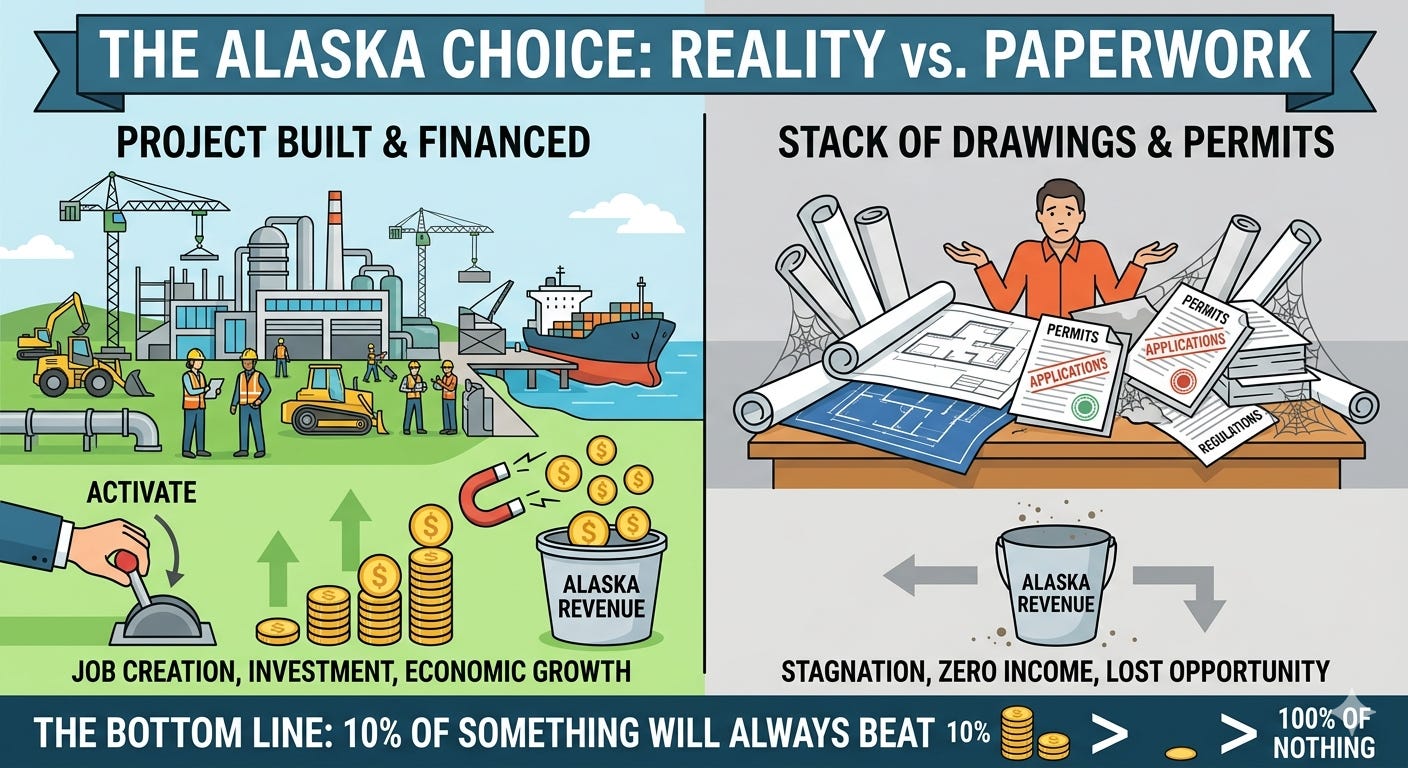
Take a facebook claim I recently read that the property tax provisions could cost state and local governments up to a billion dollars a year. That sounds alarming until you remember that the billion dollars only exists if the project exists. So the choice before us is not a billion dollars versus a tax incentive. It is a project that attracts financing and gets built, or a stack of drawings and permits that pays Alaska nothing. We can argue percentages all day long, but first there has to be something to take a percentage of. Ten percent of something will always beat one hundred percent of nothing.
The same logic applies to the debate over how long the tax structure should last. Studies can be useful, but they don’t write the checks. Investors and lenders decide whether this project moves forward, and if a longer period of certainty is what brings billions of dollars off the sidelines, that matters more than what looks tidy in a report.
Have we reached paralysis by analysis?
I’ve spent enough years in Alaska to know that projects do not die because someone ran the math wrong. They die because we assume capital will show up regardless of the risk. It won’t. Capital goes where it is welcome, and it avoids places where the rules change every few years.
The corporate income tax debate follows the same pattern. A company’s rate of return and its taxable income are not the same thing, and confusing the two is a good way to talk yourself into killing a project before it ever gets built. More importantly, projected tax collections from a project that never secures financing are still zero.
Then there is the question of gas prices.
Critics compare future North Slope gas prices to what we pay today. But today’s supply is not guaranteed to last. Cook Inlet production continues to decline, and utilities have warned for years that Southcentral Alaska is heading toward a shortfall. The honest comparison is not today’s gas versus North Slope gas. It is North Slope gas versus imported LNG.
And that backup plan has problems of its own.
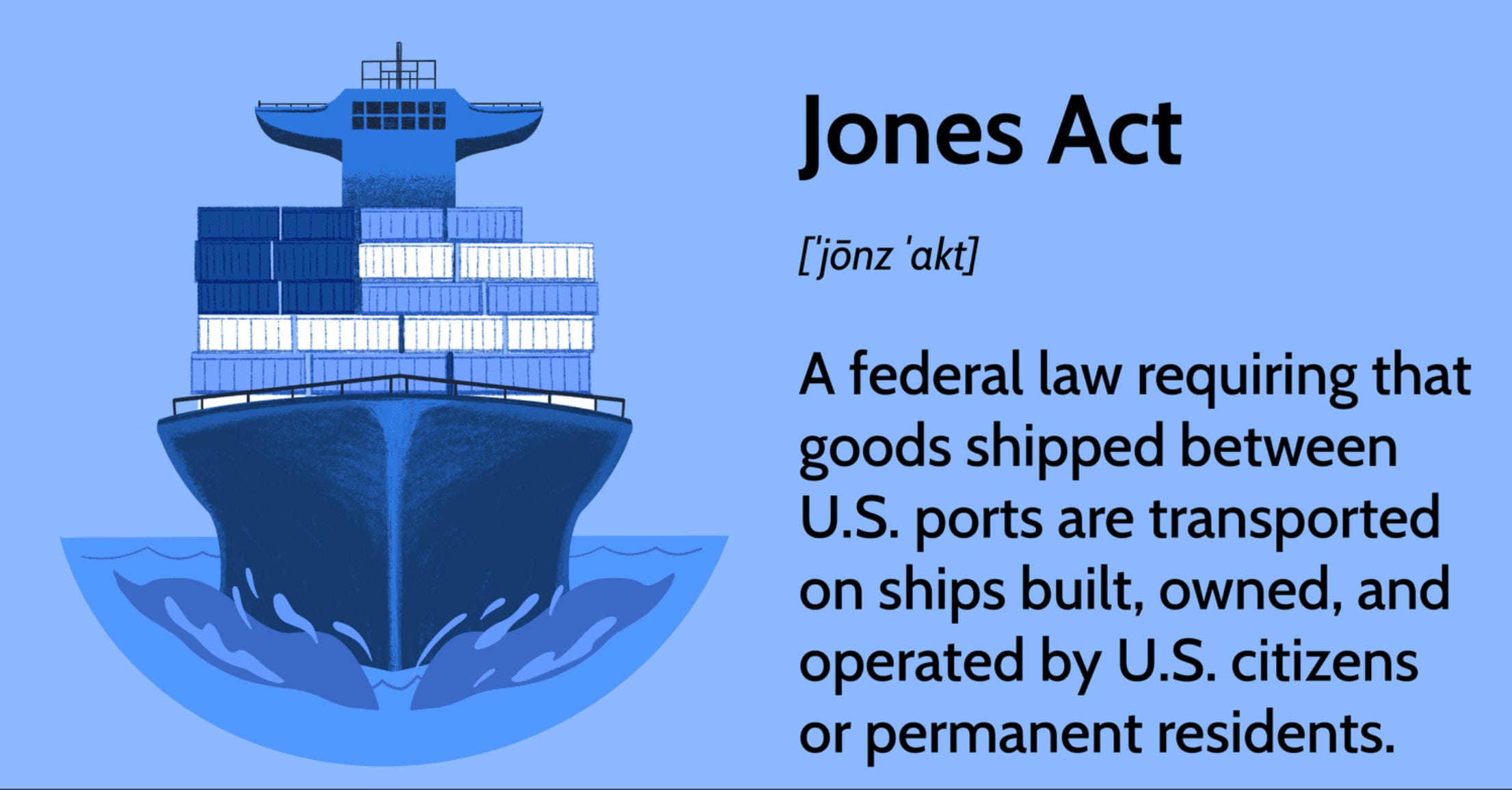
Because of the Jones Act, there is not a single LNG tanker in the world that can legally carry gas from one U.S. port to Alaska. The United States has not built a Jones Act-compliant LNG carrier in decades, and at roughly a billion dollars per vessel, nobody is lining up to build one. That means our fallback option is foreign gas, carried on foreign-flagged ships and purchased in foreign markets, while Alaska’s own gas remains stranded on the North Slope.
Alaska is sitting on one of the largest known natural gas resources in North America. Depending on foreign LNG while our own gas remains stranded is not a serious long-term energy strategy.
I would rather have reliable North Slope gas flowing to Alaskan homes and businesses than find ourselves dependent on imports because we spent years arguing over how to divide revenues from a project that never got built.
I agree with my Senate colleagues on one thing: we can do better.
But better cannot mean piling on so many costs, conditions, and uncertainties that the people financing these projects walk away. Alaska has a long history of changing the rules in the middle of the game, then acting surprised when investors decide to play somewhere else.
The Constitution requires us to obtain the maximum benefit from our resources. Maximum benefit is not the same thing as maximum taxation, and it is not the same thing as maximizing short-term revenue. For the people I represent, maximum benefit means affordable and reliable energy, thousands of construction jobs, long-term economic growth, and generations of royalties and tax revenue from a project that is actually operating.
This bill is not the final word. It has more committees, more debate, and more work ahead of it. I will continue working to improve it. But every change should be measured against one standard: does it make the project more likely to get built, or less?
Because the difference between a good talking point and good policy is whether the gas is flowing.