

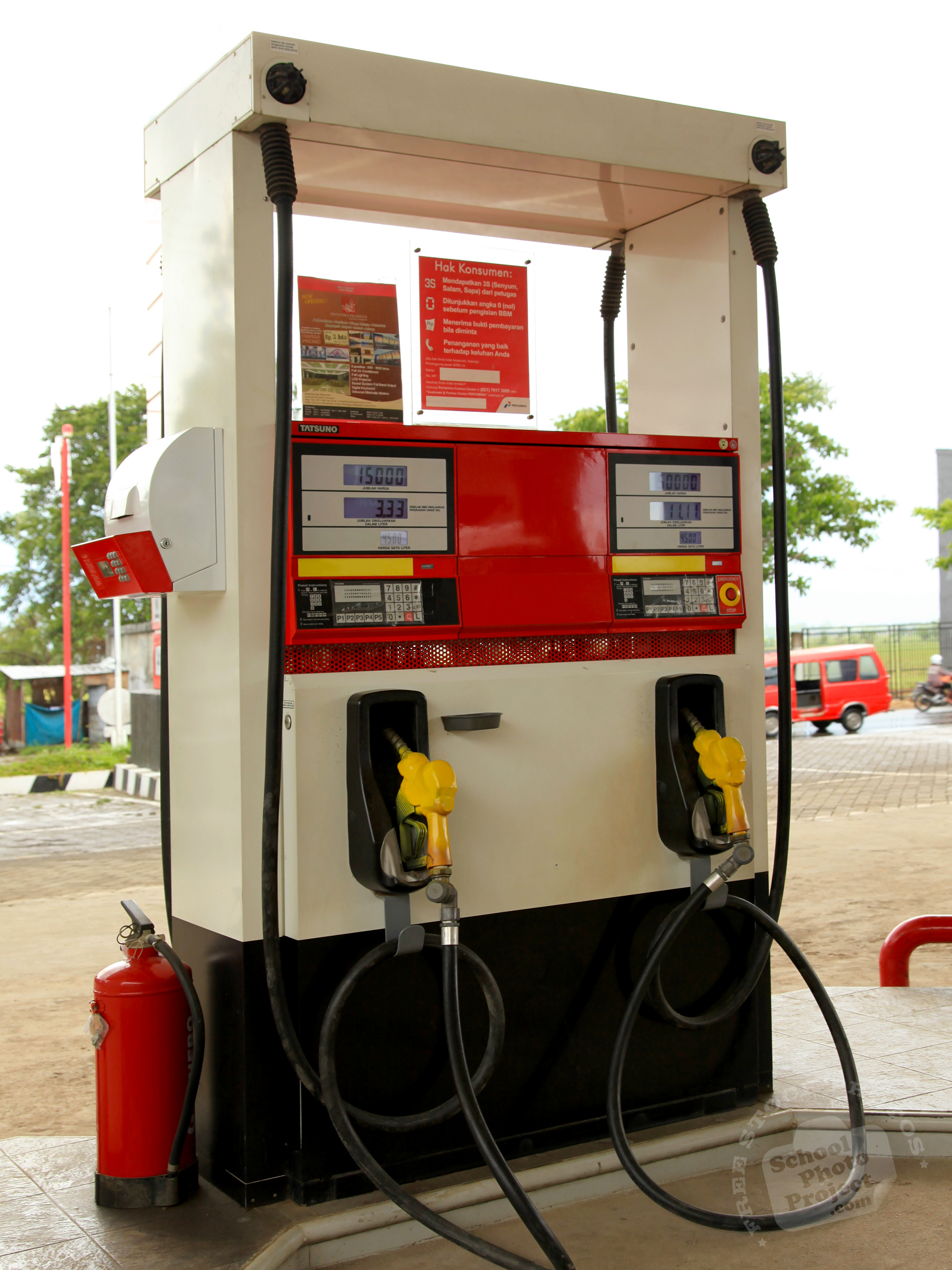
The simple answer is producing crude oil and producing gasoline are two different industries, and Alaska is structurally short on the second one.
Alaskans conflate “oil” and “gasoline” all the time, but they’re really two different businesses built on two different models. Exploration and extraction is what Alaska does well. That’s the upstream side. Companies like ConocoPhillips, Hilcorp, Santos, and ExxonMobil spend billions to find oil, drill it, lift it out of the ground, and move it to tidewater through TAPS. They sell crude into a global commodity market priced in world prices.

The downstream side of refining is a different animal. A refinery is a manufacturing plant. Crude goes in one end, finished gasoline and jet fuel and diesel come out the other. The business runs on the spread between crude price and finished product, not the price of crude itself. Refineries get built where there are big concentrated markets to sell into, not necessarily where the oil comes out of the ground.
Alaska is a whale on extraction and a minnow on refining. Our total in-state refining capacity wouldn’t crack the top 50 nationally. The oil under our feet doesn’t change that, because building a refinery is a separate decision made by a different kind of company for a different set of reasons.
Marathon’s refinery in Nikiski is the workhorse. About 68,000 barrels of crude a day, mostly Cook Inlet and North Slope oil. Roughly a quarter becomes gasoline, about a third is jet fuel, and the rest is diesel, heating oil, asphalt, and propane. Marathon Kenai is the only meaningful in-state gasoline producer we have.
The other two are run by Petro Star. North Pole near Fairbanks makes commercial and military jet fuel, ULSD, and home heating oil. Valdez produces jet, marine diesel, and heating oil for coastal communities, the Slope, and the military. Neither makes any real volume of gasoline. They’re built around distillate and jet on purpose.
Two companies. Three refineries. That’s the whole industry.
Most people don’t realize that Jet fuel is the largest volume of product. In FY2025, Ted Stevens Anchorage International moved roughly 916 million gallons of jet fuel. More than 21 million barrels through one airport. ANC is one of the busiest cargo hubs in the world, and trans-Pacific freighters refuel there to optimize their payload.
Statewide, jet fuel is around 44% of Alaska’s petroleum consumption. Gasoline is sideshow by volume.
Petro Star didn’t forget to make gasoline. Their refineries are configured around what Alaska actually buys most. Marathon’s yield slate, about 27% gasoline and 35% jet, reflects the same logic. Gasoline is what comes off the column when you’re really in business to sell jet and diesel.

If you want to know why Alaska gasoline isn’t cheaper, look at 2014, when the Flint Hills refinery in North Pole shut down its gasoline production.
Overnight we lost a meaningful chunk of in-state capacity. Prices reflected it. Imported gasoline from Washington had to fill the gap, and Alaskans paid for the barrel of crude to leave, the cost of refining it Outside, and the cost of shipping the finished product back home. Alaska is still a net importer of some refined products, and barged gasoline from Washington sets the ceiling on how cheap local gas can get.
Two ways to read this, and both deserve an honest hearing.

The demand-side reading. Alaska is a small market with very inelastic demand. People drive what they drive. The plow truck still has to run. When demand barely budges, sellers with limited competition, or oligopolies, have pricing power and they use it. The fix is public action. Infrastructure, antitrust are one way; using something like the PFD to put their own resource wealth back in people’s pockets is perhaps the best way.
The supply-side reading is the one I find more persuasive. Refineries are profit-maximizing businesses. Petro Star’s topping units and hydroskimming setups aren’t accidents. They’re responses to a tax, regulatory, and capital-cost environment where adding equipment to make more gasoline doesn’t pencil out. The crude is right there. The market is right there. But the return on a refinery upgrade isn’t competitive against the jet and distillate business that already pays the bills.

Arthur Laffer’s old insight applies here. The Laffer Curve shows that past a certain point, raising tax rates actually shrinks revenue because it kills the activity being taxed. Same logic for investment in refining. Push the return on an upgrade below what investors require and the upgrade doesn’t happen. We don’t lose just the marginal barrel. We lose the whole facility, and the competition it would have created.
I’ve been asked whether Alaskans could just refuse to buy gas for a while and force the price down. I get the impulse. The honest answer is no.

A boycott only works when demand is elastic, a competitor exists, and the effort is sustained and coordinated. Alaska fails all three. Short-run gasoline demand is famously inelastic. A 10% price hike usually cuts consumption 1 to 3%. Marathon Kenai doesn’t face a real in-state competitor, so there’s nowhere to defect. And even if Alaskans cut consumption, the refiner can throttle production or ship product elsewhere.
A boycott against the only in-state gasoline producer doesn’t create competitive pressure. It leaves the same refiner with a smaller, captive market and the same pricing power.
More refining capacity is the only possible way to drive fuel prices down. The Flint Hills closure made gasoline more expensive. The reverse would be true. A new refinery, or a capacity upgrade, would do more for pump prices than any consumer action.
A bigger, more diversified market that justifies building one. This is the resource development argument. Same logic that says a new data center can actually lower the average ratepayer’s cost. Spread fixed costs across more economic activity with a stable customer and the per-unit cost falls.
Underneath all of it, a policy environment that makes investment in Alaska refining attractive instead of marginal. That’s what supply-side economics actually means. Not a slogan. The configuration of our industry today reflects the math investors are looking at, and the only way to change it is to change the math.
Alaska’s gasoline isn’t expensive because someone is cheating us. It’s expensive because we’re a small, remote, jet-and-distillate market with one major in-state gasoline producer, a closed competitor, and an alternative supply that comes from Washington.
The crude under our feet doesn’t translate to cheap gas because gasoline isn’t crude. It’s a manufactured product, and Alaska’s manufacturing capacity is built around what our biggest customer, aviation, actually buys.
If we want cheaper gas, we need more refining, more competition, and a policy environment that makes building it here worth the capital. Free markets work. They only work when the conditions for investment are there.
Refusing to buy gas won’t do it. Building more capacity will. The only way to do that is by adding industrial or resource development customers that drive demand.