

I read Michael Smith’s new essay this morning. He calls it “short-selling life.” One of his examples got me thinking. For years, California made it harder and more costly to refine oil in the state. Now its refineries are closing, and the state is buying gasoline from across the Pacific. Smith was writing about California. But there’s a lesson in it for Alaska.
The first barrel of oil went down the Trans-Alaska Pipeline in 1977. Ever since, the West Coast has been our biggest customer. Many of those refineries were built to run North Slope crude. Today, Washington and California still buy about 80 percent of our oil. California alone buys about 220,000 barrels a day.
And that market is shrinking. Phillips 66 closed its Los Angeles refinery last fall. Valero stopped making fuel at its Benicia plant this spring. Together, those two refineries made up about 17 percent of California’s refining capacity. Up north, Washington’s carbon rules rate Alaska oil as dirtier than oil from Canada or North Dakota. That gives their refiners one more reason to buy someone else’s oil.
The timing could not be worse. After years of decline, Alaska is finally producing more oil. Pikka started up in May, and Willow should follow in 2029. The state Department of Revenue expects North Slope output to grow from about 457,000 barrels a day last fiscal year to nearly 518,000 this year. By 2034, it could reach almost 679,000. We fought through permits, lawsuits and delays to get here. Plenty of people said these projects would never be built. Now the oil is coming, and our closest customers are closing their doors.
That should matter to every Alaskan, not just oil workers. When our oil has to travel farther to find a buyer, higher shipping costs can mean a lower price at the wellhead. And that wellhead value helps decide what Alaska collects in royalties and production taxes. That money pays for schools, roads and troopers. It also shapes every fight over the PFD. A refinery closing in California can become a budget problem in Juneau.
Alaska oil is already looking for new buyers. This spring, two tankers left Valdez for Asia just weeks apart. That matched the total for all of last year. The war in the Middle East explains some of that, but not all of it.
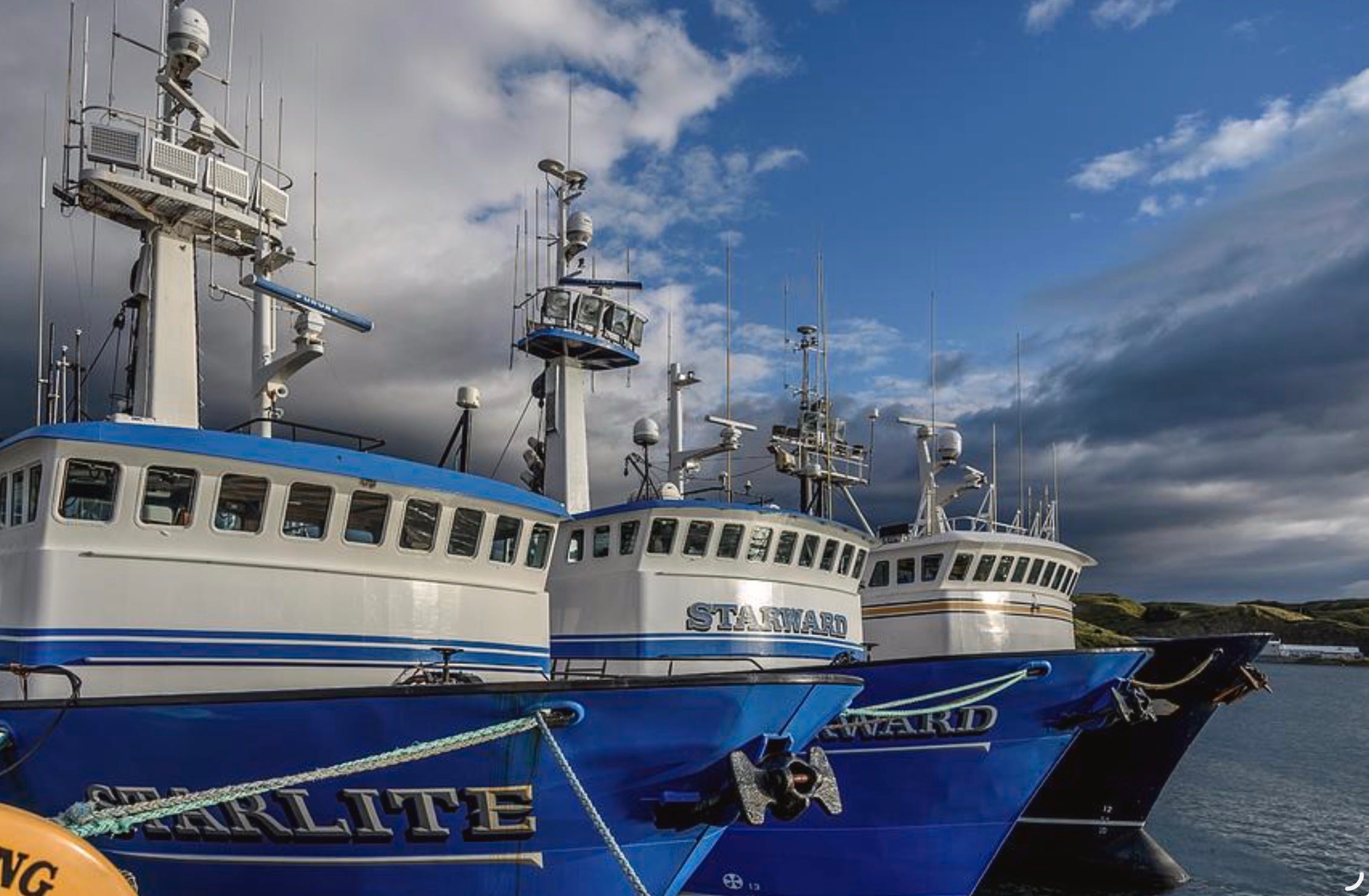
This isn’t just about the price of our oil. It’s about the price of our fuel. The Guardian recently reported that a fisherman in Dutch Harbor paid $86,000 to fill one boat with diesel. That town runs its power plant on diesel, too. The war with Iran and Ukrainian drone attacks on Russian refineries pushed oil prices up. No question about that. But Alaska was at risk long before the war.
Alaska has limited refining capacity, and we still depend heavily on fuel brought in from Outside. Some comes from Washington, and some comes from overseas, including refineries in South Korea that run on Middle Eastern oil. When the war hit, those Asian refiners scrambled to find oil. And the West Coast refineries that used to back us up were already closing. This spring, fuel suppliers told the House Energy Committee that California’s closures had tightened our supply.
Remember 2022? Washington lawmakers proposed a tax of 6 cents a gallon on fuel shipped out of their state. That included fuel headed back to Alaska, refined from our crude. We pushed back, because Alaskans would have been paying a tax set by a legislature we don’t elect. Washington dropped the idea, but it was a good reminder of what happens when you depend on someone else’s refineries.
That’s why I keep coming back to refining. Alaska is a whale at pumping oil and a minnow at refining it. More refining here won’t change the world price of oil. But it could reduce our dependence on fuel shipped thousands of miles and give us more control over our own supply. Whether it saves money depends on whether we can make the numbers work.
I understand California’s concerns. People who live near refineries have dealt with real pollution. In 2024, the state fined Valero $82 million for pollution at Benicia. What I can’t understand is what came next. California still uses 1.4 to 1.6 million barrels of petroleum products a day. That’s five or six times the crude oil it pumps. Closing refineries doesn’t shrink that demand. It just hands the work to someone else. Right now, that’s often a refinery in Asia using Middle Eastern oil. Those plants follow rules California doesn’t write and can’t enforce.
So the jobs and the tax money leave, and much of the pollution just moves overseas where there are less controls. Meanwhile, Alaska produces oil under some of the toughest rules in the world. Yet we keep losing ground to oil produced with far less oversight.
I call that NIMBY with a passport.
Before we point fingers at California, though, we should look in the mirror. Alaskans love what our resources pay for. We want a full PFD, good schools, safe roads, more troopers and no income tax. But when someone proposes a mine, a road, a gas line or a refinery, we spend years saying no. California wants gasoline without refineries. Too many Alaskans want money from our resources, or cheaper gas, without developing either. Sooner or later, the bill comes due for both.
We can’t run California’s energy policy, but we can get our own house in order. That means stable taxes, predictable permits and an honest look at where our oil will be sold. It means working with our congressional delegation to make the case for American oil produced under American rules. And it means finding ways to make more of the fuel we use right here in Alaska. Pikka and Willow will sell their oil wherever the best market is. Our job is to make sure Alaska stays a good place to produce it, refine it and invest the money it earns.
I’ll keep saying it: Alaska can’t spend what it won’t produce.
California can close its refineries, but it can’t close its gas stations. Someone will still pump the oil, refine the gasoline, collect the taxes and hire the workers. California has decided that someone should live somewhere else.
Alaska should learn from that mistake, not repeat it.