

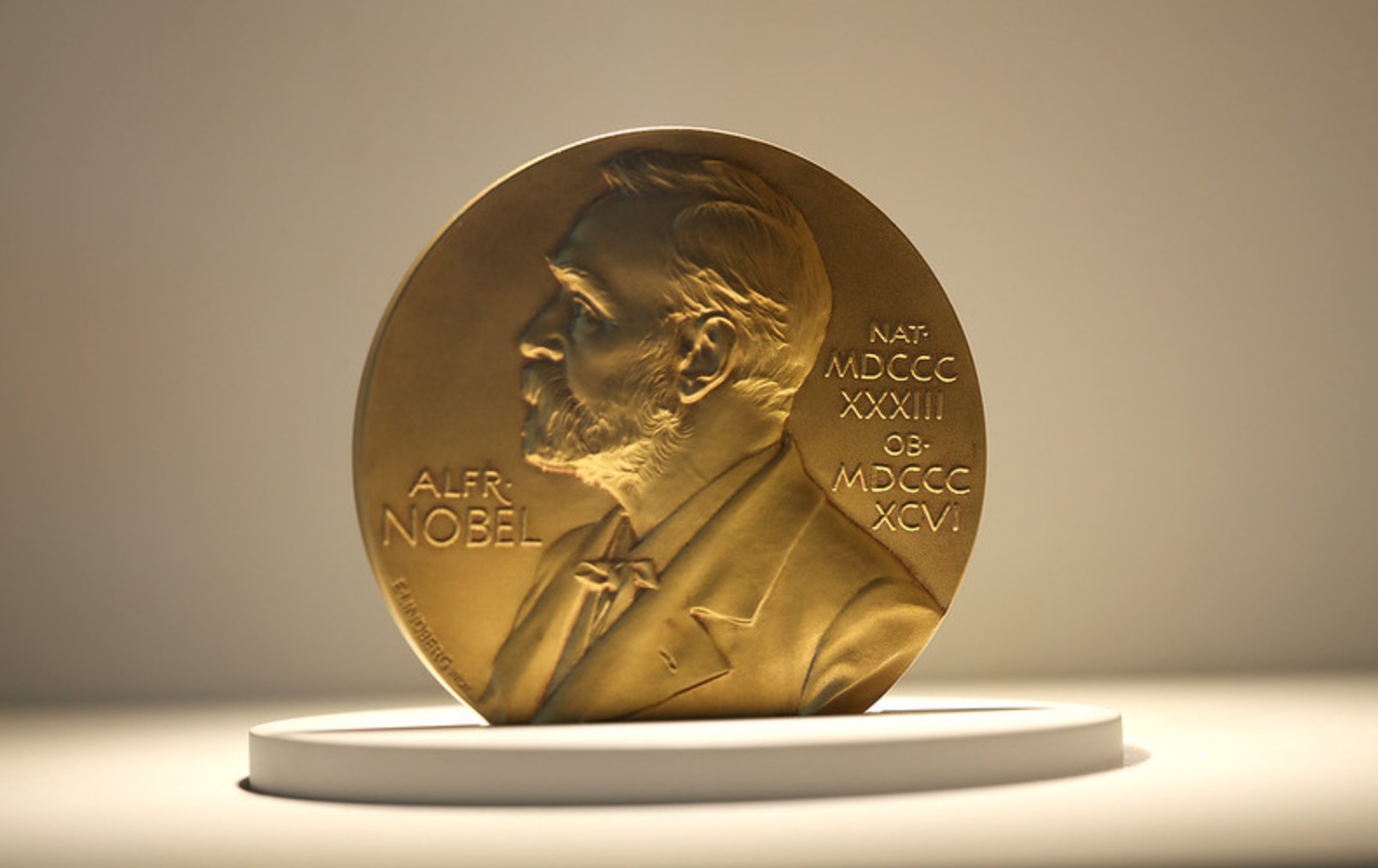
In 1895, Alfred Nobel, an inventor who understood both the power and danger of human innovation, left his fortune to reward those who “conferred the greatest benefit to humankind.” More than a century later, the Nobel Prizes remain symbols of human achievement, honoring the best in science, literature, and the pursuit of peace.
Yet it is that last category, the Peace Prize, that often exposes how deeply politics can color what we call virtue.
This year’s award to Venezuelan opposition leader María Corina Machado was no exception. Honored for her courage in challenging Nicolás Maduro’s dictatorship, Machado did something the global elite didn’t expect; she dedicated her award to President Donald Trump, recognizing his “decisive support” for Venezuela’s fight for freedom. That one sentence tore through the international press like dynamite, revealing how the Peace Prize can reflect not just ideals of hope, but the fault lines of a divided world.

For all its prestige, the Nobel process has never been immune to politics. Nominations come from academics, diplomats, and past laureates, and the selection committee operates in secret. The ceremony carries pomp, medals, and a million-dollar check, but it’s the judgment behind those closed doors that stirs the most debate. From Martin Luther King Jr.’s civil rights legacy to the global campaign to ban landmines, the prize has elevated some of humanity’s brightest lights. Yet it has also sparked controversy when its moral compass appeared to waver, like when Henry Kissinger received the award during the Vietnam War, or when Yasser Arafat and Aung San Suu Kyi fell from grace after their selections. And, of course, the committee’s failure to honor Mahatma Gandhi remains one of its greatest embarrassments.
That tension, between idealism and influence, runs through the prize’s history. Critics argue the committee leans toward Western sensibilities, rewarding those who align with global power structures while ignoring others who don’t fit the narrative. It’s hard to argue when the same institution that honored Barack Obama for his “promise” of peace in 2009 later hesitated to recognize genuine resistance movements fighting real tyranny, or Trump’s efforts to end the Ukraine war and bring peace to Gaza.
Which brings us back to María Corina Machado. Her award isn’t about political correctness or international popularity; it’s about courage. Maduro’s socialist regime has destroyed Venezuela’s economy, silenced dissent, and driven nearly eight million people to flee their homeland. Machado’s movement, built under constant threat of imprisonment and exile, is a stand for freedom in a nation where speaking the truth can get you killed. When she thanked President Trump, she wasn’t playing politics; she was acknowledging that American strength, the real and unapologetic strength of a strong friend and moral leader and ally, still matters to those fighting oppression.
That truth made some people uncomfortable. The White House seemed to distance itself, and social media critics labeled Machado and Trump “fascists.” But the irony is rich; those shouting the loudest about democracy often seem to despise it when it doesn’t fit their narrative. Trump’s administration, through sanctions and diplomatic pressure, was among the few that truly held Maduro’s regime accountable. That’s not partisanship, that’s leadership.

The Nobel Committee likely didn’t anticipate that their laureate would use the platform to thank a conservative American president, but in a way, that makes this award and this moment even more powerful. It reminds the world that freedom doesn’t come from elite approval or international panels; it comes from those willing to make the effort to stand up to tyranny, no matter who stands with them.
The Nobel Peace Prize is far from perfect. Its history is marked by bias and contradiction. But when it shines light on someone like Machado, a woman defying socialism, corruption, and fear, it fulfills its purpose. And if that light also illuminates the role of strong leadership, of American resolve, and of the values that sustain freedom, then perhaps it’s doing more good than its critics will ever admit.
Because at the end of the day, peace isn’t built in secret committees or global conferences. It’s built not only by leaders such as Trump, but by ordinary people who refuse to bow to dictators. And sometimes, as María Corina Machado reminded the world this year, peace requires courage, conviction, and the kind of decisive friendship and support that still make freedom possible.
Originally published on Substack: https://kevinjmccabe.substack.com/p/the-nobel-peace-prize-and-the-politcs