

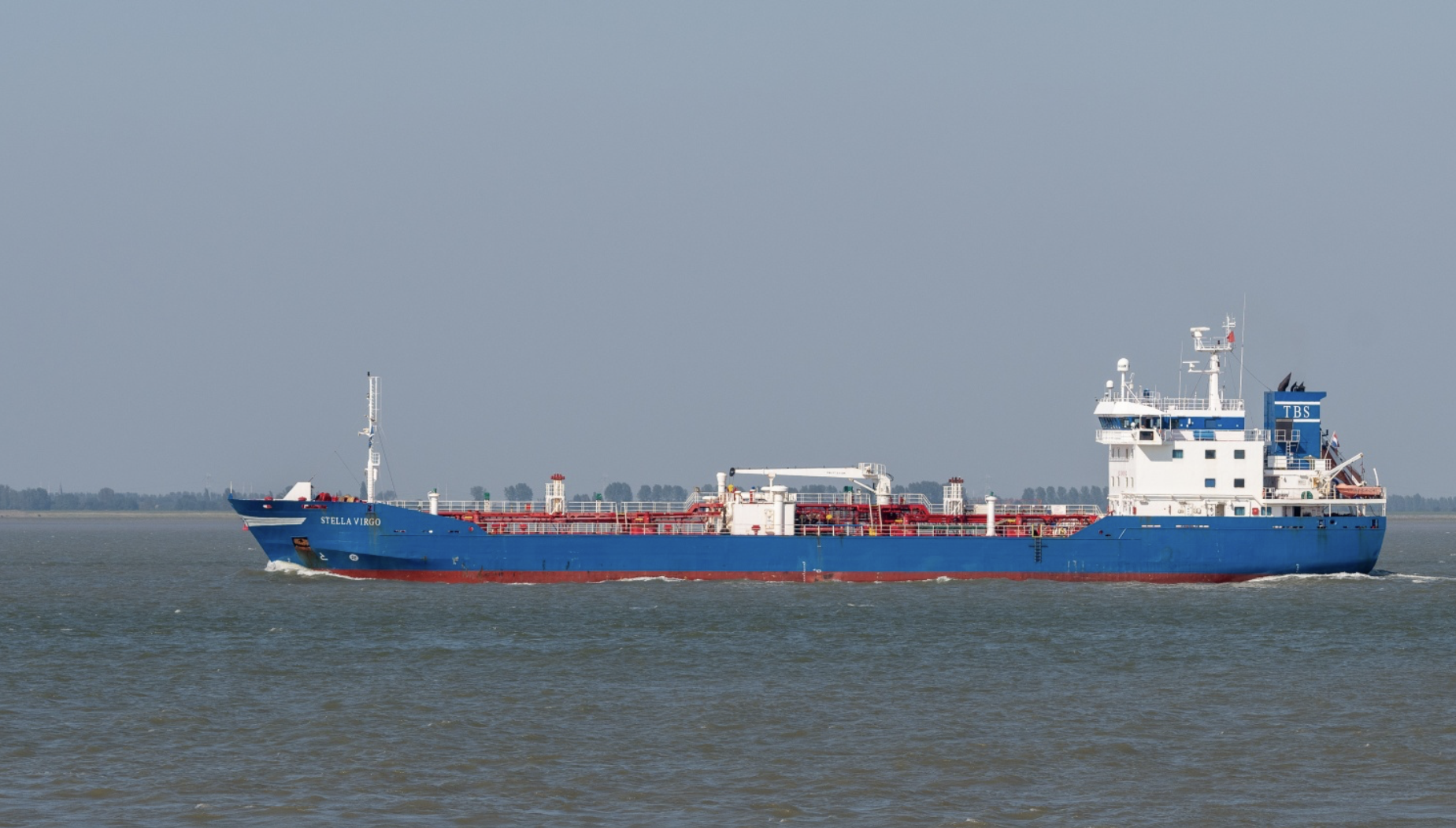
If you have ever filled up your truck in Anchorage, bought diapers in Juneau, or shipped salmon to Seattle, you have already paid the Jones Act tax. This is far more important than any talk of fictional carbon taxes. This is happening now. It does not appear on your receipt, but it is embedded in every gallon of fuel, every box of supplies, and every container that reaches our shores.
This hidden tax began in 1920, before Alaska was even a state, when powerful maritime unions and shipping companies from Washington state convinced Congress to pass a law that locked out competition. More than a century later, Alaska families are still paying for it.

The Jones Act requires that any ship transporting goods between two U.S. ports must be built in America, owned by Americans, and crewed by mostly American citizens. It was sold as patriotic protection for American labor and industry, but in practice it has done the opposite. Because of this law, shipping to Alaska costs two to three times more than to foreign ports such as Canada or Korea. Those inflated costs are passed directly to the consumer. Every household in Alaska pays more than a thousand dollars each year in higher prices simply to sustain this outdated system.
At the root of it all, as usual, were the unions. In the early twentieth century, maritime unions saw foreign crews working for lower wages and operating more efficiently. Instead of improving their own competitiveness, they lobbied Congress to ban foreign competition outright. The Jones Act was their success story, a law written not to protect national security but to protect their own monopolies.
More than a century later, those same unions defend it under the banner of “American jobs,” while the U.S. merchant fleet has shrunk by over forty percent since the 1980s. Only about five percent of ships built since 2000 are Jones Act ships, and many are more than forty years old. No new major shipyards have opened in decades. This is not job creation; it is stagnation. Has this really been a boon to the union worker?
For Alaska, that means dependence on just two companies, Matson and Tote, for nearly all ocean shipping. With no competition, shipping rates rise and innovation stops. The result is predictable: higher bills for families and businesses, and fewer choices for our economy.
Alaska was not a bystander in this story; we were the target. In 1920, Washington-state shipping companies and maritime unions pushed the Jones Act through Congress specifically to eliminate competition from Canadian carriers who served Alaska more efficiently. They succeeded, and we have been paying the price ever since. Ninety percent of what Alaskans use arrives by ship, and this law multiplies the cost of every voyage, from groceries to heating fuel.
Supporters often claim the Jones Act protects national security. Yet in a real emergency, our nation could not even move its own energy. There are no U.S.-built liquefied natural gas ships anywhere in the world. That fact alone should alarm every policymaker. Because the Jones Act requires ships to be U.S.-built, Alaska cannot export or even transport our own LNG between domestic ports under the law. We have abundant natural gas on the North Slope, but no legal way to move it to American markets. Meanwhile, Russian and Chinese ice-capable LNG tankers transit the Arctic every day, freely moving the very product Alaska is barred from shipping. The Jones Act has trapped Alaskan resources, blocked private investment, and forced us to rely on foreign-built vessels just to keep the lights on. That is not security; that is self-sabotage.
The Department of Defense has repeatedly asked Congress for Jones Act waivers during crises, proving that this law weakens readiness rather than strengthens it. In 2017, even a temporary ten-day waiver revealed how much faster and cheaper critical supplies could move. But unions blocked permanent reform because their political power mattered more than your grocery bill or your heating cost.
Alaskans have opposed this law before. In 1984, we voted overwhelmingly to repeal it, but Congress ignored us. Now, momentum is building again. Bipartisan legislation, the Noncontiguous Shipping Relief Act, would finally exempt Alaska, Hawaii, and Puerto Rico from the Jones Act’s restrictions. Economists estimate that repeal could cut shipping costs by half, add one hundred thirty-five billion dollars to the U.S. economy, and create real, lasting jobs in trade, energy, and logistics.
Repeal would restore competition and choice. It would allow modern, efficient, foreign-built ships to serve Alaska, lowering costs and spurring innovation. It would allow the free flow of natural gas, fuel, and goods between Alaska and other U.S. ports. It would finally end a century of economic punishment imposed by unions and their allies for their own benefit

For over a hundred years, organized labor in the maritime industry has used the Jones Act to hold Alaska hostage, enriching a few while punishing many. It has shielded inefficiency, prevented modernization, and guaranteed profits for monopolies at the expense of every working Alaskan including union members. The law’s defenders speak of patriotism and American jobs, but their real motive is political control and self-preservation, and even that has failed them.
The truth is simple. Alaska does not need Washington, D.C., or maritime unions to decide who carries our freight or fuels our economy. We need fair competition, lower costs, and the freedom to trade with the world. The Jones Act stands in the way of all three.
Congress must have the courage to repeal or reform this failed protectionist policy and let Alaska finally trade freely again. Until that happens, the Jones Act remains a century-old tax on every Alaskan family, one imposed not by foreign powers but by the unions and politicians who claim to represent us.
If you want to help Alaska break free from this outdated law, contact our Congressional delegation and tell them to support the Noncontiguous Shipping Relief Act:
Sen. Lisa Murkowski: (202) 224-6665 | www.murkowski.senate.gov
Sen. Dan Sullivan: (202) 224-3004 | www.sullivan.senate.gov
Rep. Nick Begich: (202) 225-5765 | www.begich.house.gov
Let them know Alaskans are tired of paying for a century-old mistake.
Originally published on Substack: https://kevinjmccabe.substack.com/p/the-jones-act