

In April I wrote about the digital whirlpool of manufactured outrage surrounding major development projects. Alaskans know the pattern well. A project appears, outside pressure arrives almost immediately, emotions get amplified before facts are available, and public debate hardens long before the engineering reports are even read.
The harder question is who benefits from that pattern.
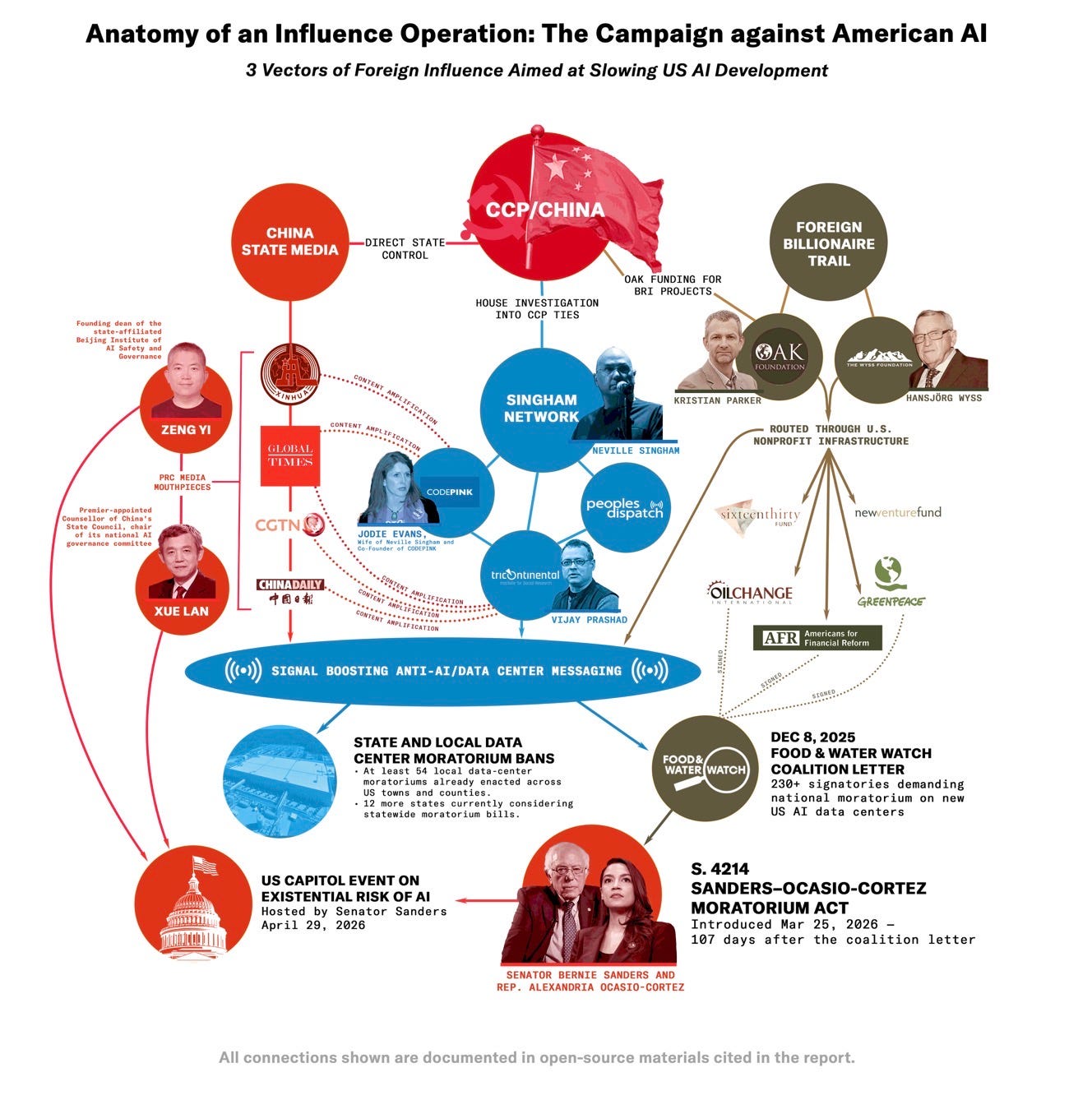
What is becoming abundantly clear is that the campaign against American and Alaskan data centers is not simply a domestic disagreement over electricity use or land development. It is part of a larger geopolitical competition where computing power and energy infrastructure are becoming the industrial foundation of national strength. China understands that reality far better than much of the United States does.
China is rapidly expanding data center capacity tied to artificial intelligence and high-performance computing. At the same time, it continues building coal-fired power plants at a pace unmatched anywhere in the world. Nearly all new coal construction globally last year occurred inside China.
Why? Because Beijing understands a basic engineering truth much of the Western political class still tries to avoid. Artificial intelligence requires enormous amounts of stable, around-the-clock electricity. Wind and solar alone cannot reliably power AI training clusters or large-scale computing infrastructure. China publicly promotes renewables while quietly backing them with conventional baseload generation.
Now compare that to the messaging increasingly aimed at Americans and especially Alaskans.
Chinese state-linked media outlets routinely criticize American data centers as environmentally destructive, harmful to water supplies, and dangerous to electrical grids while China simultaneously subsidizes and accelerates its own AI infrastructure buildout. According to the Bitcoin Policy Institute report, some Chinese AI operators receive energy subsidies covering up to half their electricity costs while state media pushes anti-data-center narratives into American political debates.
That asymmetry matters and Alaska is the new battlefield.
It resembles the same Cold War dynamic where adversaries worked to slow American industrial growth abroad while expanding their own capacity at home. The tactics change. The strategy does not.
This does not mean every person opposing a project is acting on behalf of a foreign government. Most are sincere people with legitimate local concerns. Water use matters. Transmission matters. Community impacts matter.

But modern influence campaigns do not require direct control over every participant. They work by amplifying existing concerns, funding organizations that shape narratives, and coordinating messaging across digital platforms before technical review and public process can catch up.
The local concerns are often real. The coordinated campaigns built around them usually are not.
Part of the problem is that America has spent twenty years teaching itself that building anything large is automatically suspect. Pipelines are suspect. Transmission lines are suspect. Mines are suspect. Power plants are suspect. At some point we started acting like the country was finished being built sometime around 1995.
China is building ports, rail systems, industrial corridors, power generation, and AI infrastructure at extraordinary speed while much of the United States struggles to permit a substation without years of litigation and organized opposition.
Artificial intelligence is physical infrastructure. It depends on turbines, transformers, fiber optics, cooling systems, pipelines, substations, and reliable baseload power. The country capable of building and powering that infrastructure will dominate the next generation of economic and military capability.
That is where Alaska enters the picture.
The proposals for power plants in the Mat-Su, and Data Center’s on the North Slope and in the Mat-Su, are not globally massive, but the significant rejection-reaction surrounding it follows a now-familiar pattern. Before technical reviews are complete, massive coordinated outrage campaigns appear online. National activist organizations amplify local stories almost instantly. Talking points spread faster than facts.
Alaskans have seen this before with oil, mining, drilling, roads, ports, and pipelines.
Some opposition is local and sincere. Some is ideological. Some is heavily financed from far outside the communities involved. The public deserves transparency about which is which.
Alaska has spent generations powering America, supplying America, and helping defend America. There is no reason we should now be talked out of helping build the next generation of strategic infrastructure.
This does not mean abandoning environmental standards or public oversight. Alaska understands responsible development better than most places because we have lived alongside resource industries for generations. But responsible development is not the same thing as permanent paralysis.
A nation that wants to lead in artificial intelligence must be capable of building power plants, transmission systems, and industrial infrastructure. If America cannot build projects like this in Alaska, where we have resources, land, and strategic advantages, eventually we will not build them anywhere.
And if we do not build them, someone else will.
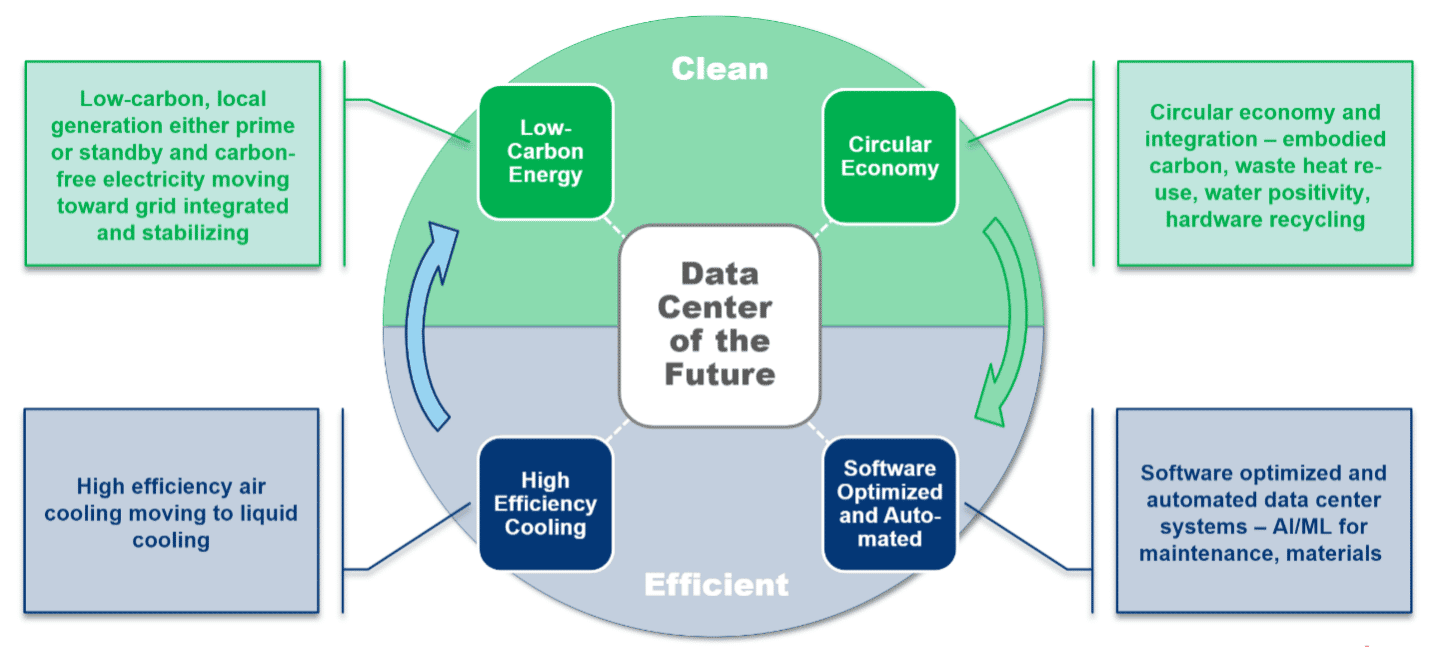
The first Cold War was fought with bombers, missiles, submarines, and proxy wars. This one runs through server farms, substations, transmission corridors, and industrial infrastructure. The competition is over computing power, industrial capacity, and technological dominance.
The outcome will not be decided in one dramatic moment. It will be decided gradually, through thousands of local decisions about whether America and Alaska still has the will to build what it needs.
Alaskans built this state by developing resources carefully and on our own terms. That mindset built modern Alaska. It is time we step further into the role that General Billy Mitchell envisioned when he said “I believe that, in the future, whoever holds Alaska will hold the world… I think it is the most important strategic place in the world.”
We should not abandon it now, especially when the loudest voices urging America not to build are often coming from countries aggressively building everything themselves.
We need to recognize the strategic reality in front of us.
And we need to build. In Alaska. Now.
Sources
Bitcoin Policy Institute, “Foreign Influence in the Campaign against American AI” — https://www.btcpolicy.org/articles/foreign-influence-in-the-campaign-against-american-ai
Fox News, “Report: Chinese propaganda, Singham network, foreign dark money linked to campaigns against data centers” — https://www.foxnews.com/us/report-chinese-propaganda-singham-network-foreign-dark-money-linked-campaigns-data-centers
Fox News, “Top energy group warns wealthy foreigners are potentially bankrolling anti-data center campaigns across US” — https://www.foxnews.com/politics/top-energy-group-warns-wealthy-foreigners-potentially-bankrolling-anti-data-center-campaigns-across-us
Fox News, “Power the Future sends letter to lawmakers over data” — https://www.foxnews.com/politics/power-future-sends-letter-lawmakers-data
Power the Future (advocacy group homepage) — https://powerthefuture.com