


For the last several years, I have been one of the legislators saying no to reopening Alaska’s old defined-benefit pension. And I have often explained why I believe putting Alaska back into that system would be a mistake. My position has never been about opposing public employees. It is not about teachers, troopers, firefighters, or the many Alaskans who give their careers to public service. It is not even about whether a great retirement will help retain them. It is about learning from experience and refusing to repeat a mistake we are still paying for while providing a better retirement system that employees care about.
The old system left Alaska with roughly $7 billion in unfunded liability, about $46,000 for every Alaskan. That debt did not disappear when the plan was closed. It sits on the books, and the budget makes payments on it every year.
Every dollar that goes toward yesterday’s pension promises is a dollar that cannot go toward public safety, education, or transportation today.
When that liability was building, we were told the assumptions were sound and that returns would carry the system. But markets do not behave on command, and when the gap showed up, the obligation did not go away. It was carried forward into future budgets, where it still sits today.
We have already run that experiment once. That is the core reason I have opposed reopening the old plan: I don’t believe it’s responsible to rebuild a structure that depends on optimistic assumptions and then shifts the cost of failure onto future Legislatures, or our children, when those assumptions do not hold.
But a legislator who only ever says no eventually owes people a yes.
A yes, but…
So if I am going to vote against the union’s plan, I had better be able to tell a trooper, a teacher, and a DOT operator what I am for.
I believe Alaska should look closely at a system that has actually worked: Wisconsin. Wisconsin runs about $153 billion in its retirement system and is one of the only states in the country that is consistently, fully funded. It stayed solvent through Black Monday in 1987, the dot-com bust, and the crash of 2008 without piling up the unfunded liabilities that have plagued so many other states.
Alaska, with all our oil wealth, cannot say that. Wisconsin can.
The reason is not complexity. It is structure, built on one rule we never had: the benefit flexes with the market, so the budget never has to.
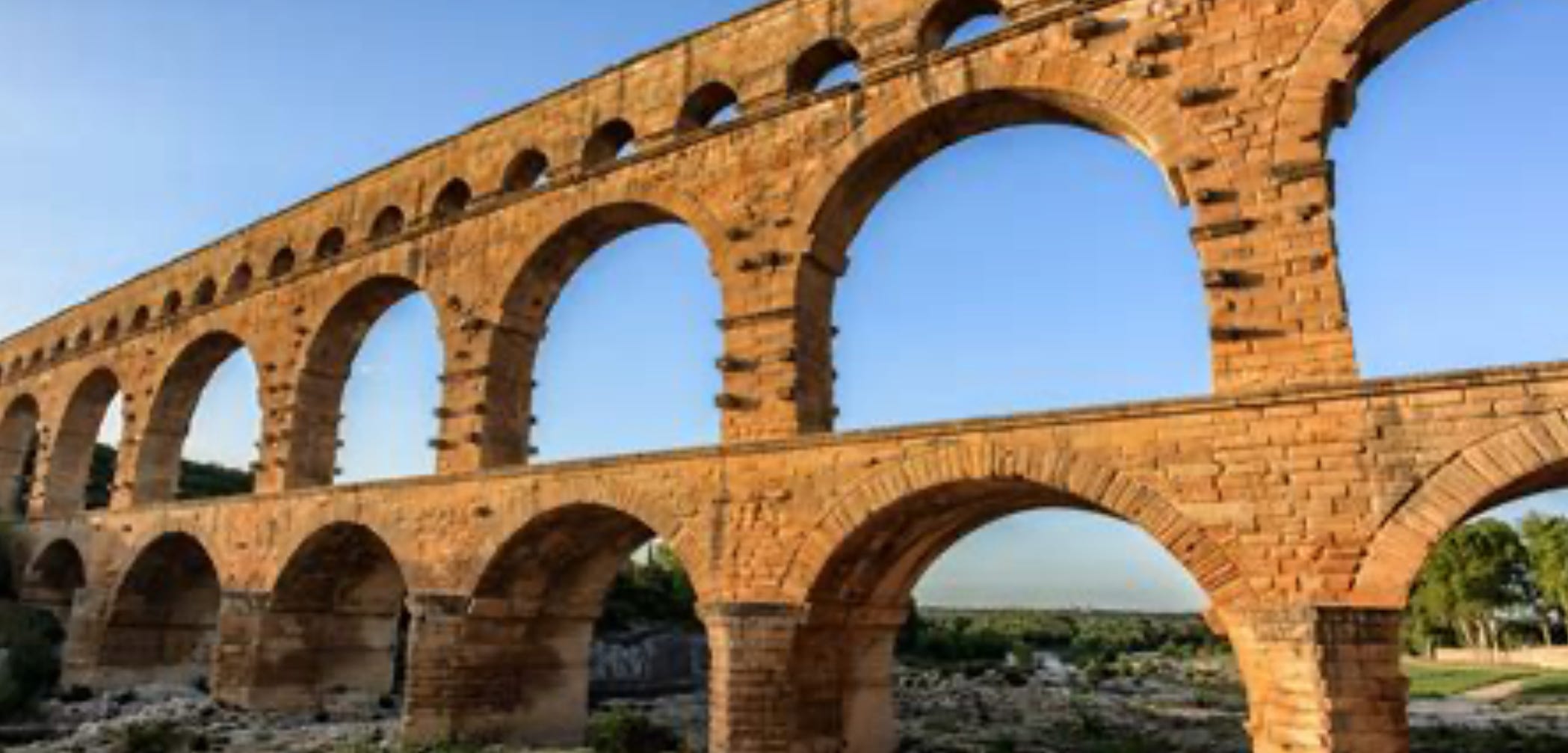
Here is my idea. Workers and the state each pay a fixed amount, set in law, into one professionally managed fund. When a worker retires, the fund pays a lifetime check, a stable base amount plus a variable portion on top. When markets do well, retirees share in the gains. When markets fall short, the variable portion adjusts until conditions recover. The base check continues for life, and the fund stays solvent. Nobody calls Juneau asking for a bailout, because the adjustment happens inside the system instead of being pushed out into the state budget. That is the part the old pension never had.
That is the foundation of what I would call Alaska Secure Retirement. New hires would be in it from day one, and current defined-contribution workers could choose to roll their balances in at fair value. What they have earned stays theirs. Here is what it would mean for the people in it.
One professionally managed fund, not 49,000 lonely 401(k)s. Today our defined-contribution workers are each on their own, picking funds, paying retail fees, and carrying every ounce of market risk by themselves. Several teachers have told me flat out that nothing motivates them to stay, because their retirement is a roll of the dice and does not offset the hard realities of the job, such as poor student behavior and the daily grind of the classroom. Pooled, institutional management means lower fees, better diversification, and real accountability. That is a better deal for the worker, not a worse one.
A check that lasts as long as you do. The one thing a 401(k) cannot promise is that the money will not run out. A pooled lifetime annuity can. That is the security public employees actually want, and this delivers it without a state guarantee behind it.
Real recognition for public safety. A law enforcement officer or first responder’s job is different. The danger is higher and the careers are often shorter. Public safety would get an enhanced benefit and the ability to start drawing earlier, funded honestly with a higher contribution rate from the start, and still living under the same rule as everyone else: the benefit flexes, and the budget never backstops the market. More generous, same discipline.
And the choice to grow your own dividend into your retirement. A state worker could choose, voluntarily, to put some or all of their own Permanent Fund Dividend into their own retirement account each year. It is their money, in their named account, invested alongside the professional fund so it earns those institutional returns instead of sitting idle. The state would match a small portion of it, vesting the longer they stay, turning a dividend into a matched, compounding, lifetime benefit. It is an option, never a nudge. Plenty of families need that check for heating oil and groceries, and that is exactly what it is for. But for the worker who wants to build something with it, the door should be open.
No plan removes risk entirely; the question is where the risk sits when conditions change. Under the old model, it flowed back to the budget. Under this one, it is shared through the retirement benefit itself. In a weak stretch the variable portion may grow slowly or dip until markets recover. That is transparent, predictable, and contained.
A temporary adjustment in payments is something a system can absorb. A multi-billion-dollar unfunded liability competing with troopers and schools is not.
This plan does not add a single dollar to the $7 billion the old system already cost us, and unlike that system, it can never dig a new hole. We can argue about how fast to pay down the old debt. We should stop arguing about whether to start a second one.
So to every union leader, every teacher, every trooper, and every colleague who has asked what I would do instead of the old pension: this is it. Lifetime income, professional management, real help for public safety, and the choice to grow your own dividend into your retirement. A hard line, in law, that the state pays what it promised to put in, never what the market failed to deliver.
I said no to the old pension.