

I was at a meeting the other day where the discussion turned to Alaska projects involving carbon sequestration, and I have to admit I was a little surprised by the nature of one particular objection. Now it is “safety concerns” about HB 50 and underground carbon storage.
An oil industry project manager warned lawmakers and the public about the dangers of underground CO2 injection. The concerns were framed in technical language and, on the surface, sounded serious enough.
What if CO2 migrates through geologic faults?
What if it dissolves into groundwater and forms carbonic acid?
What if that process mobilizes arsenic or other metals from surrounding rock?
Is the state going to be left holding the bag for clean-up?
Those are legitimate geochemical questions, and it’s foolish to wave them away or pretend they do not have merit or deserve answers. But I am also going to point out what was missing from that line of argument.
None of this is new.
After doing much research, I found out that these risks have been studied for years. In fact, they were among the first questions regulators and researchers asked when carbon sequestration moved from theory toward real-world deployment. That is exactly why the regulatory structure looks the way it does.
The Safe Drinking Water Act already prohibits injection anywhere near usable drinking water. Site selection standards, pressure modeling, geologic characterization, monitoring requirements, and long-term containment analysis all exist because these risks were identified early and studied seriously. Keep in mind that CCUS injection occurs a minimum of 2800 feet below the surface and the CO2 is in a semi liquid state due to pressures at that level. And it is supposed to be done in a geologic formation that has a natural “cap” to help retain the slurry. That does not mean there is zero risk, because nothing in the real world comes with zero risk. It means the risk is known, measurable, and manageable when projects are properly sited and properly regulated.
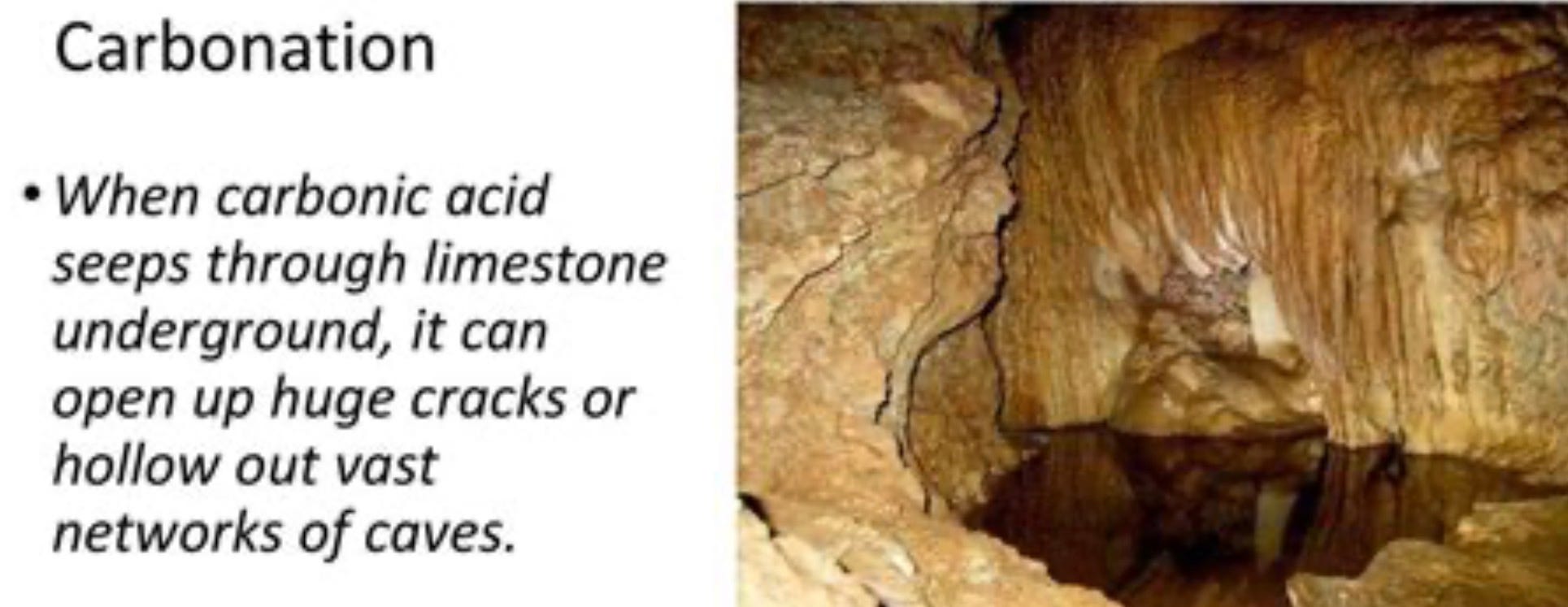
My research shows that while metal mobilization can occur under certain geochemical conditions, concentrations generally remain below federal drinking water limits unless you are already dealing with naturally mineralized formations. In plain English, every site has to be evaluated carefully. That is a reason to regulate well, not a reason to pretend the technology itself is impossible.
And that brings us to the question that should have been asked immediately in that meeting: compared to what?
Because if we are going to sit through a safety lecture from oil and gas industry people, then we ought to be honest about the record of the industry delivering it. Piper Alpha killed 167 people in 1988. Deepwater Horizon killed 11 and released millions of barrels of oil into the Gulf of Mexico. The Ixtoc blowout in 1979 spilled for nearly ten months. Federal agencies respond to oil and chemical spills in U.S. waters every single year as a matter of routine. Not once in a generation, not once every ten years, every year. That’s not an argument against oil and gas. I support responsible oil and gas development, and I always will. But it is an argument against suddenly pretending risk only matters when somebody else is trying to build something or develop an industry.
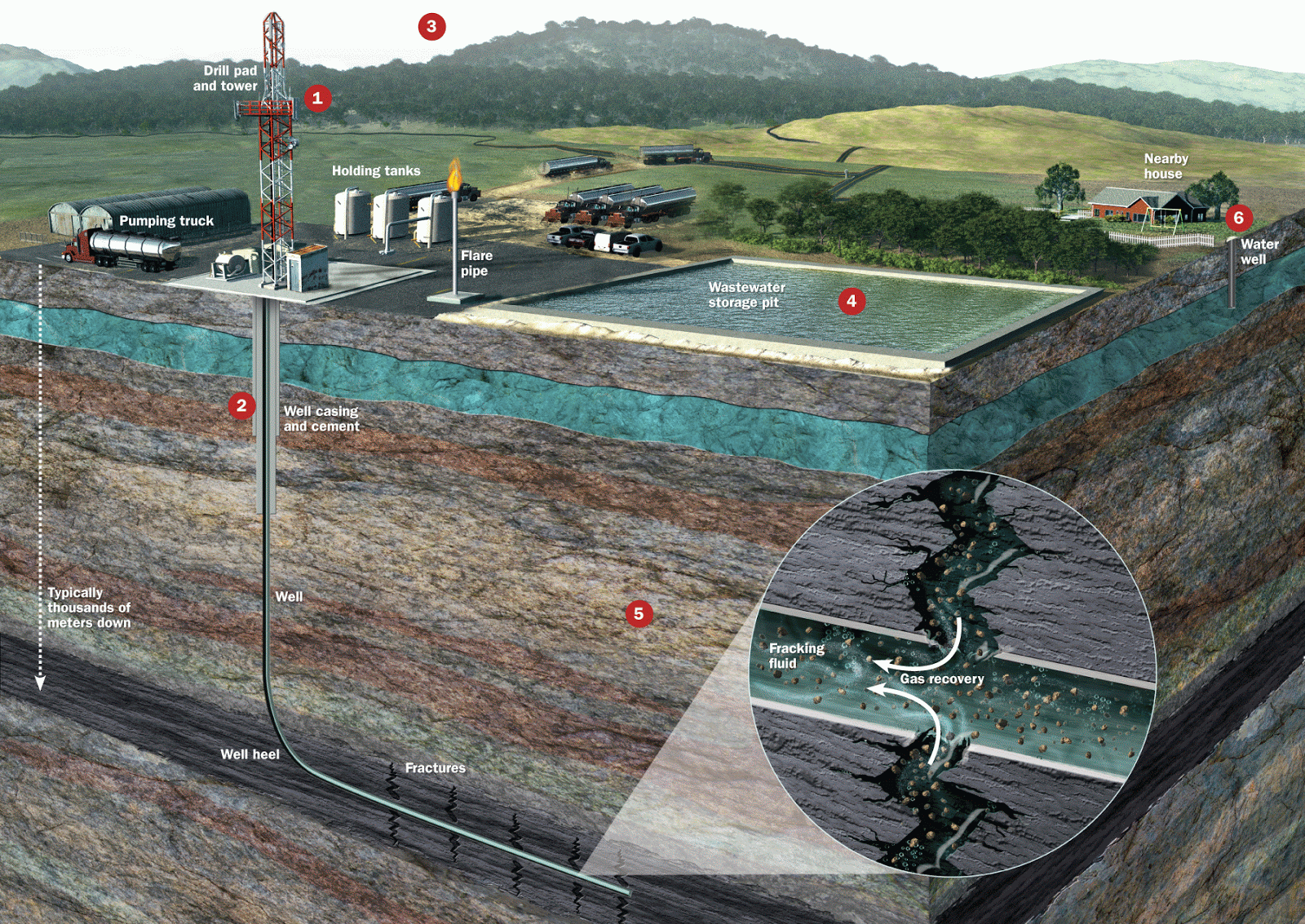
Here is the part we did not say out loud: the oil and gas industry already injects fluids underground at massive scale all over this country. Produced water disposal through Class II wells is not rare, and it is not experimental. It is standard industry practice. Those fluids can contain hydrocarbons, salts, metals, naturally occurring radioactive materials, and other contaminants that nobody seems especially interested in dramatizing when it serves an existing industry or business model. But now carbon is supposed to be the uniquely frightening one? Forgive me if I am not especially moved by warnings, from people who should know better, that underground injection is simply too dangerous to contemplate.
That is not serious analysis. It is selective concern.
There is an old saying that the safest airplane is the one that never leaves the ground. Technically, that is true. It is also completely useless. By that standard, Alaska never would have built the Trans-Alaska Pipeline. The real question is not whether a technology can fail, because every technology can fail and every industrial process carries risk. The real question is whether the risks are understood, whether they compare reasonably to the alternatives, and whether the state is putting the right rules in place before the industry scales up.
That is exactly what HB 50, and the push for Class VI well primacy, was about. It was not a blank check for carbon storage companies, and it was certainly not a carbon tax on the populace. It was also not an endorsement of climate ideology, nor surrender to Washington. It was a framework designed to require site evaluation, define liability, establish oversight, and create standards before this activity expands in Alaska. That is not me being a carbon control advocate, that is just called doing the job. The oil industry itself operates under exactly that kind of framework for the underground injection it already does every day.
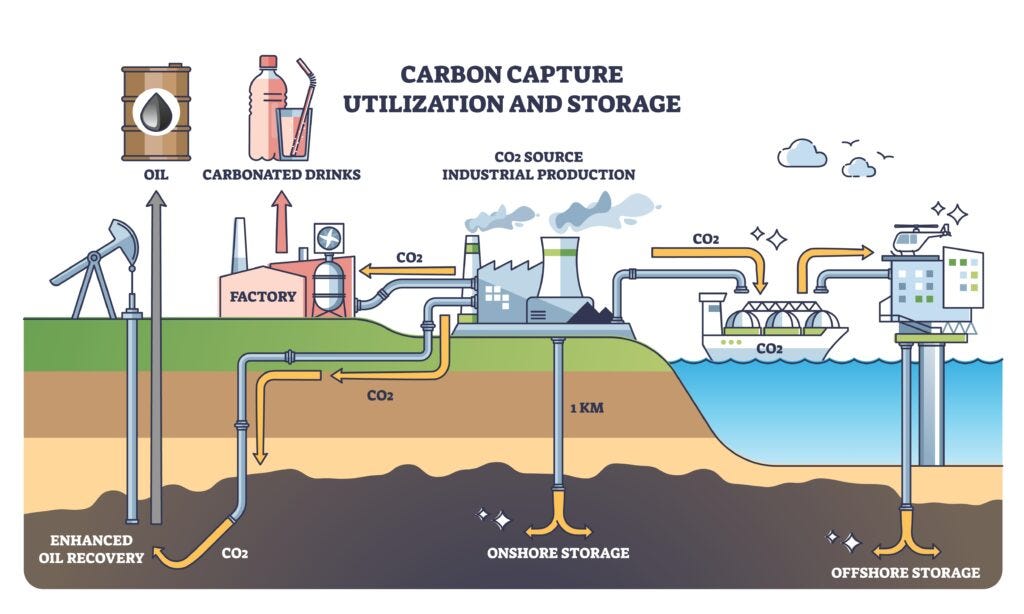
Carbon capture and underground storage are still developing technologies, and yes, some projects have underperformed or run into operational problems. A few high-profile projects in Norway and Australia have had issues, and that deserves scrutiny and accountability. But we should also keep our feet on the ground. Most of the CCUS failures we have seen so far involve economics, underperformance, and project execution, not the kind of catastrophic human or environmental consequences the oil and gas industry itself has produced over the last hundred years.
I will keep fighting the climate cult ideology and I will keep pushing back on ESG coercion. I will keep opposing any attempt to use carbon policy as a backdoor excuse for more centralized control over energy and industry. But I will also oppose the unreasonable fear of CCUS from blocking of developing industries in Alaska. I am not going to let Alaska walk away from a major economic opportunities because people from an industry with a long record of spills, underground disposal, and fatal accidents suddenly want to act like the state’s safety conscience.
People who live in glass houses ought to be careful about throwing stones.