


Doctors take an oath to first do no harm. I’ve often thought politicians ought to take the same oath. In Alaska, it might be the most useful thing some of them ever do.
Michael W. Smith recently made the point that government needs to get out of the way of people who actually produce things. I agree. Government can’t pass a law that creates prosperity, but it does pass plenty that destroy it. Alaska is living proof. We have more natural resources than most places on earth, yet we seem determined to make them as difficult and expensive as possible to develop. And those who oppose development always seem to find a government agency or bureaucrat willing to help them stop it with a bill, a study, or a permit.
Living in Alaska isn’t cheap. Anyone who has bought groceries in a village or paid a heating bill in Fairbanks knows that. Politicians talk endlessly about affordability, but talk doesn’t put groceries on the table or fuel in the tank. Producing more of what we need, right here in Alaska, just might.
It’s basic economics. More supply generally means lower prices. Less supply means higher prices. Supply and demand doesn’t care whether you’re a Republican or a Democrat. The math always wins.
We import almost everything we use. Food, fuel, building materials and equipment. Every mile those goods travel adds to the price, and much of the money we spend leaves Alaska to pay somebody else’s workers and support somebody else’s economy. Then we wonder why our own economy struggles.
We won’t fix that with more government checks or price controls. We fix it by producing more of what we need ourselves.
That starts with affordable, reliable energy: power that makes it possible to grow food year-round, process more Alaska fish here at home, and attract businesses that can afford to operate. Roads and ports make it cheaper to move things. Mining, fishing, farming, tourism and aviation help build an economy that doesn’t rise and fall with the price of oil.
But we have to let people build things. We cannot continue to put roadblocks in the way of every single project that looks like it has any hope of success.
Look at the West Susitna Access Road and the mining opportunities it could open. Or the Ambler Road, where federal permits have been issued, pulled back and issued again. Port MacKenzie has waited years to become what it was built to be. We spent decades studying Susitna-Watana, a project that could have provided thousands of construction jobs and reliable power for the Railbelt. Lower energy costs could have opened the door to refineries, greenhouses and other businesses that produce what Alaskans need. Instead, we put it on a shelf.
Every time we delay one of these projects, Alaskans pay twice. We lose the jobs and economic activity, then keep paying higher prices because the infrastructure never gets built.
The Alaska gasline might be the best example. We’ve talked about getting North Slope gas to Alaskans for more than four decades. We held nearly 50 hearings this year alone, and too many questions seemed aimed at stopping the project rather than getting it built. Meanwhile, Southcentral faces a real gas shortage and families are looking at higher heating bills while we in Juneau just keep arguing. Of course some tough questions deserve answers, but four decades and dozens of hearings is long enough to ask them.
Sometimes government does harm by passing a bad law. Other times it does just as much harm by refusing to make a decision.
Look at Pikka. Once the permits were in place and companies were allowed to do their jobs, they invested their money, hired workers and started producing oil. Government didn’t drill those wells. The people willing to take the risk did.
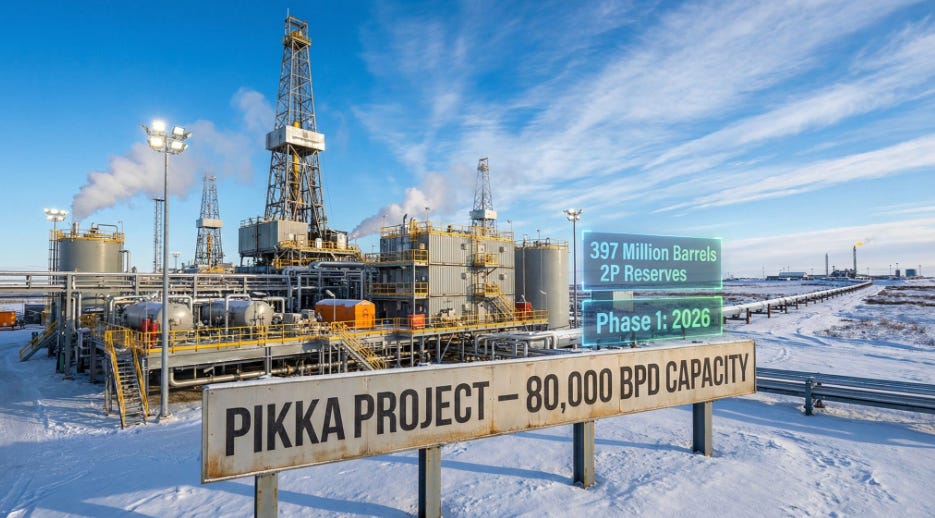
That doesn’t mean throwing environmental protections out the window. Alaska’s land, fish and wildlife are worth protecting. Our constitution demands it, and Alaskans have been doing it for generations. You should see the protections for the environment that Santos has in place at Pikka. There is no substitute for good environmental stewardship. We can protect salmon and still build roads. We can develop minerals and still protect the land. We’ve done both before, and frankly, Alaskans are a whole lot better at taking care of Alaska than people in Washington who have never set foot here.
I didn’t come to Alaska more than 40 years ago because I wanted to live somewhere that needed government permission for everything. I came because Alaska was a place where people could work hard, take a chance and build something. I still believe that’s what most Alaskans want.
Government has a job. Build and maintain basic infrastructure, protect public safety, manage our resources responsibly and make sure everyone plays by the same rules. We need a government that remembers who works for whom.
There’s an old saying: lead, follow or get out of the way. On roads, ports and power, government should lead. On private business, it should step aside. Too often Juneau does the opposite.
Alaskans know how to build things. We know how to work in tough country and solve problems that would stop people in other states cold. What we don’t need is another layer of government standing between us and the opportunity to do it.
First, do no harm.
That would be a pretty good place for Juneau to start.