

No one in the Matanuska-Susitna Borough relishes the idea of a new tax. Yet with over 1,100 miles of roads to maintain and a growing population adding more each year, the question facing our community is straightforward: how do we fund our roads in a way that is fair, sustainable, and responsive to the needs of Mat-Su residents?
The Mat-Su Borough Assembly’s Ordinance 25-076 proposes a 7-cent-per-gallon fuel tax on gasoline and diesel sold at local pumps, scheduled for an advisory vote in November 2025. To make an informed decision, voters must weigh the facts objectively, considering both the benefits and the concerns surrounding this proposal.

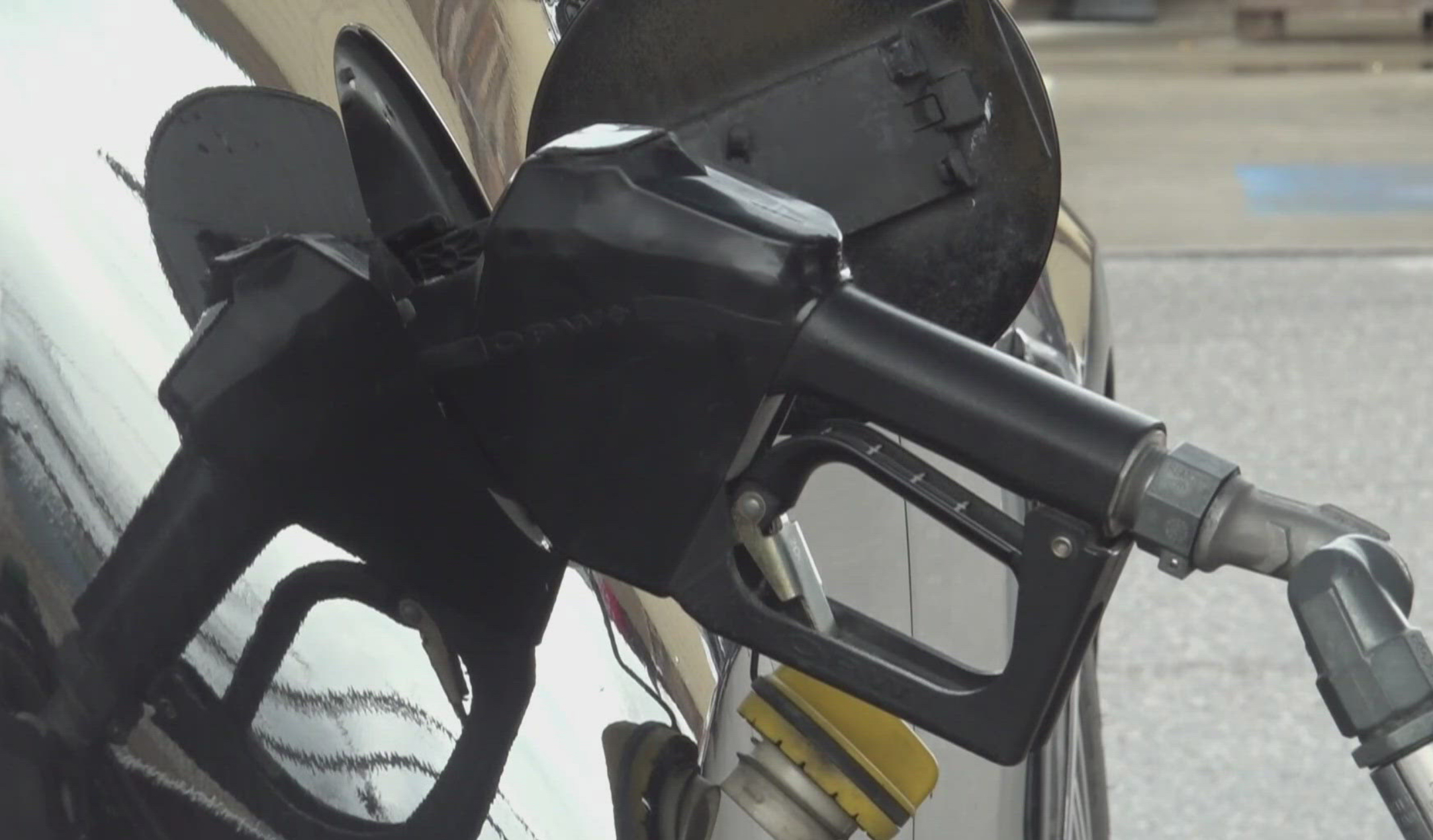
Alaska currently levies a state motor fuel tax of 8 cents per gallon, the second lowest in the nation. Mat-Su has no local fuel tax, making it one of the few boroughs without such a measure. If Ordinance 25-076 is approved, the total fuel tax for gasoline and diesel purchased in Mat-Su would rise to 15 cents per gallon starting January 1, 2026 which is well below the national average of 32 cents per gallon.
The tax applies only to motor fuel used for road vehicles. It exempts aviation fuel, marine fuel, and diesel for non-roadway uses such as heavy equipment or home heating. Borough officials estimate that the average driver, consuming about 412 gallons annually, would pay an additional $28.81 per year. By contrast, raising the same revenue through property taxes would cost the average homeowner approximately $130 per year; a significant difference for Mat-Su families.
Property owners currently shoulder nearly the entire burden of road funding through property taxes, an unfair system as road usage grows. The 2024 areawide mill rate stands at 8.748, or $874.80 per $100,000 of assessed property value, with 0.521 mills dedicated to non-school debt, including road bonds. Residents outside the cities of Palmer, Wasilla, and Houston also pay a non-areawide mill rate of 0.38 mills, or $38 per $100,000. This means Mat-Su homeowners fully subsidize the maintenance and construction of roads used not only by residents but also by a growing stream of visitors, tourists, and Anchorage commuters traveling through our borough to reach recreational areas or points North or East.
The proposed fuel tax would generate an estimated $5 million annually by spreading costs to everyone who fills up at Mat-Su gas stations, creating a more equitable model where road users contribute to upkeep. This shift could alleviate pressure on property taxes, which many residents already find burdensome.
The need for this tax stems, in part, from the state legislature’s reluctance to adequately fund Mat-Su’s transportation infrastructure. While significant road projects are regularly allocated to Fairbanks, Anchorage, Juneau, and rural communities, Mat-Su, Alaska’s fastest-growing region, often receives less support. This funding gap forces the borough to rely heavily on bonds to maintain and expand its road network.
Since 2020, Mat-Su residents have approved three bond packages, including $33.3 million in 2024 for seven critical road projects. These bonds, while necessary, come at a steep cost, requiring repayment through property taxes that strain household budgets.
The financial outlook is concerning. Borough projections indicate that by 2030, debt service on these bonds could consume 2 mills of the property tax, or $200 per $100,000 of assessed value, nearly quadrupling the current debt portion of 0.521 mills. Without state support or a new funding mechanism, property taxes will continue to rise to keep roads from deteriorating, placing an unsustainable burden on homeowners.

The proposed fuel tax offers a solution by generating steady revenue to fund road maintenance and construction, reducing the need for additional bonds and stabilizing mill rates. However, state law prohibits dedicating fuel tax revenue to a specific purpose, meaning the Borough Assembly has discretion over how the $5 million is spent. This could include priorities beyond roads.
Public hearings, including the July 15, 2025, session, revealed significant resident concerns about the tax’s impact on working families in a borough where driving is a necessity, not a choice. With no reliable public transportation, Mat-Su residents rely on vehicles for work, school, medical appointments, and daily errands. Critics also worry about government mismanagement, fearing that the revenue might not prioritize roads as promised.
These are valid concerns, particularly for low- and middle-income households already stretched by rising costs. To address these issues, the ordinance includes a sunset clause under Section 3.80.280, stating that the tax will expire on June 30, 2027, unless the Assembly votes to renew it. This provision offers two layers of protection: the November 2025 advisory vote allows residents to weigh in before the tax takes effect, and the 2027 expiration ensures the Assembly must justify its continuation. If voters believe the funds are misused or the tax fails to deliver results, they can pressure the Assembly through public advocacy, community forums, or elections to let the tax lapse. This mechanism promotes transparency and accountability, aligning with the principles of responsive local governance.
The choice before Mat-Su voters is clear: continue placing the full weight of road funding on property owners, watching mill rates climb while non-residents drive for free; or adopt a modest fuel tax that impacts MatSu resident but also shares costs with commuters and visitors. Few welcome higher taxes but passing massive debt onto future generations through rising property taxes is no better solution. Perhaps we should be more thoughtful when we vote for bonds.
For context, the 7-cent tax would add about 42 cents to a 6-gallon use (at 20MPG) for a typical Wasilla-to-Talkeetna round trip. This is a small cost compared to the potential property tax increases just to service our bond debt.
In November 2025, Mat-Su residents will have the chance to make their voices heard. If the tax passes, it must be monitored closely to ensure the Assembly prioritizes roads. If it fails to deliver, voters should advocate to let it expire in 2027. The decision rests with the community to weigh the facts, think critically, and choose a path that ensures fairness, sustainability, and strong roads for our families and future generations.
Originally published on Substack: https://kevinjmccabe.substack.com/p/does-matsu-need-a-gas-tax