

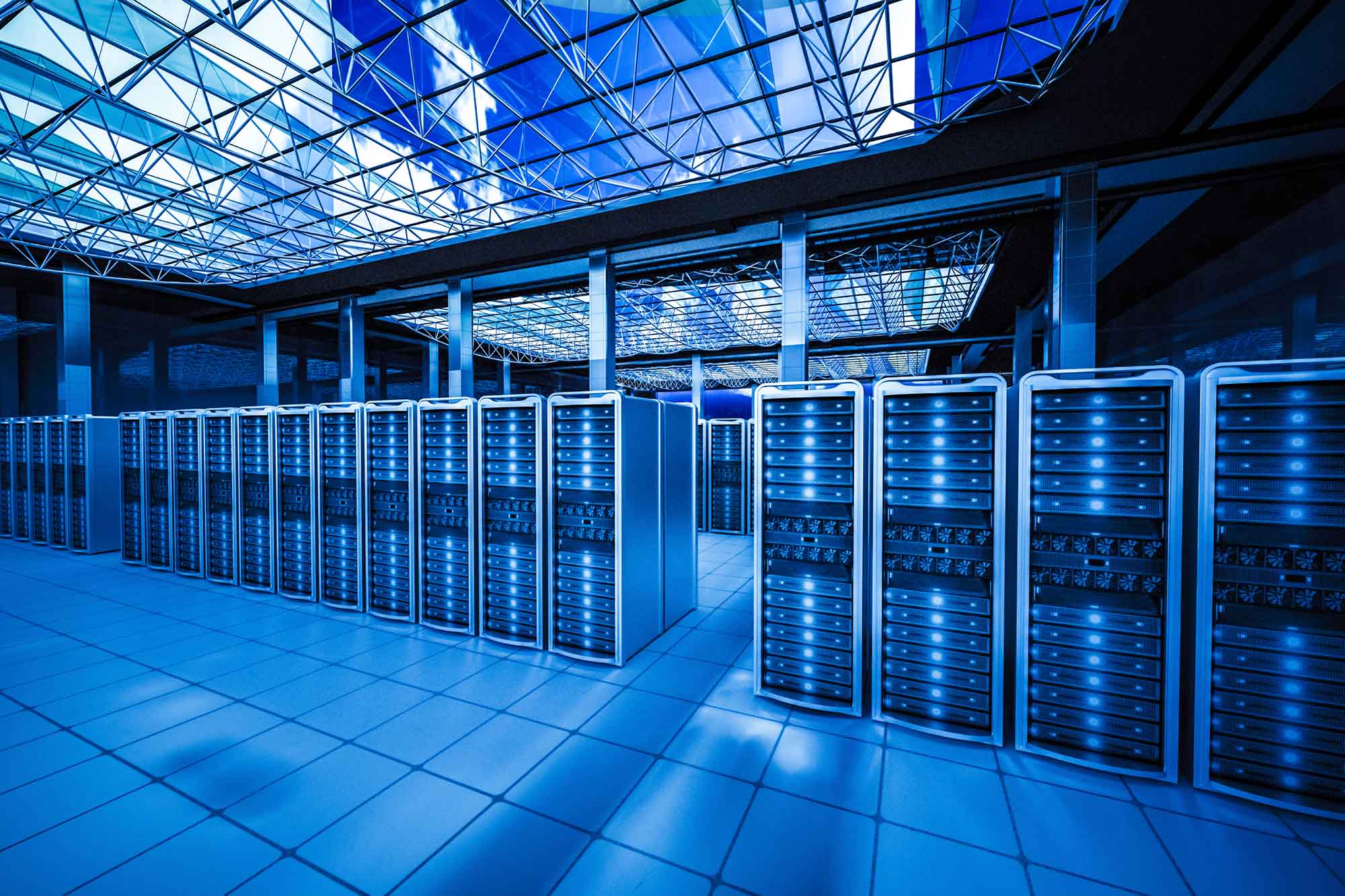
A data center is simply a large building filled with servers and computing equipment that store and process the digital information we rely on every day. Alaska already has a few of them. Streaming video, financial transactions, cloud storage, artificial intelligence, and government services all run through facilities like these. With AI, demand for computing power is growing quickly, and states across the country are competing to attract these projects.
Alaska should be part of that conversation. Locations like Point MacKenzie in the Matanuska Susitna Borough are well suited for this type of development. We have cold temperatures, available industrial land, and room to grow. Like any large industrial project, data centers come with both opportunities and challenges, and it is worth looking honestly at both.
The opportunity is straightforward. Data centers create real economic activity. Construction alone can support hundreds of skilled trade jobs for electricians, heavy equipment operators, welders, and carpenters. Once operating, facilities require engineers, technicians, security staff, and maintenance crews.

Point MacKenzie already has thousands of acres designated for industrial development near Port MacKenzie. That land was set aside precisely for projects like this. A data center there could take advantage of existing infrastructure while creating long term employment in the Mat Su.
There is also a fiscal benefit. Data centers represent major capital investment. Property taxes from facilities of that scale can help support local services such as roads, emergency response, and schools without placing additional burden on existing residents. Projects like these also tend to bring supporting infrastructure, including upgraded electrical transmission and improved telecommunications capacity that benefit the entire region.
There is a broader strategic value as well. Alaska is a geographically large state with many remote communities. Stronger digital infrastructure improves everything from business operations to telemedicine access in rural areas.
That said, data centers are not without concerns.
The largest issue is electricity demand. A single large facility can require hundreds of megawatts of power, comparable to the consumption of a small city. Southcentral Alaska is already facing long term natural gas supply questions, so any large new power user requires careful planning.
Water use is another issue that often comes up. In many parts of the country, data centers rely on evaporative cooling towers to remove heat from servers. Those systems can consume large volumes of water, particularly in hot and dry regions.
Alaska has a natural advantage here. Our climate significantly reduces the need for water intensive cooling systems. In cold environments, facilities can rely on outside air to cool equipment, a process known as free air cooling. In many cases that can reduce water use dramatically or eliminate it entirely.
New technologies are also improving efficiency. Some facilities now use closed loop liquid cooling or immersion cooling systems that require little or no evaporative water. With Alaska’s temperatures, many operators would likely choose those options.

Even if evaporative cooling towers were used, the water related environmental considerations would not be new to Alaska. Similar systems already operate at power plants, including the Chugach Electric generation facility near the Glenn Highway in Anchorage. Those towers release visible steam as water evaporates, and the remaining concentrated water is treated and managed under existing environmental regulations before discharge. A data center cooling system would operate in essentially the same way.
There is also an important energy opportunity tied to projects like this.
Large data centers require steady, reliable electricity twenty-four hours a day. That kind of demand can serve as an anchor customer for new generation. In the western Mat Su, there is a proposed coal fired power plant and mine west of Skwentna that would include modern carbon capture technology.
With our limited population, projects of that scale require long term customers to justify construction. Without a large industrial user, the financial burden of new generation infrastructure would fall primarily on existing Railbelt utilities and ratepayers. Not good.
A data center could change that equation. By purchasing large amounts of power under long term contracts, it could provide the steady demand needed to support new generation while spreading fixed infrastructure costs across more electricity sales. When large industrial users carry part of those costs, the average price of power for residential and commercial customers can come down.
In simple terms, a major anchor customer helps stabilize the system and improve the economics of power generation for everyday ratepayers.
For Railbelt consumers who are already concerned about long term natural gas supply and rising energy costs, that kind of diversification deserves serious consideration.
None of this means projects should move forward without oversight. Large industrial facilities must meet environmental standards and be built and operated responsibly. Communities deserve a voice in how development occurs, and responsible permitting and careful planning are essential.
But Alaska has always grown by building great big things. Pipelines, ports, railroads, mines, and energy infrastructure created the economic foundation we rely on today. We do it better, safer, and with more concern for our environment than anyone else.
Data centers represent a modern version of that same opportunity. With the right location, proper oversight, and a clear understanding of the benefits and risks, Alaska can position itself to take advantage of a rapidly growing global industry.
Point MacKenzie is one place where that opportunity could realistically take shape. Perhaps instead of saying “no, because,” we should say “yes, but.”
Originally published on Substack: https://kevinjmccabe.substack.com/p/data-centers-in-alaska