

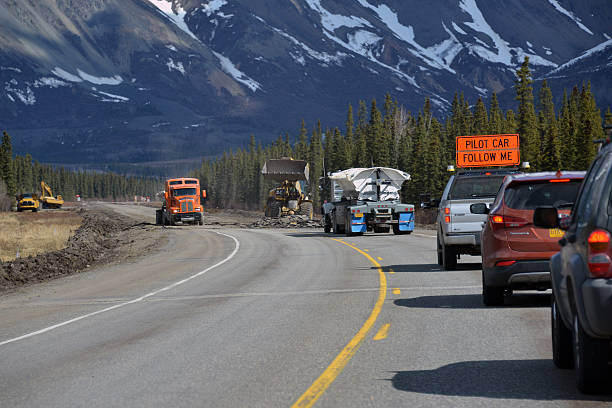
The Department of Transportation meet the match funding is important. About $70 million from the state can bring in between $600 million and $700 million in federal highway, aviation, and port money. That leverage works. Those projects create jobs all over Alaska and keep our infrastructure moving forward.
The fight over HB 289, the supplemental budget, was never about whether the transportation match is worth it. Nor was it the minority proving anyone else was wrong. Had the CBR draw been structured properly the needed votes would have been there. The real disagreement is how the Legislature was asked to pull money from the Constitutional Budget Reserve.
For years the CBR has been the backstop in our budgeting. We build the budget with the revenue we have. If a gap remains at the end, we draw from the CBR to close it. That is how it has always worked. It’s is how a CBR draw is always structured, using savings to make up the shortfall, not recapitalizing the entire general fund with our savings. The CBR comes in last, only after we know what the real shortfall is.
HB 289 tried to change that. It asked for a direct transfer of roughly $373 million from the CBR into the general fund right up front, before anyone knew how much unrestricted general fund revenue would actually be available. That turns the CBR from a reserve that fills a known gap into a regular funding source we tap automatically.

That difference is big. The Constitution requires a three-quarters vote to use the CBR because it is meant to be hard to touch. It is one of our main fiscal safeguards. When we start treating it like a direct deposit into the general fund instead of the last-resort backstop, that safeguard gets weaker and the discipline in our system starts to slip.
While this was going on, we were waiting for the spring revenue forecast. Oil prices have been running much higher than the assumptions in the current budget. Alaska North Slope crude has been pushing toward ninety dollars a barrel with trouble in the Middle East. When prices stay that far above forecast, the extra revenue to the state can be substantial.
It made sense to hold for a day or two and see the updated numbers before approving a large draw from savings. If the higher prices deliver more unrestricted general fund money, we can fund the transportation match and the other priorities without touching the CBR. If the forecast still shows a real gap, then a CBR draw can happen the traditional way, as the final step, and after we see the full picture.
Contractors and tradespeople want certainty as the construction season gets close. I get that. Keeping projects on track and crews working is important for communities everywhere in Alaska. At the same time, legislators have a duty to protect the financial structure that keeps the state stable when revenues drop. Contractors have to understand that a fiscally solvent state is just as important for their futures.
Now the full spring revenue forecast is out and we have the updated numbers. The path forward should be simple. Bring HB 289 back to the floor and let the Legislature vote with the current revenue picture in front of us. If we have the revenue to cover these priorities without drawing from savings, that is what we should do. Pass HB289 again without the Majority shenanigans. Do not pass the CBR draw. If a gap remains, we can address it openly and deliberately, that’s the way the process is supposed to work.
Contractors deserve certainty heading into the season. Alaskans deserve budgeting that protects the reserves set aside for harder times. Both can happen if the Legislature brings the bill back and lets the process run with the latest information.
If the Majority decides not to do that, then talk of legislative goals designed to fix the blame will, once again, be aimed at the wrong side.
Originally published on Substack: https://kevinjmccabe.substack.com/p/cbr-draws-to-meet-the-match