

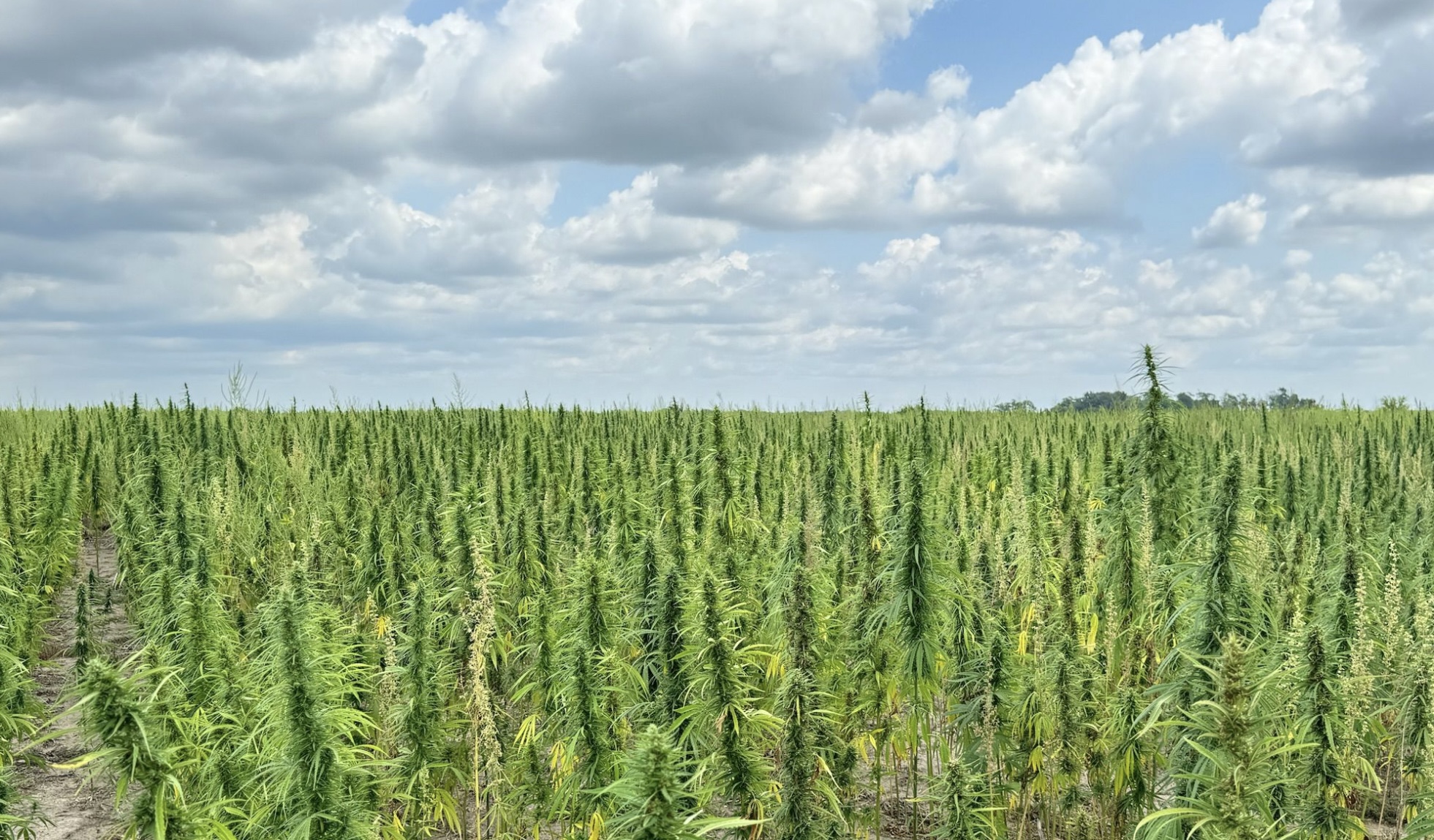
Alaska stands at a crossroads. We can harness our land, ingenuity, and strategic location to build a thriving hemp industry centered on a state-of-the-art insulation factory at Port Mackenzie. This is not about chasing trends; it’s about using Alaska’s resources wisely to create real jobs, reduce energy costs, and export sustainable products to global markets. The potential is here, the technology exists, and the demand is growing. What we need now is the will to act.
“The potential is here, the technology exists, and the demand is growing.”
A New Crop for a New Economy
Industrial hemp is not marijuana. It is a versatile, low-input crop used for fiber, building materials, food, and fuel. The 2018 Farm Bill legalized hemp nationwide, and Alaska followed suit with its own program under the Department of Natural Resources. Yet, in the seven years since, our production has been minimal. The reason is not lack of potential, it’s lack of infrastructure and investment.
A 2025 USDA analysis found that U.S. hemp fiber processing capacity remains far below demand. Domestic manufacturers are importing hemp hurds and bast fiber from Canada, Europe, and China. Alaska has millions of acres suitable for cold-hardy hemp varieties that thrive in long daylight cycles. A single processing and manufacturing facility in the Mat-Su could create hundreds of jobs, from farming and transport to fabrication and research.
“Alaska has millions of acres suitable for cold-hardy hemp varieties that thrive in long daylight cycles.”
Transportation: Turning Empty Containers into Opportunity
Transportation is Alaska’s biggest cost barrier and our biggest untapped advantage. Each year, Alaska exports roughly $1.2 billion in goods, but nearly 60 percent of outgoing containers leave empty on barges or ships bound back to Seattle. That’s a hundred million dollars in wasted potential moving down the Inside Passage every year.

A hemp insulation plant at Port Mackenzie could turn that around. With its deepwater docks, road access, and a nearly complete rail spur, the Port is designed for bulk and containerized freight. Finished hemp insulation batts could be loaded directly into those returning southbound containers at rates of $50–$75 per ton, undercutting truck-based competitors in the Lower 48.
Completing the rail connection between Port Mackenzie and the Alaska Railroad main line would reduce costs by up to 20 percent while strengthening Mat-Su’s role in Alaska’s industrial supply chain. Instead of paying to ship materials out of state for processing, we can process them here, ship finished products south, and keep the jobs and the value at home.
“We shouldn’t be sending empty containers back to Seattle—we should be sending finished Alaskan products.”
Why Port Mack: Port Mackenzie was built for this opportunity. It has rail access under development, deepwater capacity for exports, and proximity to natural gas and industrial power. The surrounding Mat-Su Borough has both land and workforce capacity, and recent infrastructure investments are beginning to make manufacturing feasible again. A hemp insulation factory producing hempcrete blocks and batts could supply statewide housing projects, housing insulation in Western Alaska, and even Arctic export markets through the Northwest Passage.
Energy: Powering a Factory Affordably
Energy costs remain one of the biggest hurdles to manufacturing in Alaska. Industrial electricity rates in our state average 25.3 cents per kWh in 2025 which is nearly double the national average of 16.7 cents, driven by our dependence on diesel-heavy grids. A 5- to 10-megawatt hemp insulation plant could face annual energy bills between $2 million and $3 million, making cost reduction essential to profitability.
Using locally sourced natural gas or clean coal systems in the Susitna Valley could bring electricity rates down to roughly 10 cents per kilowatt-hour, making a hemp insulation plant competitive with operations in the Lower 48. The Mat-Su Borough’s $20 million upgrades at Port Mackenzie proves that when the public and private sectors work together, we can stabilize power rates, attract new industry, and make Alaska manufacturing competitive again.
“When the public and private sectors work together, we can stabilize power rates and make Alaska manufacturing competitive again.”
Jobs, Innovation, and Exports

A single mid-size hemp insulation plant could employ 150 to 200 people directly, with another 300 to 400 indirect jobs in trucking, farming, and support services. The broader regional impact could exceed $50 million annually. Hempcrete and natural fiber insulation are in high demand across northern markets because they are fire-resistant, mold-proof, and carbon-sequestering. With growing interest from Japan and Korea in Arctic building materials, Alaska is positioned to become a major supplier, not just a local user.
Universities and research institutions, such as UAF, could collaborate on seed genetics, soil health, and product testing, creating a true value chain from field to finished product. Local farmers would gain crop diversity, and the state could see new export revenues without compromising environmental standards.
The Path Forward
To realize this potential, Alaska must streamline its hemp licensing and testing process, expand DNR’s authority to support processing rather than just cultivation, and coordinate with AEA and AIDEA to finance site development. A $40–50 million project combining private equity, state-backed financing, and Renewable Energy Fund grants is achievable with legislative support.
Port Mackenzie has waited long enough for the right project. A hemp insulation plant would showcase Alaska’s ability to combine resource development, manufacturing, and renewable technology under one roof, creating jobs that last, not subsidies that fade.
“A hemp insulation plant would showcase Alaska’s ability to combine resource development, manufacturing, and renewable technology under one roof.”
Conclusion
The foundation for Alaska’s hemp economy already exists. The markets are open, the resources are available, and the location is ideal. What’s needed is leadership; leadership that sees beyond short-term headlines to the kind of steady, diversified growth Alaska needs.
It’s time to move from potential to production. A homegrown hemp industry can help us build Alaska’s future from the ground up.
Originally published on Substack: https://kevinjmccabe.substack.com/p/alaskas-hemp-revolution-building