

In fiscal year 2022, the State of Alaska sold zero board feet of timber in Southcentral. Not a little.
Zero.
That same year, 562 fires burned more than three million acres. Over the five years leading up to it, about 92 percent of the Division of Forestry’s budget was spent preparing for fire and fighting fire. We eventually renamed the division to match what it had become. We are not really running a forestry program in Alaska.
We are running a fire department that happens to own a lot of trees.
That is backwards, it is expensive, and it is not what our Constitution tells us to do. Article VIII says the state should develop its resources and make them available for maximum use consistent with the public interest. Section 4 is even clearer:
Fish, forests, wildlife, grasslands, and all other replenishable resources belonging to the State shall be utilized, developed, and maintained on the sustained yield principle, subject to preferences among beneficial uses.
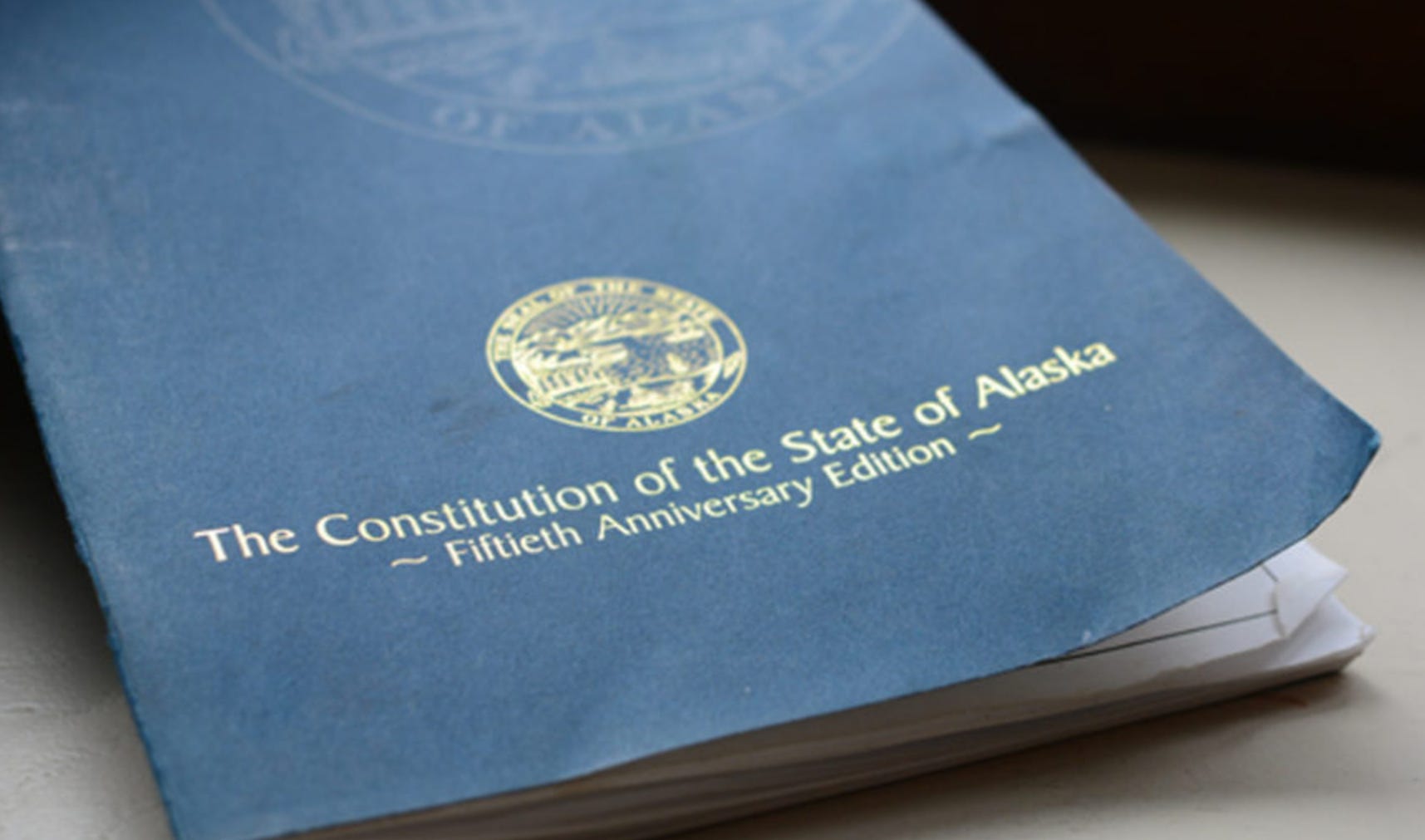
Forests are in that list by name, right next to fish and wildlife. And the word is shall. We understand sustained yield when we talk about salmon, moose, and caribou. It means managing a resource so it keeps producing, and using what it produces without destroying what comes next. I do not know why we decided forests should be treated differently.
From fiscal year 2013 through 2022, state timber sales brought in about $6.6 million. That is the whole decade. The 2019 fire season alone cost the Division of Forestry $224.9 million. Add the federal share and the total topped $300 million. So, we pay the fire bill either way. We just turn down the timber revenue first. In a bad summer, Alaska can spend more fighting fire in a few weeks than our timber program returned in a decade.
We have three state forests: Haines, Southeast, and Tanana Valley. Together they make up about two percent of state land. There is no Southcentral state forest. The fastest growing part of Alaska, with the people, highways, ports, and rail needed to support an industry, sits in the middle of a landscape hammered by spruce beetles, yet we do not have one acre of designated state forest here.
The beetles took about a million acres on the Kenai in the 1990s and millions more across Southcentral. Nobody harvested most of that timber. The beetles took it. Dead spruce does one of two things. It rots, or it burns. There is no third choice where it stands there forever being scenery. When it burns, it burns where people live. I am not arguing against spending money to defend those homes and communities.
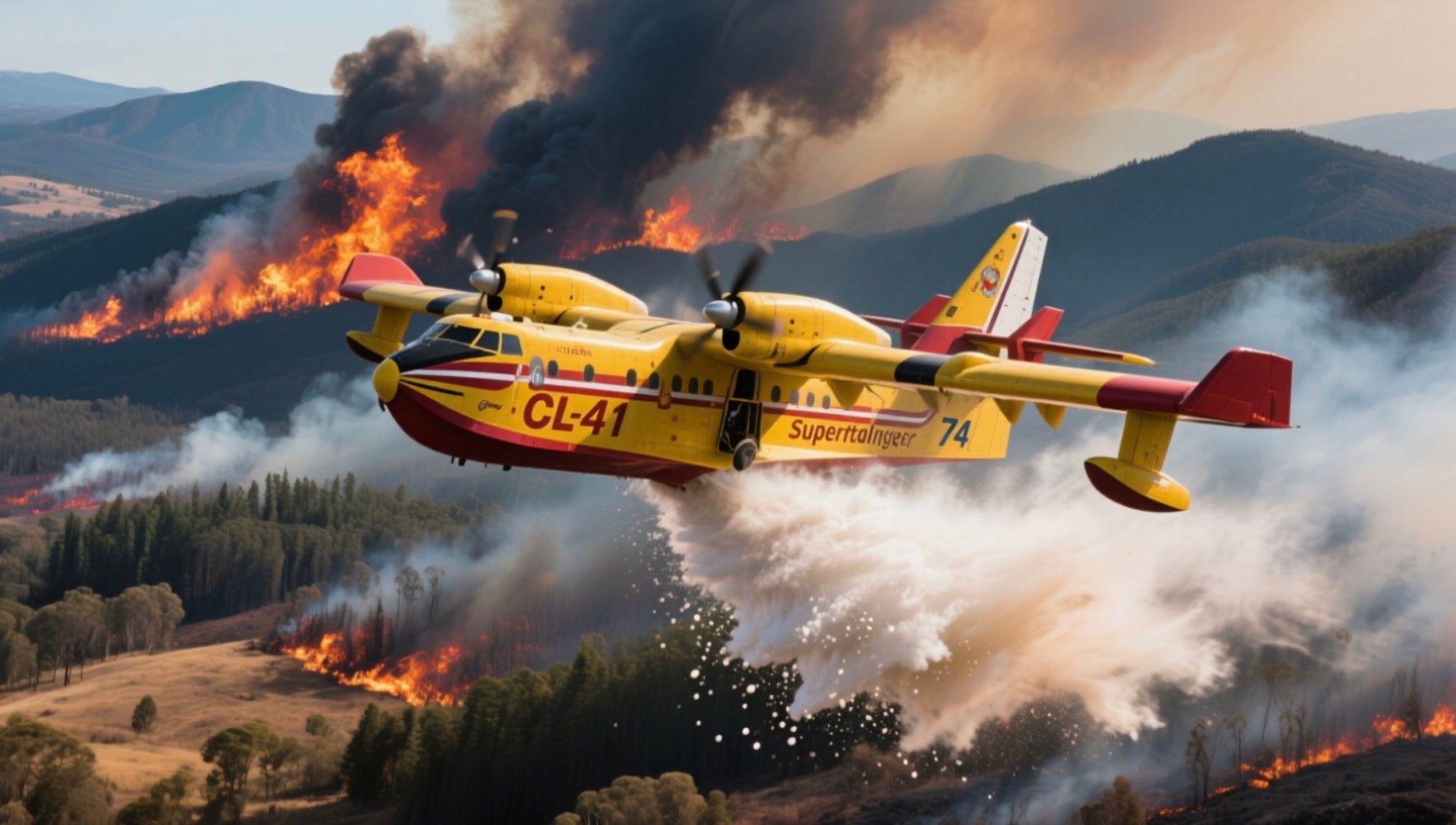
I am asking why we wait until the forest is on fire before we decide it is worth managing.
The areas around our communities are also the areas we can reach. We can thin them, harvest them, reduce fuel around homes, and put usable timber into the economy at the same time. They are also the areas people see from the road, which is part of the reason this argument gets emotional. Cutting trees is visible. A million acres of beetle-killed timber is easier to ignore until the smoke shows up.
If carbon is your concern, follow the carbon. A tree that rots eventually gives its carbon back to the air. A tree that burns does it much faster. A tree we turn into lumber can spend generations sequestered in a house. Every board we mill here is also one we do not have to haul fifteen hundred miles from Washington or British Columbia. Alaska is covered in trees, yet we import most of the lumber we use to build houses. We pay for the lumber, pay to ship it north, burn the fuel to get it here, and then wonder why building a house costs so much. There is no version of taking climate seriously in Alaska that includes shipping wood past our forests.
Managing forests helps wildlife too. Moose need the young willow, birch, and aspen that come back after fire or harvest. The big Kenai fires of 1947 and 1969 created some of the best moose habitat Alaska has ever had. Fish and Game says moose numbers tend to peak about fifteen to twenty years after a burn and then decline as the forest matures. Other wildlife need older stands. That is the point. We need a mix, and management gives us one instead of letting beetles and lightning make every decision.
Responsible development does not mean cutting everything down. It means taking what the land can produce without destroying its ability to produce again. Stay within the allowable cut. Protect salmon streams. Leave nutrients on the ground. Replant where necessary and cut in patches where it makes sense. Most of those protections are already in Alaska law. Nobody is talking about turning Southcentral into one giant clear-cut.
We have also removed one of the biggest barriers that kept Alaska timber out of Alaska homes. In 2023, the Legislature passed and the Governor signed SB 87, creating the Alaska Lumber Grading Program. Before that, small Alaska mills faced expensive outside grading requirements. Now Alaska lumber can be graded here and used to build Alaska homes.
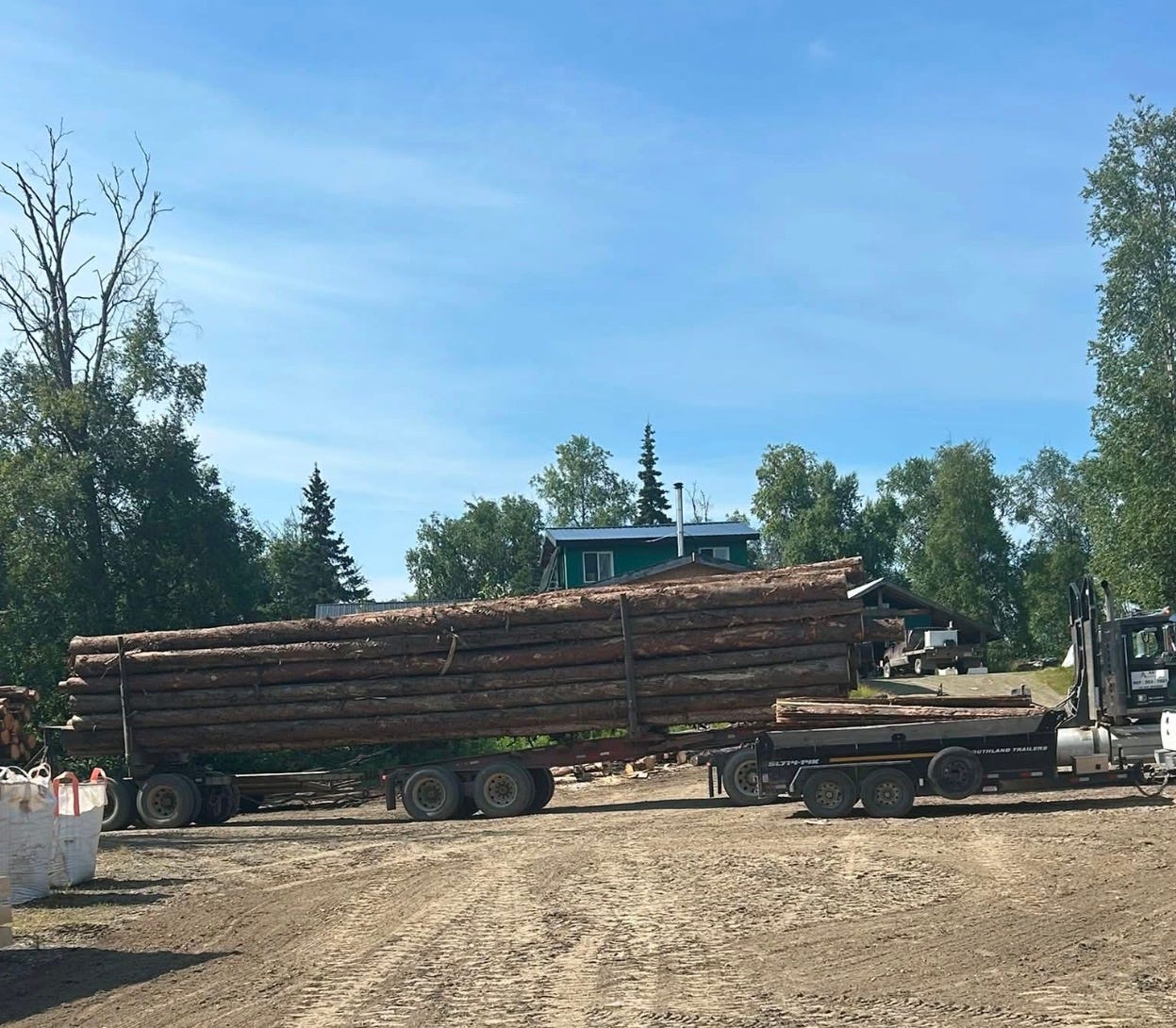
The Governor signed that bill at Papoose Milling in Big Lake, in my district. Andrew Traxler owns the place and talks about managing our forests through sustainable harvest with an eye toward natural regrowth. That is the industry we are talking about. Not some multinational company clear-cutting its way across Alaska. A guy in Big Lake with a mill, buying Alaska timber, employing Alaskans, and selling lumber that can go into an Alaska house. I was proud to be a cross-sponsor of that bill.
The market is here. What is missing is reliable timber supply and access to it. A mill cannot buy timber the state will not sell, and it cannot harvest a stand it cannot reach. That is why roads and access matter. A road is not the end of a forest. It can be the difference between a stand somebody harvests and replants and a stand nobody touches until beetles, disease, or fire manage it for us.
We can keep spending hundreds of millions of dollars in a bad fire year defending communities from fuel we refused to manage, while importing lumber from Canada and the Lower 48 to build the houses we are defending. Or we can do what Article VIII actually tells us to do: utilize, develop, and maintain our forests on sustained yield.
Grow it here. Cut it here. Mill it here. Build with it here. Put the carbon in the wall instead of the sky, give the moose something to eat, give local mills something to mill, and keep more of the money in Alaska.
We are going to spend it either way. The question is whether we get a house out of it.