

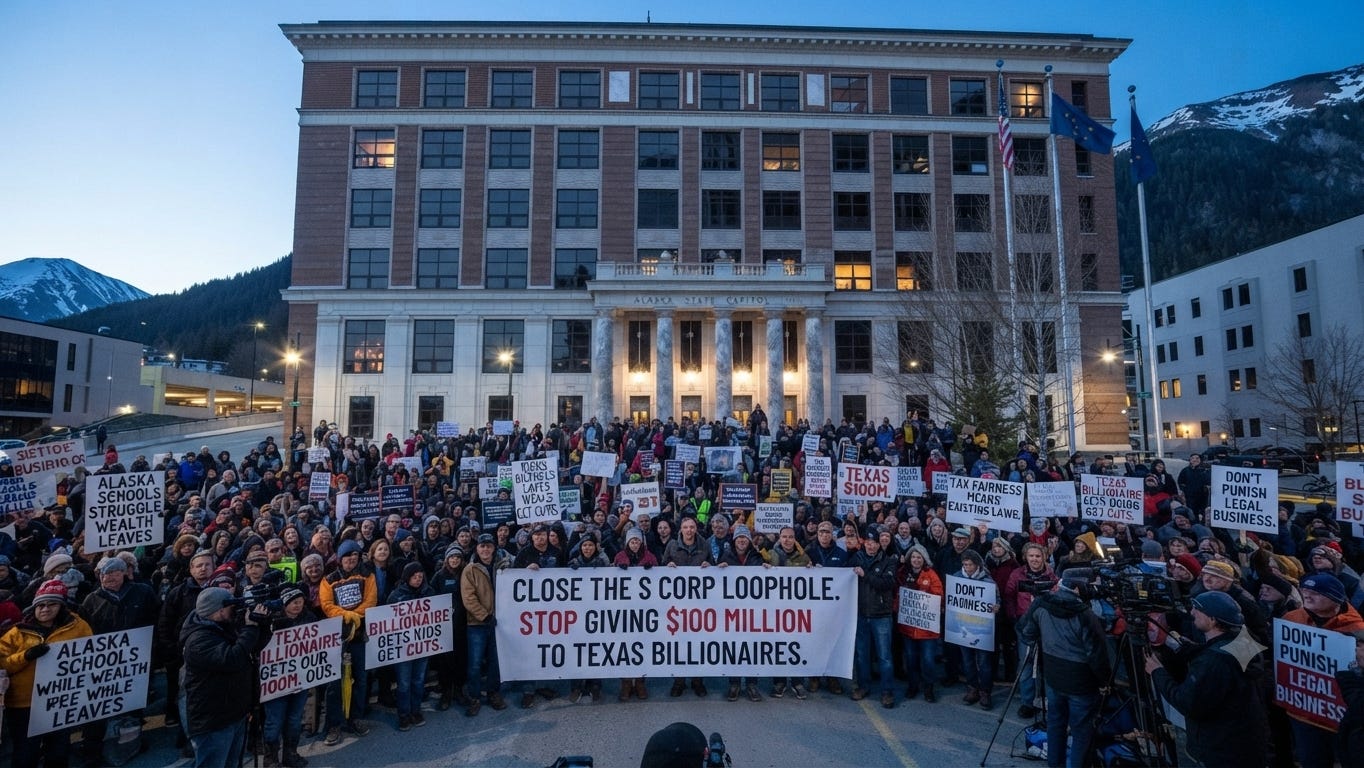
If you’ve followed the news this year, you’ve heard about the “S corp loophole.” You’ve heard that Alaska is giving away $100 million a year to a billionaire in Texas while our schools struggle. You’ve also heard the other side: that the state is trying to punish a company that followed the law.
Both sides are shouting past each other. Neither side is explaining. So let’s slow down and answer the basic questions. What is an S corporation? Where did it come from? And how did Alaska end up in this mess?
An S corporation isn’t a special kind of business. It’s a federal tax election. The “S” comes from Subchapter S of the Internal Revenue Code. Most large companies, like ConocoPhillips or ExxonMobil, are C corporations. Their profits are taxed at the company level, and shareholders may pay taxes again when those profits are distributed. That’s the double taxation people talk about.
In 1958, Congress decided that system wasn’t fair for many small businesses. A family company wanted the legal protection that came with incorporation. If the business failed or was sued, the owners’ homes and savings were protected. But it didn’t seem right to tax the same dollars twice simply because a small business incorporated.
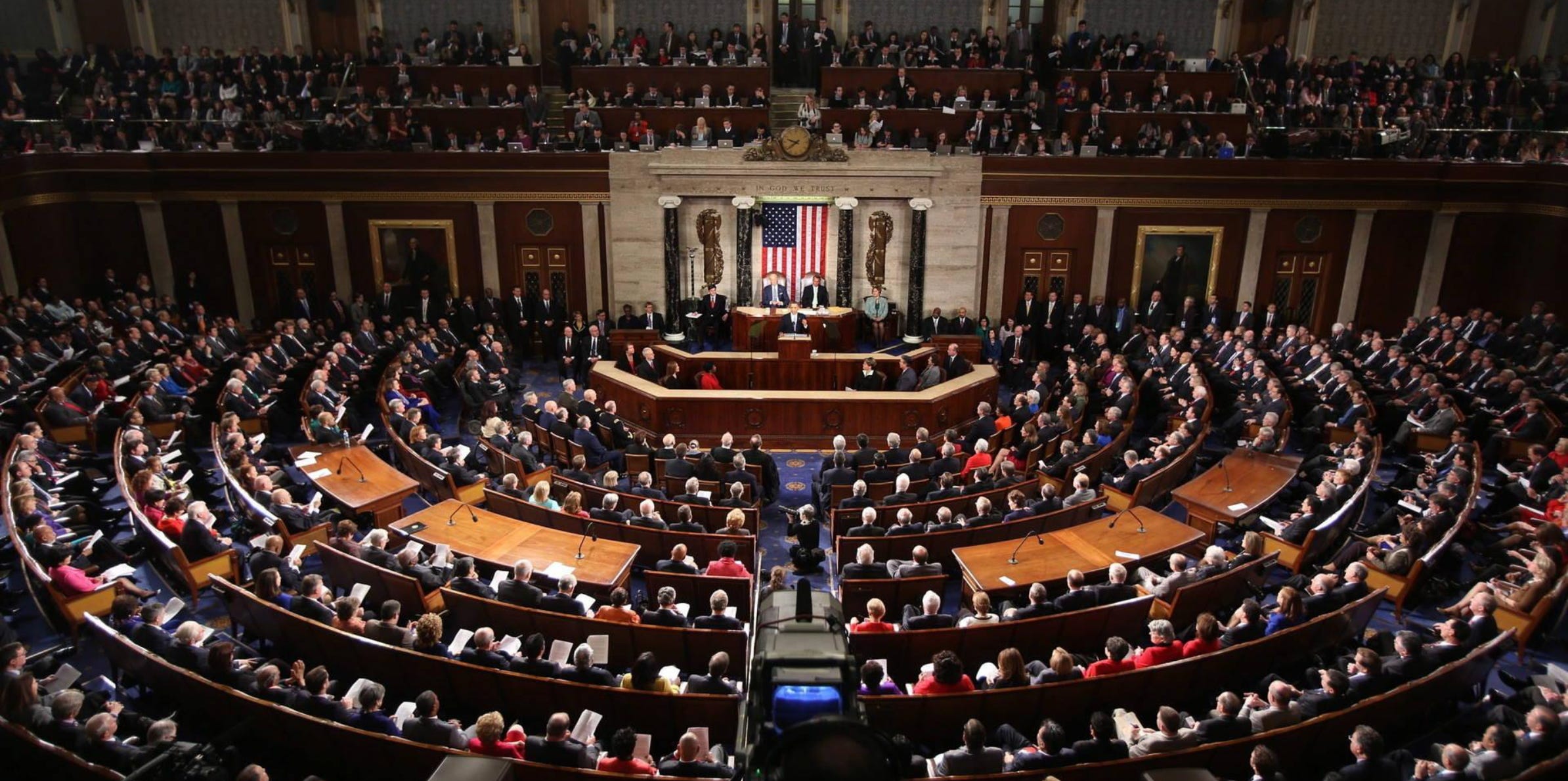
So Congress created the S corporation. A qualifying small business could keep the legal protections of a corporation while paying income tax only once. The company itself pays no income tax. Instead, the profits pass through to the owners, who report that income on their personal tax returns. Congress wasn’t trying to eliminate taxes. It simply changed who paid them.
That system works exactly as Congress intended in almost every state because a personal income tax is waiting for those profits when they reach the owners. The company doesn’t pay. The owners do. Everybody pays once, and everybody understands the rules.
Alaska changed one piece of that equation in 1980.
When Prudhoe Bay was producing enormous wealth, Alaska repealed its personal income tax. At the time, it made perfect sense. Oil money was paying the state’s bills. Nobody imagined we’d someday be debating the tax treatment of a pass-through business operating one of the largest oil fields in the world. Nobody stopped to ask what would happen to income that federal law expected to be taxed at the personal level in a state that no longer had a personal income tax.
C corporations continued paying Alaska’s corporate income tax, just as they always had. S corporation profits continued passing through to the owners, exactly as Congress designed. But when those profits reached the owners, Alaska had no tax there to collect. The money wasn’t taxed at the company level because federal law says it passes through. It wasn’t taxed at the personal level because Alaska had eliminated that tax.
This wasn’t a carefully written exemption, loophole, or a clever accounting trick. It was the unintended result of two tax systems that no longer fit together.
For forty years, almost nobody cared because the dollars were small. Alaska’s S corporations looked just like the businesses Congress had in mind: family businesses, contractors, fishing operations, medical practices, and other closely held companies. Oil money was still carrying the budget. There was no reason to look twice.
That changed in 2020, when Hilcorp bought BP’s Alaska assets, including Prudhoe Bay. BP was a C corporation and paid Alaska’s corporate income tax. Hilcorp operates through pass-through entities. Under Alaska law, that organizational difference suddenly mattered enormously. According to the Department of Revenue, the practical effect was roughly $100 million a year in income tax that Alaska no longer collects from the operator of Prudhoe Bay.
Hilcorp didn’t invent this setup. It didn’t ask the Legislature for a special break, and it didn’t reorganize itself after buying BP’s assets. Hilcorp has been structured this way since long before it came to Alaska. It bought those assets under laws Alaska had already written and followed the tax code exactly as it exists.
Like the outcome or not, that distinction matters. The question isn’t whether Hilcorp followed the law. By every indication, it did.
The question is whether Alaska still wants its tax laws to produce this result.
I’ve never thought “loophole” was the right word for any of this. A loophole suggests somebody found a hidden crack in the law that lawmakers never intended. Nothing here is hidden. Alaska’s tax code works exactly the way it was written. Pass-through businesses don’t pay the corporate income tax because the law says they don’t.
“Gap” is the better word. When Alaska repealed the personal income tax, it left a space between the federal pass-through system and Alaska’s own tax structure. For decades, that gap was too small to notice. Then the operator of Prudhoe Bay happened to fit into it.
Alaska isn’t the only state without a personal income tax. Other states faced this same question and found different solutions. States like Texas and Tennessee found ways to tax pass-through businesses regardless of how they are organized under federal law. Alaska never did, because until 2020 there wasn’t much reason to revisit the issue.
We can disagree about what should happen next. Some believe companies producing the same oil should pay the same state income taxes, no matter how they are organized under federal law. Others argue that businesses invest billions of dollars based on the rules in place at the time, and changing those rules afterward makes Alaska a less predictable place to invest. Still others want to address the gap but believe it should be done through a careful review of the entire tax code, not through amendments attached to unrelated bills or legislation that appears aimed at a single taxpayer.
Those are all honest arguments, and they deserve an honest debate.
What doesn’t help is pretending this is either a corporate scheme or a political vendetta. The truth is much less dramatic. Congress created S corporations nearly seventy years ago to encourage small, nimble businesses, trusting that the owners would pay tax on the profits. Alaska later repealed its personal income tax because oil money made it unnecessary. Those two decisions were made for completely different reasons, decades apart. Eventually, they collided.
Whether Alaska leaves the law alone or changes it is a decision for the Legislature and the governor. People can disagree about the answer. But before we accuse companies of gaming the system or politicians of giving away the store, we ought to understand how the system actually got here.
Effective public policy starts with understanding the problem as it really exists, not as it’s described in campaign slogans, memes, or bumper stickers. Alaskans deserve that much before they’re asked to pick a side.
Bottom line, for me? There is no loophole.
Alaska’s tax code may need repair, but it should not be rewritten by burying tax policy in unrelated legislation and calling it someone else’s failure. Introduce a standalone bill and debate it openly, honestly, and transparently.