

Nobody attacks a mine by talking about what is extracted.
When Alaskans argue about Pebble, we don’t argue about ounces of copper, finite as it is. We argue about the streams, the headwaters, the salmon downstream. The extracted thing isn’t the point. The place it comes out of is the point.
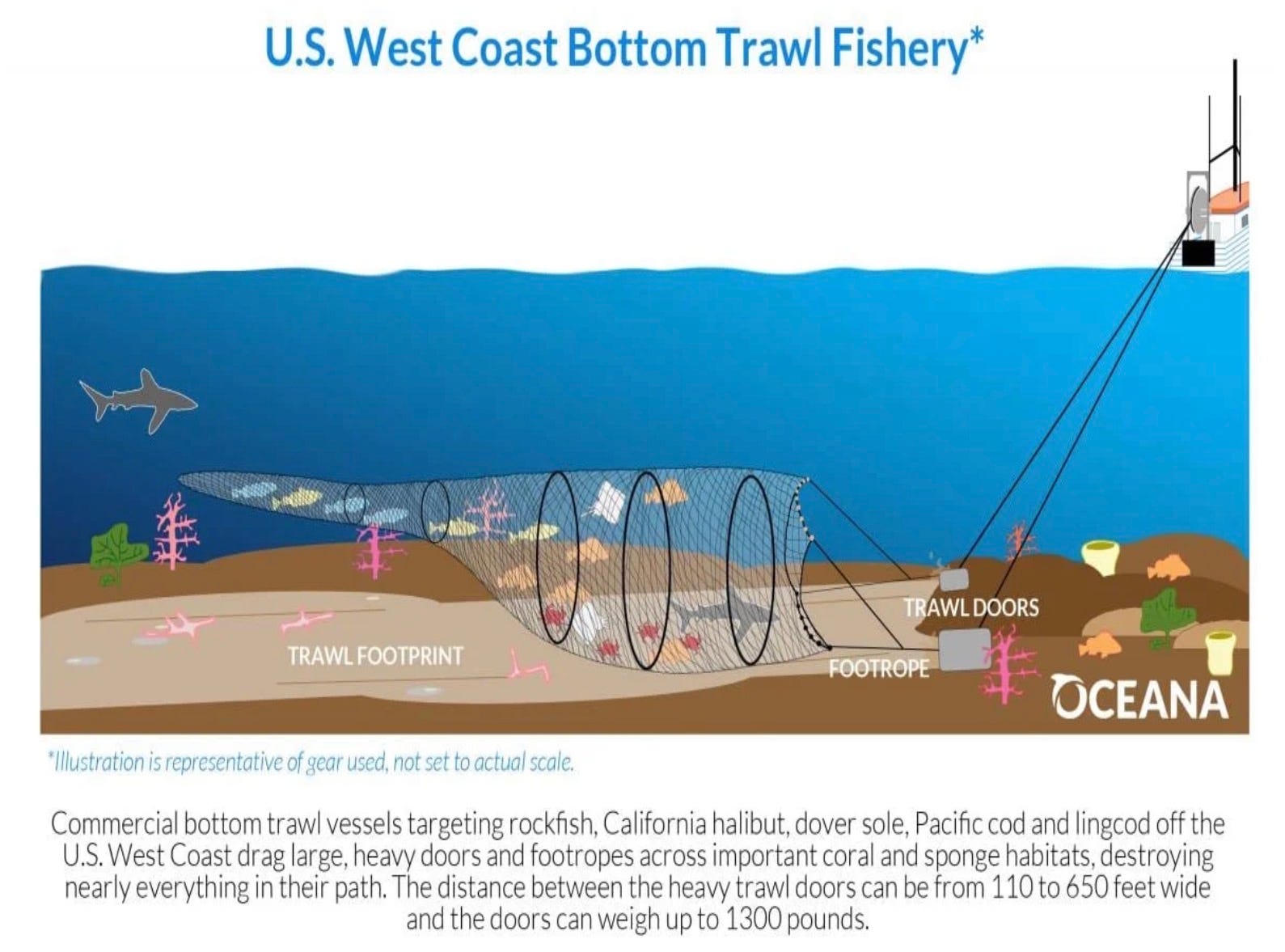
So why do we buy that trawling is all about fish?
Every debate over trawling gets steered onto the same ground. How many pollock. What the bycatch quota is, a share of the catch or of the resource? All of it framed as a renewable-resource question: how much can we take and still breed back? It’s a fair question. But it’s the wrong one, and I think the industry knows it.
Because bottom trawling isn’t harvesting a renewable resource. It’s strip-mining a non-renewable one and calling the wreckage a fishing debate. Some extraction renews. Timber grows back. Farmland replants. You take the crop and leave the soil. Fish, left alone, come back, if we stay off the bottom.
But a mine is different. You cannot re-seed an ore body. And when you drag steel doors, netting, and chains across the seafloor, you aren’t taking the crop. You’re mining the soil. You’re grinding up coral gardens, sponge beds, crab nurseries, and sediment layers that took centuries to build, the habitat every fish depends on to be renewable at all.
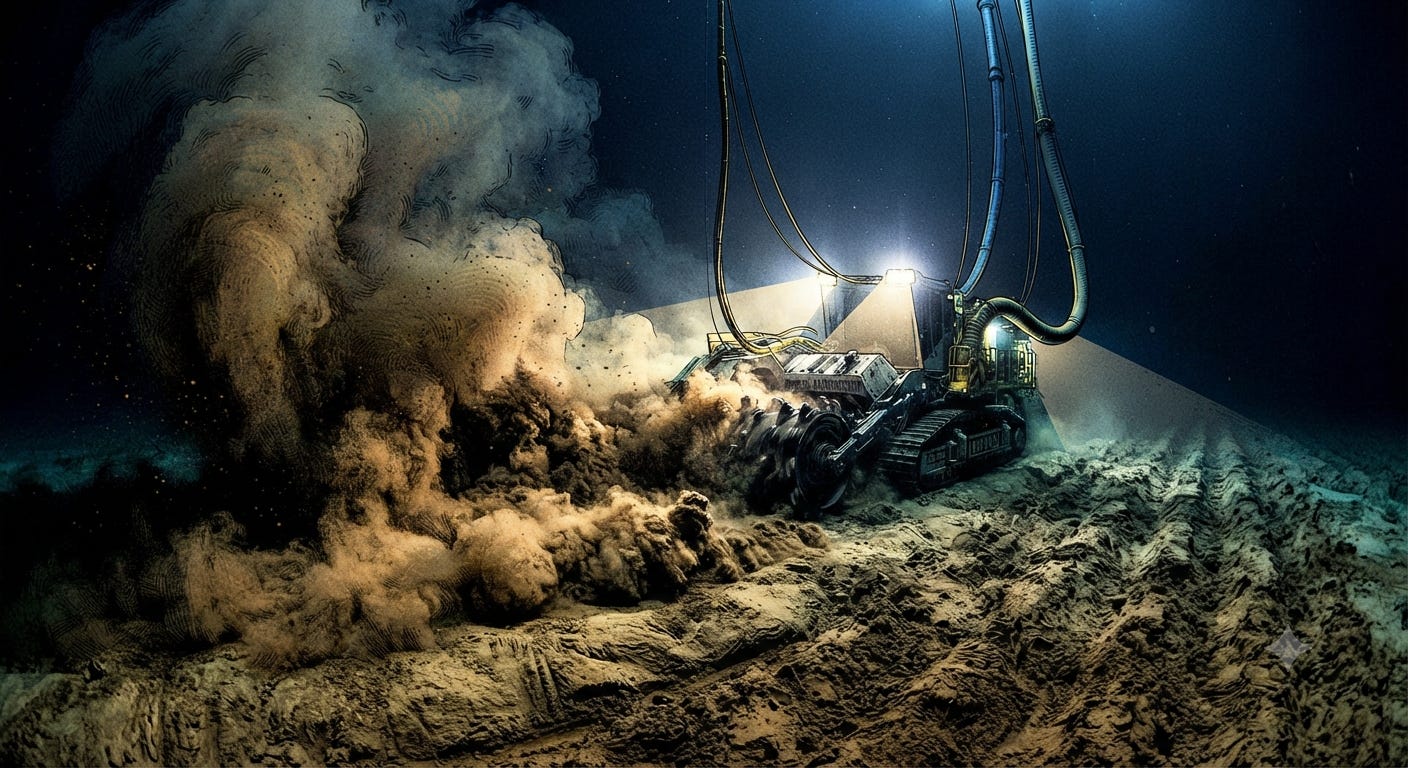
It’s rototilling the ocean floor with no replanting, others call it clearcutting the seabed with no reseeding. Either way, this isn’t farming the ocean. It’s mining it.
What’s hard to reconcile is legislators who oppose all seabed mining yet defend bottom trawling. Somehow dragging heavy steel across living habitat is fine, so long as we don’t call it mining.
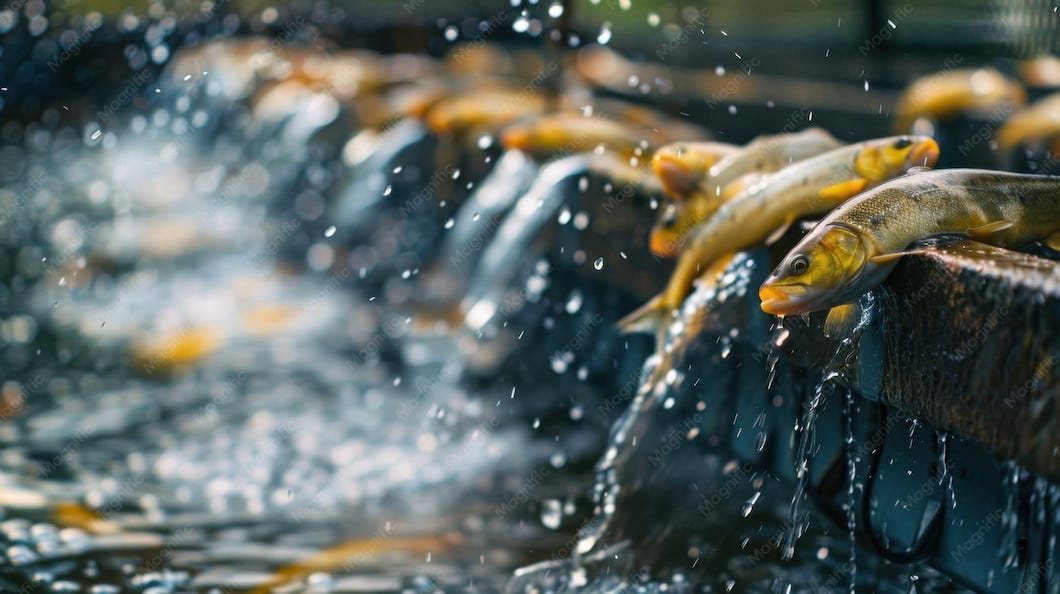
Hatcheries don’t fix it. You can breed a salmon faster than you can rebuild the bottom it evolved to live above. When the only answer to a collapsing stock is to manufacture fish in a building, that’s not a solution. That’s a confession.
The scale is staggering. Each year it re-suspends roughly 22 gigatons of sediment, as much as all the world’s rivers deposit on continental shelves. A 12-year-old halibut now weighs about half what it did in the 1980s, and the stock sits near the threshold where the fishery could close altogether.
Shut. Down. Altogether. That’s not an environmentalist talking. That’s the arithmetic.
Say what you want about Pebble, but look at what we made it do before it could break ground. Nearly two decades of environmental review and permitting. Reclamation bonds posted up front, so the public isn’t left holding the damage if the company walks. We made it prove, in advance, it wouldn’t destroy the salmon habitat around it, all for harm still only potential.
Pebble hasn’t killed a single salmon.
A factory trawler is held to none of that. It drags its gear across habitat built over centuries, posts no bond, files no restoration plan, and proves nothing about what it leaves behind, because it’s out of sight and the debate stays fixed on fish counts. That damage isn’t potential. It happened yesterday. It’s happening today. It’ll happen tomorrow. 22 gigatons a year, every year.
That’s the double standard: the strictest environmental bar in the country for a mine, and no bar at all for ocean-floor mining, so long as we call it fishing instead of extraction.
I’m not against responsible extraction. Everyone knows I believe Alaska needs to build: a gasline, strategic mining, strong fisheries, timber. But building responsibly has always meant one thing: those who take the profit account for and repair the damage. A mine that can’t post a bond doesn’t get built. Why should a trawl fleet that can’t rebuild a seafloor get to strip-mine one for free?
And here’s the kicker. These trawlers process at sea, haul billions back to Washington State, and skip past Alaskan ports on the way out. NOAA figures the state lost around $1.8 billion between 2022 and 2023, tied to collapsing crab and salmon.
In 2024, a single Bering Sea trawler pulled up 2,000 Chinook in a day, fish bound for the Yukon and the families who count on them. They never made it. Federal regulators have now closed Yukon Chinook fishing for seven years. A Seattle industry keeps the profit, and rural Alaska, much of it Alaska Native, buys its own food back at double the price. Under our own constitution, these resources are supposed to benefit Alaskans. This is the opposite.
The industry’s favorite move is to pretend anyone asking wants to shut down all fishing. Nobody does. It’s about not flattening the bottom to catch a fish.
Let’s be real about what the Legislature can do. Most of this trawling happens in federal waters, under NOAA and a council stacked with the industry it regulates. But we control our own state waters, out to 3 miles, and House Bill 203 and Senate Bill 161 would have banned bottom-contact trawl and dredge gear there. It sends the message federal managers need to hear: Alaska is done pretending symbolic gestures put fish back in rivers.
But the deeper fix is how we think. Stop treating trawling as a fishing question and start treating it as what it is: resource extraction. Ask the questions we ask every mine. What habitat is destroyed? Who restores it? Who guarantees the public won’t pay for it?
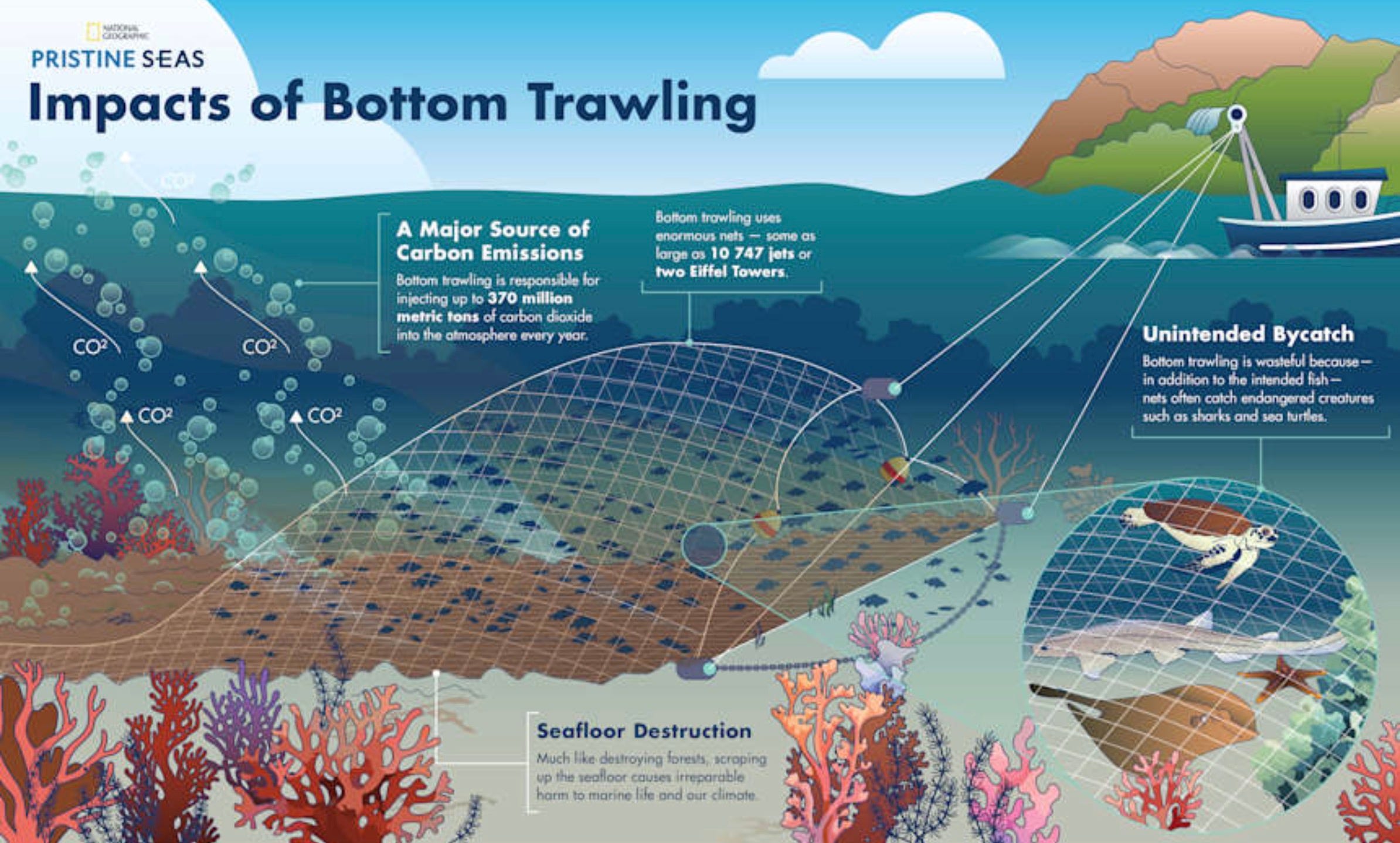
We can’t keep cashing checks on borrowed fish. And we can’t keep mining the ocean floor while advertising the catch as “sustainable Alaska fish,” not when you count the habitat it destroys.
The trawl industry wants this fight to stay about fish, because fish are easier to count than habitat. But habitat is the foundation of every fishery we hope to leave our children. That’s exactly why it can’t.