


I’ve said the 45Q carbon capture credit is not pulling money out of Alaskan pockets or driving inflation. That is still true. But “not hurting us” is a low bar. The real question is whether this is good policy or just an expensive way to look busy while little carbon stays permanently underground.
So I reran the numbers.
45Q pays per ton of CO2 captured and stored or used. After the 2025 update, that is about $85 a ton for geologic storage and $85 for enhanced oil recovery, up from $60. The old Congressional Budget Office estimate of roughly $3 billion over a decade is obsolete. The Joint Committee on Taxation now puts it near $30 billion over ten years, plus $14 billion for the oil-recovery expansion, while Treasury estimates about $43 billion from 2025 through 2034. In plain English, taxpayers are looking at roughly $4 to $4.5 billion a year.
Federal revenues were about $5.07 trillion in 2024, and the average Alaskan contributed roughly $9,800. That puts an Alaskan’s share of a $4.4 billion program at about $8.50 a year. Still small, but no longer the $4.50 figure I cited before, and it is money we do not get back simply by opting out.
The bigger issue now is not today’s cost. It is that Washington removed the guardrails and left the meter running. The 2008 version capped total credits. The modern version does not, so costs rise as projects qualify. Some projections run much higher than current estimates. Whether they prove right or not, this is now an open-ended commitment.
Much as I dislike subsidies, CCUS and carbon credits appear here to stay. That is political reality, not optimism. 45Q was created in 2008 and expanded in 2018, 2022, and 2025 by both parties. Projects can qualify through 2032, and the twelve-year payout pushes federal exposure into the 2040s. Betting on repeal means betting both parties reverse course on something they keep expanding. I would not make that bet.
The contradiction runs the other direction. DOE canceled billions in direct carbon-capture grants as uneconomic, then turned around and funded coal-with-capture under a different program. Washington is not abandoning carbon capture. It is changing how the subsidy is delivered.
And no, 45Q is not a scam, at least not legally; even though many of us, including me, might think it is. The credit is tied to reported performance. The problem has always been verification.

A Treasury Inspector General review found ten companies claimed virtually all credits issued from 2010 through 2019, and roughly $894 million of those claims came from companies that were not meeting EPA monitoring requirements at the time. The IRS later disallowed hundreds of millions of dollars but never released the full results. That is not exactly confidence-inspiring.
If anything, oversight is moving in the wrong direction. And in my opinion that is not helping. Recent guidance allows greater reliance on company-selected engineering certifications after EPA reporting requirements were reduced. Less verification and more money is rarely a formula for public trust.
The real-world side matters too. At Decatur, Illinois, roughly 8,000 tons of CO2 leaked underground near the Mahomet Aquifer, which supplies drinking water to nearly a million people. The operator identified the problem months before regulators were notified. The delay concerns me more than the leak itself. Sequestration is not inherently unsafe, but neither is it “set it and forget it.”
Whether 45Q is worth it depends on what you think you are buying, if anything.
If the goal is permanent, additional carbon reduction, the strongest cases are actually the smallest. Much captured carbon comes from high-purity streams such as ethanol and gas processing, where capture is cheap and might have happened anyway. Enhanced oil recovery muddies the picture further because captured CO2 is often used to produce more oil. That may make economic sense, but it also makes the climate math murkier than most advocates admit.
The most defensible uses are cement, steel, and hydrogen, where emissions are hard to cut and capture is genuinely additional. Those are also the projects that struggle most without subsidies.
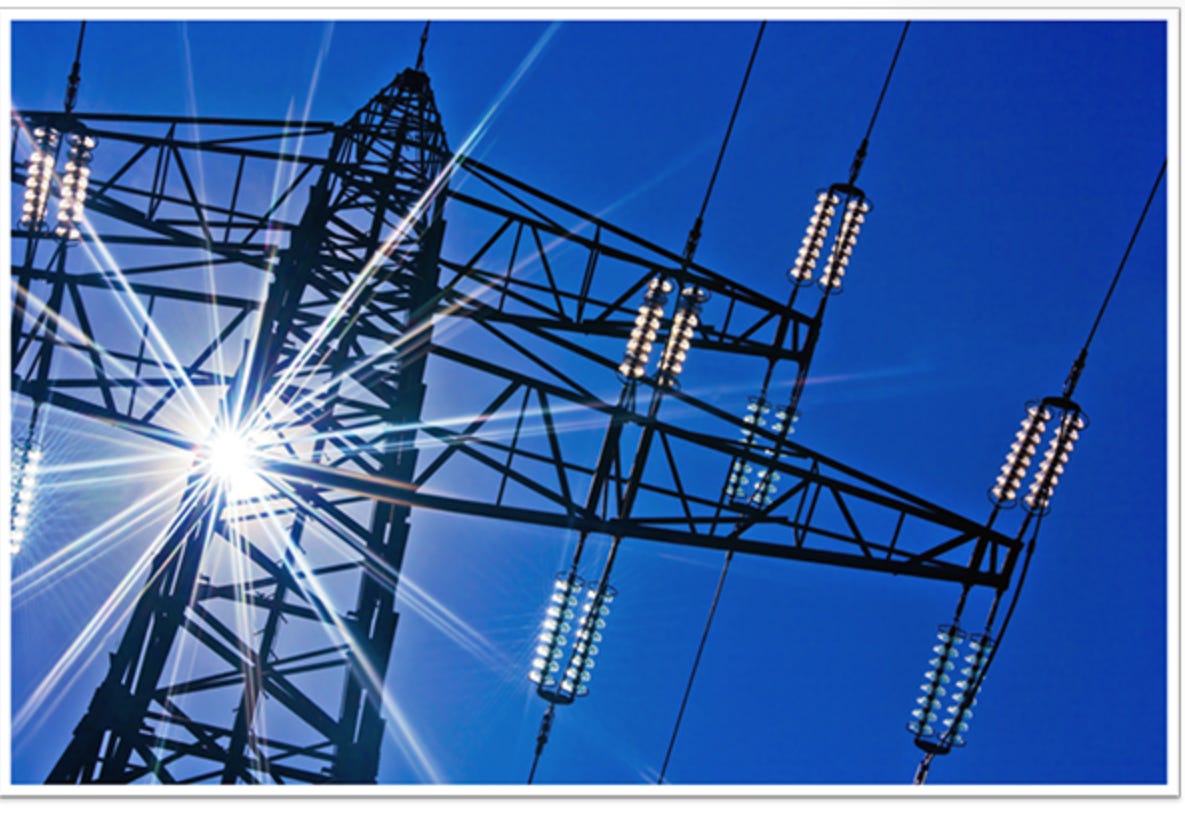
Power generation is a mixed bag. Industrial capture can work. But Power-plant capture is far more expensive and has a long history of overruns. Kemper ballooned from roughly $3 billion to $7.5 billion before abandoning capture. Petra Nova shut down when oil prices fell and only returned after subsidies increased. The technology works. The economics are another matter and certainly bear discussion, much like we never got from Solar or Wind power.
On mining, 45Q does not subsidize extraction, only captured emissions. Coal mines do not qualify simply for digging coal, and new coal plants remain among the toughest places to make capture pencil out.
For Alaska, the most concrete test case is the Terra Energy Center, a proposed coal-and-capture plant in West Susitna with CO2 destined for the depleted Beluga gas field.
The logic is straightforward. Cook Inlet gas is declining. Imported LNG could cost $15 to $30 per MMBtu. Local coal costs roughly $4. Terra’s studies rank coal-with-capture as the lowest-capital firm-power option, ahead of Susitna hydro, small modular nuclear, or tidal generation. Terra projects power near fourteen cents per kilowatt-hour, well below the roughly twenty-five cents Railbelt customers pay today.
DOE selected Terra for $89 million to study a plant now described at up to 1,250 megawatts. If those numbers hold, $8.50 a year in 45Q is an easy trade.
But these are projections. The project is still at pre-feasibility: no final investment decision, no power contract, no closed financing. Terra’s own materials acknowledge the numbers have not been independently audited. The economics also rely heavily on subsidies, including 45Q, DOE support, and state-backed financing.
And this is coal-with-capture, arguably the hardest and least-proven application. Terra points to Petra Nova and Boundary Dam. Those projects delivered mixed results, and Kemper remains the cautionary tale. Terra is worth watching because it may tell us whether 45Q can actually produce cheaper power.
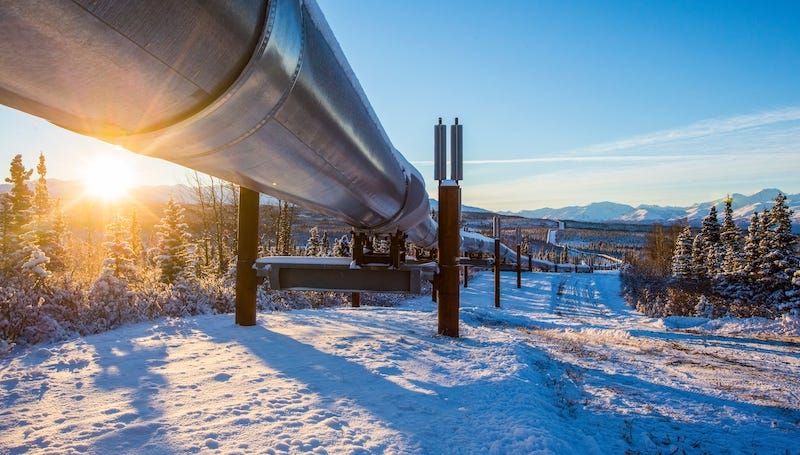
The same calculus applies to Alaska LNG. The project includes a North Slope carbon-capture system designed to store roughly 7 million tons of CO2 annually, making it a prime 45Q candidate. North Slope gas already contains CO2 that must be removed during processing, making capture relatively inexpensive. Even critics of the project estimate the resulting credits could be worth roughly $7 billion. For a project this large, that’s not a footnote. It helps close the financing gap and improves marketability with buyers increasingly focused on lifecycle emissions.
Remove 45Q, and I do not believe a gas line that has struggled for more than a decade gets financed.
Nationally though, 45Q is not a clean win. It is a large, uncapped subsidy with uneven oversight and mixed results. Some projects create real value. Others look like creative accounting backed by taxpayer dollars. Hence the “scam” idea.
For Alaska, the calculation is different. The cost per person is small. The policy is here to stay. And the uses that matter most to us are tied to financing for energy development rather than ideological climate goals.
So the real question is not whether 45Q exists. It is whether Alaskan taxpayers get what their $8.50 pay for.
That is where the debate belongs, not in slogans, but in whether the numbers are real and the public is getting an honest accounting.