

I recently saw a comment that went like this: “There is no misinformation or disinformation. There is only information and how people choose to use it.”
It sounds reasonable until you think about it for more than a minute.
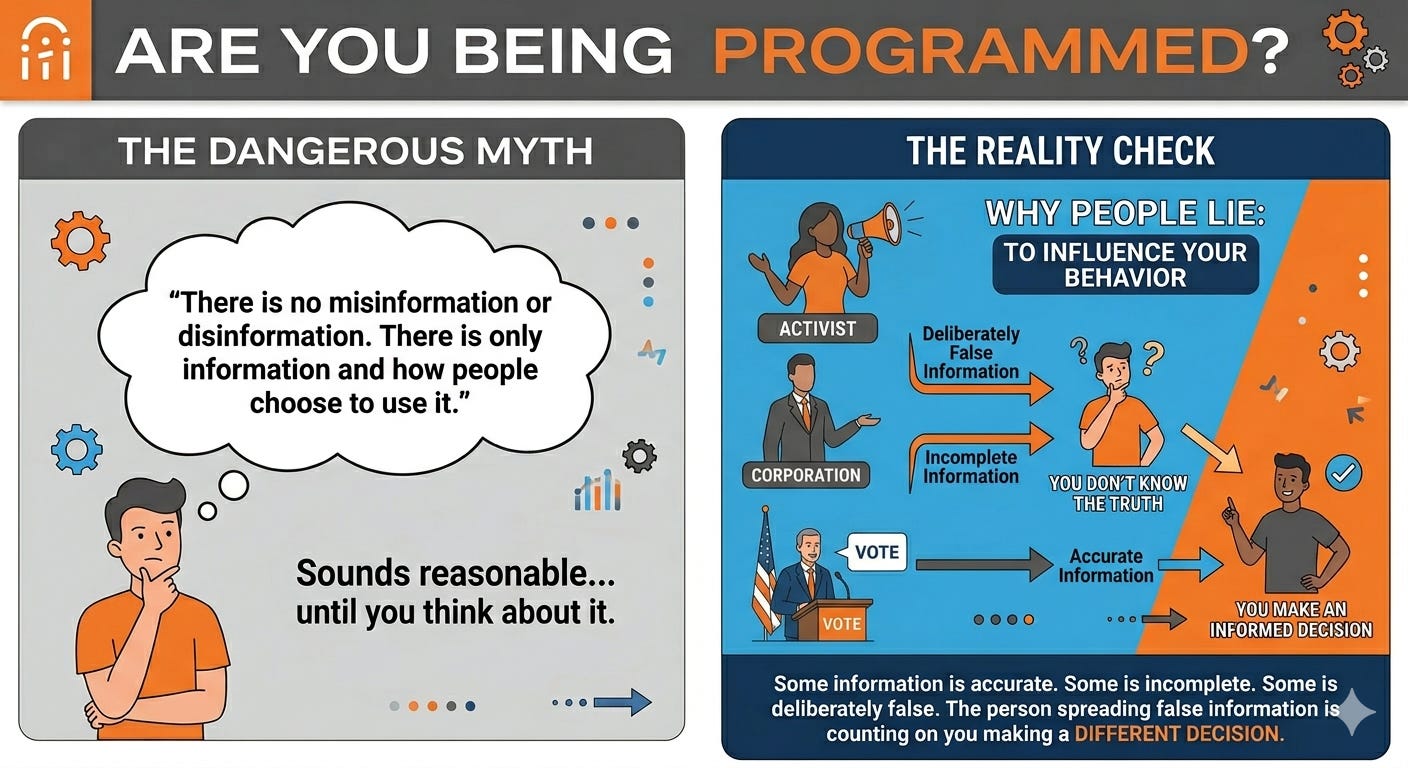
If all information were equal, nobody would bother lying. Politicians lie. Governments lie. Corporations lie. Activists lie. They all do it for the same reason. Information influences behavior. The person spreading false information is counting on you making a different decision because you don’t know the truth. That only works because some information is accurate, some is incomplete, and some is deliberately false.
Most people have heard of MKUltra, the CIA program that became public decades ago. The scandal was not just that government officials crossed ethical lines. The bigger lesson was that human beings are far easier to influence than most of us like to admit. Not because we’re stupid, but because our minds are built to absorb information, recognize patterns, and seek belonging. Those traits helped us survive.
They also create vulnerabilities.
Knowledge doesn’t disappear. Once governments, researchers, marketers, or political strategists learn something about human behavior, that knowledge gets refined and applied elsewhere. The names change. The tools improve. Human nature stays the same.
There is a growing body of research aimed at understanding how people process information. Advertisers spend billions learning what messages work on different audiences. Political operatives would be foolish not to do the same. By the middle of the last decade, campaigns were no longer competing only over policy. They were competing for attention, identity, outrage, fear, and loyalty, delivered directly into people’s pockets twenty-four hours a day.
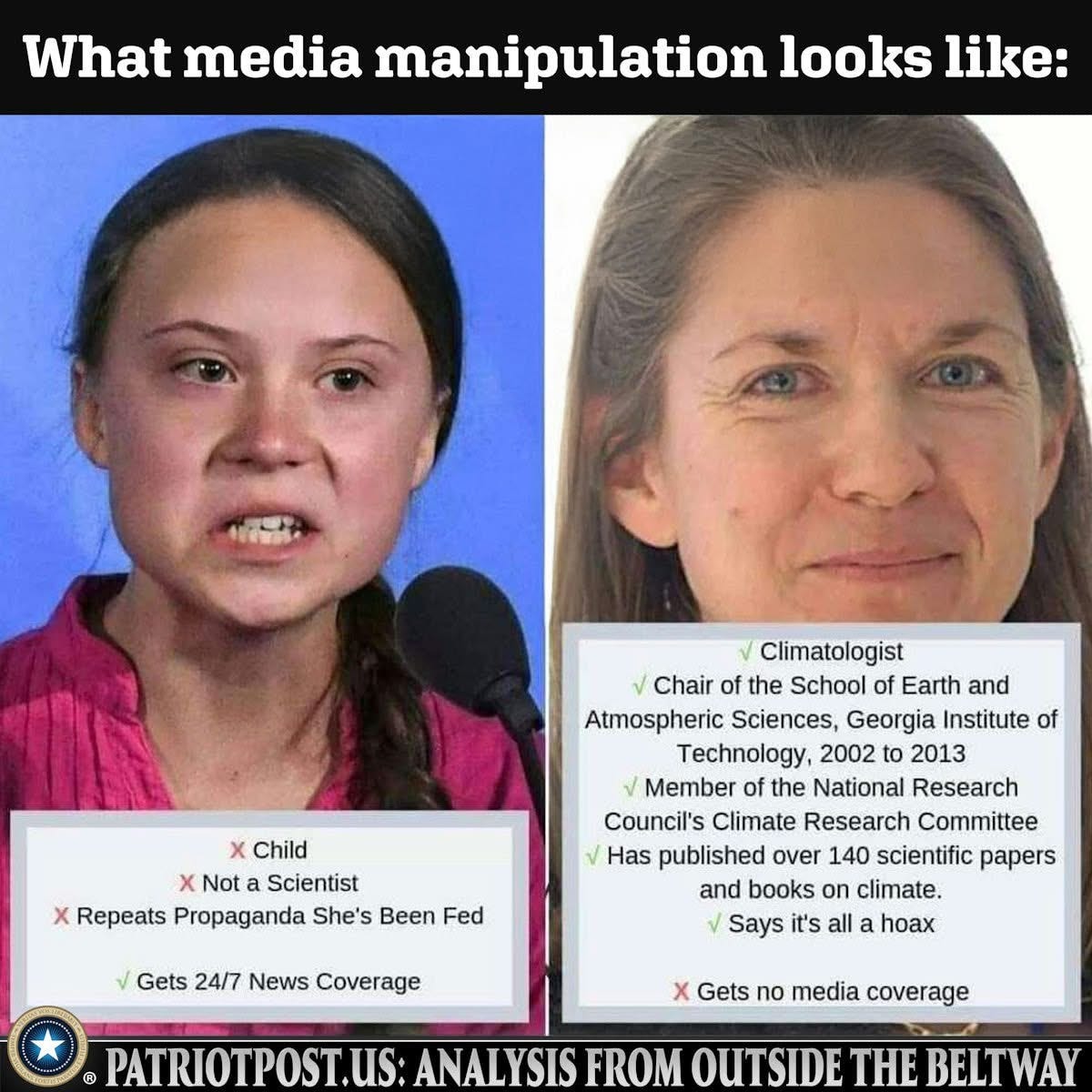
These tactics work because they exploit mental shortcuts all of us use. We tend to trust authority figures before checking the evidence for ourselves. A government official, a scientist, a celebrity, or a television personality makes a claim, and many people accept it before doing any real verification. Sometimes the authority is right. Sometimes not. The title often does the persuading before the facts ever arrive.
The same thing happens when a claim is repeated often enough that people stop asking whether it’s true and start assuming it must be. Psychologists call it the illusory truth effect. In practice, it is just repetition. Say something often enough, in enough places, and it begins to feel true long before anyone bothers to verify it.
Fear may be the most powerful shortcut of all. Present the worst possible outcome, make it sound immediate, and people stop asking whether the claim is true. The question becomes, “What if it is?” Once fear takes over, critical thinking usually takes a back seat.
Want to see it for yourself? Watch speeches from leaders on both sides of the aisle. Don’t focus on whether you agree with them. Watch how they structure the message. How they frame problems. How they create urgency. How they define opponents. Once you start looking at the method instead of the message, the pattern becomes hard to miss.
What makes all of this so effective is confirmation bias. Human beings naturally seek information that reinforces what they already believe and avoid information that challenges it. Conservatives do it. Liberals do it. Every one of us does it, me included.
The problem gets worse when a political belief becomes part of your identity. Nobody stopped talking to family members over butter when nutrition research changed. People simply adjusted their views because butter was never part of who they were.
Political beliefs are different. Once a belief becomes part of your identity, changing your mind feels less like updating an opinion and more like betraying your tribe. Contrary evidence is no longer treated as information. It is treated as a threat. The mind starts defending the belief instead of evaluating the facts.
That may be the greatest success of modern influence campaigns. They do not convince people what to think nearly as often as they convince people they are immune to being influenced in the first place.
The easiest person to manipulate is the person who believes he cannot be manipulated
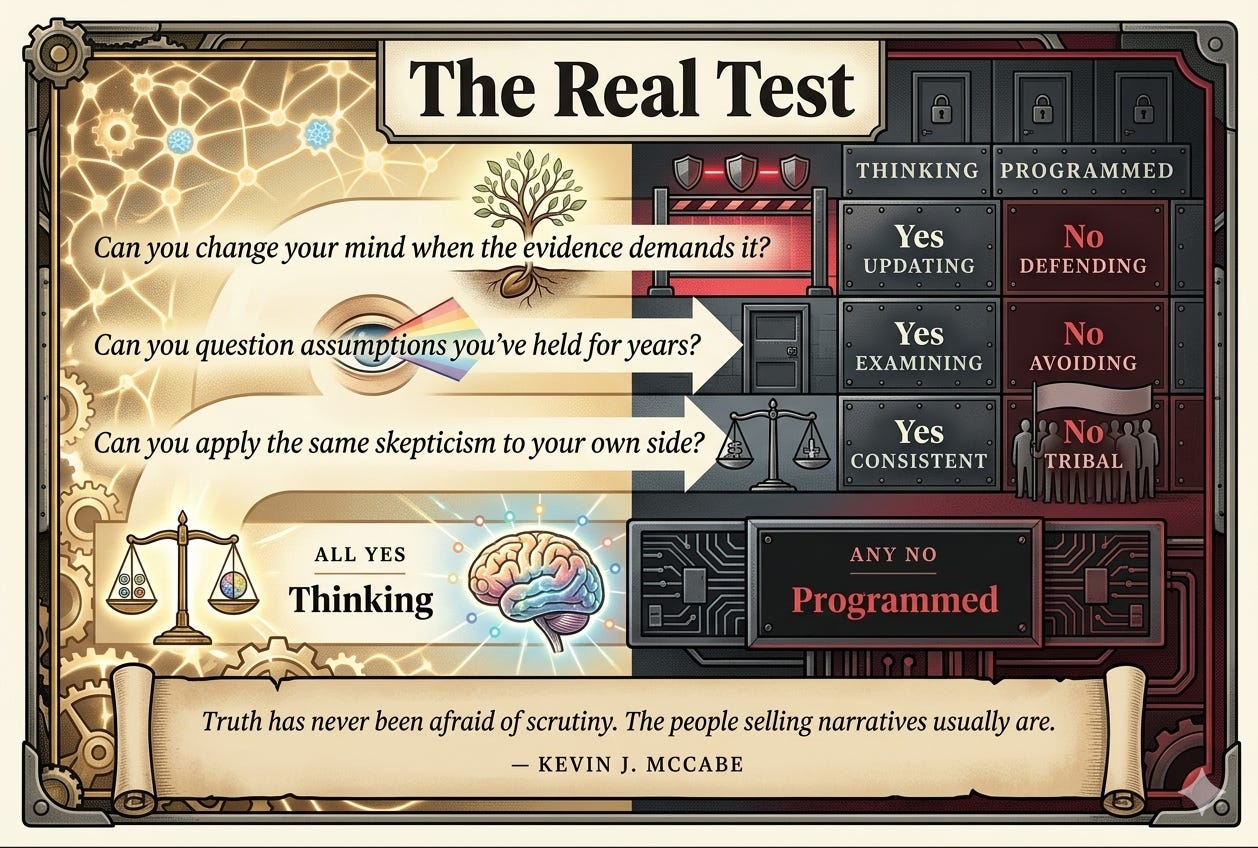
The real test is simple. Can you change your mind when the evidence demands it? Can you question assumptions you’ve held for years? Can you examine your own side with the same skepticism you apply to the other side?
Truth has never been afraid of scrutiny. The people selling narratives usually are.