

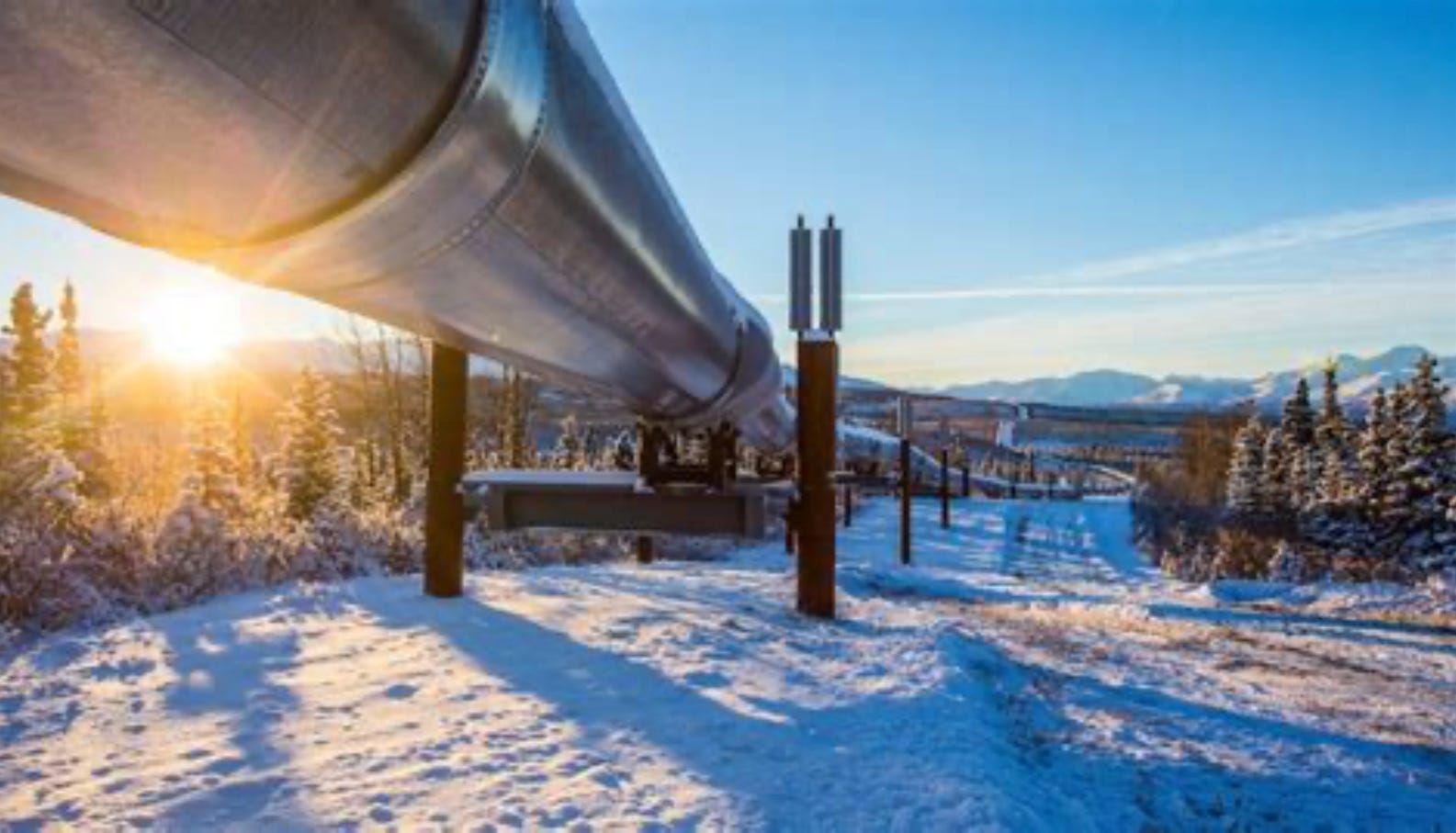
The debate over Alaska LNG finally got something it has been missing: a hard number from the people who actually have to buy the gas, not from those who stand to profit from building the pipeline.
Sen. Bill Wielechowski, in a Facebook post, recently raised fair questions about the proposed tax agreement. This is the largest infrastructure project in state history, and the Legislature has a duty to protect Alaska’s interests. Every assumption, every tax provision, every claim deserves scrutiny. I have said that myself. But too many of the questions in finance hearings are drifting away from the actual project and into side debates and bunny-trails that do not explore the basic project in front of us.
What matters most here, is what was left out of the senator’s framing. The key testimony did not come from Glenfarne or the governor. It came from John Sims, president of ENSTAR, the utility responsible for delivering natural gas to hundreds of thousands of Alaskans. ENSTAR does not make money on construction or tax policy. Its job is simple: secure reliable gas at the lowest possible cost for its customers. If anyone in this system is obligated to speak for ratepayers, it is ENSTAR.
When Sims testified before the House Finance Committee on June 1, he laid out a reality that should guide this discussion.
The question is not whether pipeline gas costs more than today’s gas. It absolutely does.
The question is what happens when today’s gas is no longer available.
ENSTAR’s long-term contract with Hilcorp expires in 2033. It provides up to 162 million cubic feet per day and is the backbone of Southcentral Alaska’s energy system. Sims told legislators plainly that Cook Inlet cannot replace it. This is the last contract of its kind we will see there.
The production numbers explain why. Cook Inlet once produced more than 300 billion cubic feet a year. Today it produces a fraction of that. Even with recent gains, local supply is still far below what ENSTAR needs during peak winter demand.
The contract we rely on is running out, and there is no equivalent replacement in place. None.
That means doing nothing is not an option. We are not choosing between cheap gas and expensive gas. We are choosing among expensive options, and the status quo is one of them.
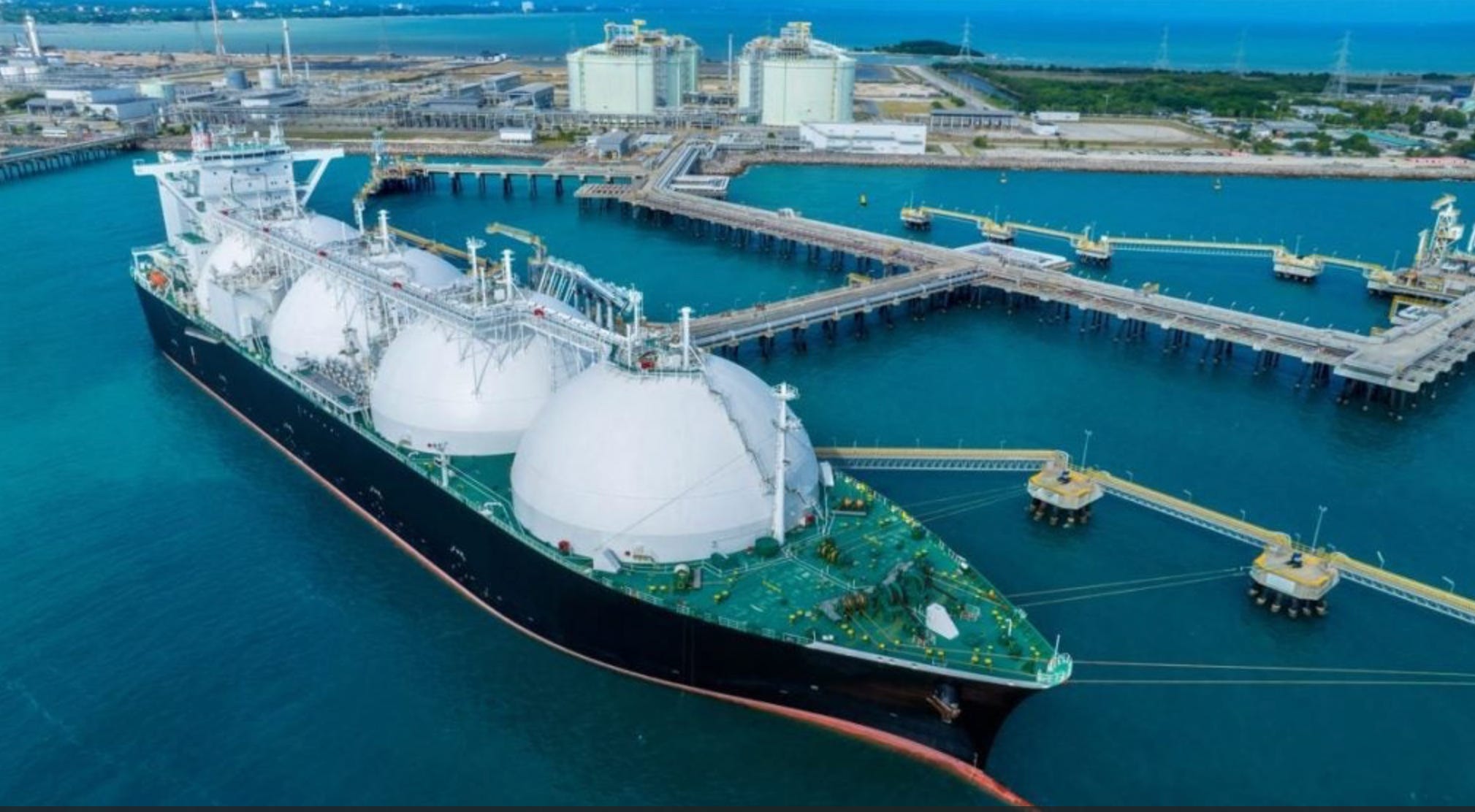
Sims laid out those alternatives. Imported LNG lands at roughly $22 per thousand cubic feet once shipping and import infrastructure are included. Those prices move with global markets and can change quickly based on events far outside Alaska. Fairbanks is already paying about $23 for trucked North Slope LNG. Matanuska Electric Association has testified that imported LNG could add $21 to $31 per month to member bills.
The pipeline contract ENSTAR negotiated comes in at $16 per thousand cubic feet, including gas and transportation. With distribution and storage, delivered cost is expected to be about $19 to $20.
Nobody should call that cheap. It is not. But it is lower than the alternatives, and it is fixed. That distinction matters.
Under questioning, Sims also testified that ratepayers will not cover construction cost overruns. If costs rise, those overruns fall on the project’s equity investors, not on families heating their homes in Big Lake, Wasilla, Houston, or Anchorage. That directly addresses one of the central concerns raised about this project.
Just as important, the contract does not rest on trust. It must still be reviewed and approved by the Regulatory Commission of Alaska. The RCA is actually the body that exists to protect consumers and prevent utilities from passing unjustified costs on to ratepayers. Not the legislature.
But none of this removes the need for oversight. Glenfarne is seeking significant tax concessions. Legislators are right to question those terms and right to ask why stronger cost-overrun protections have not been accepted. Rep. Andy Josephson raised that issue directly in committee and did not get a clear answer. That discussion should continue.
But we also need to stay focused on the actual trade in front of us.
The pipeline is not what is putting Cook Inlet at risk. Declining production in the inlet is. The pipeline is the response to that reality, not the cause of it.
You cannot strand a supply that is already disappearing. The utility has been clear: Cook Inlet cannot meet demand when the Hilcorp contract expires in 2033, and no local producer can fill the gap on winter demand days.
The senator’s framing on his FB post – billions in tax relief for gas that is no cheaper than today – does not match the utility’s testimony. The fixed $16 price is the core of the agreement. The alternative is not today’s gas prices. The alternative is imported LNG, global price exposure, and costs already showing up in Fairbanks.
This debate cannot treat the pipeline as if it exists in isolation. It does not. Every option costs more than what we pay today. Every option carries risk. The difference is that one option provides long-term Alaska supply, a known price structure, and construction risk carried by private capital instead of ratepayers.
That is not a giveaway. It is the structure Alaska has been trying to achieve for decades.
Energy prices will rise regardless of what we do. Our responsibility is to make sure Alaskans can still heat their homes when these contracts expire, and to secure the strongest possible terms while we can.
That means asking hard questions. It also means staying focused on the project itself, not every side argument attached to it.
Examine the agreement. Preserve RCA oversight. Demand accountability from the developer. Get the best deal we can for Alaskans.
But do not pretend that doing nothing is free.
It is not. It may be the most expensive choice we have.
Our parents built the oil pipeline and handed us a state. This is our pipeline, and the next generation is watching to see whether we still know how to build. Let’s show them. Let’s build it, and let’s build it right