

Two energy stories landed this week, and the contrast tells you everything about who is serious and who is committing slow suicide.
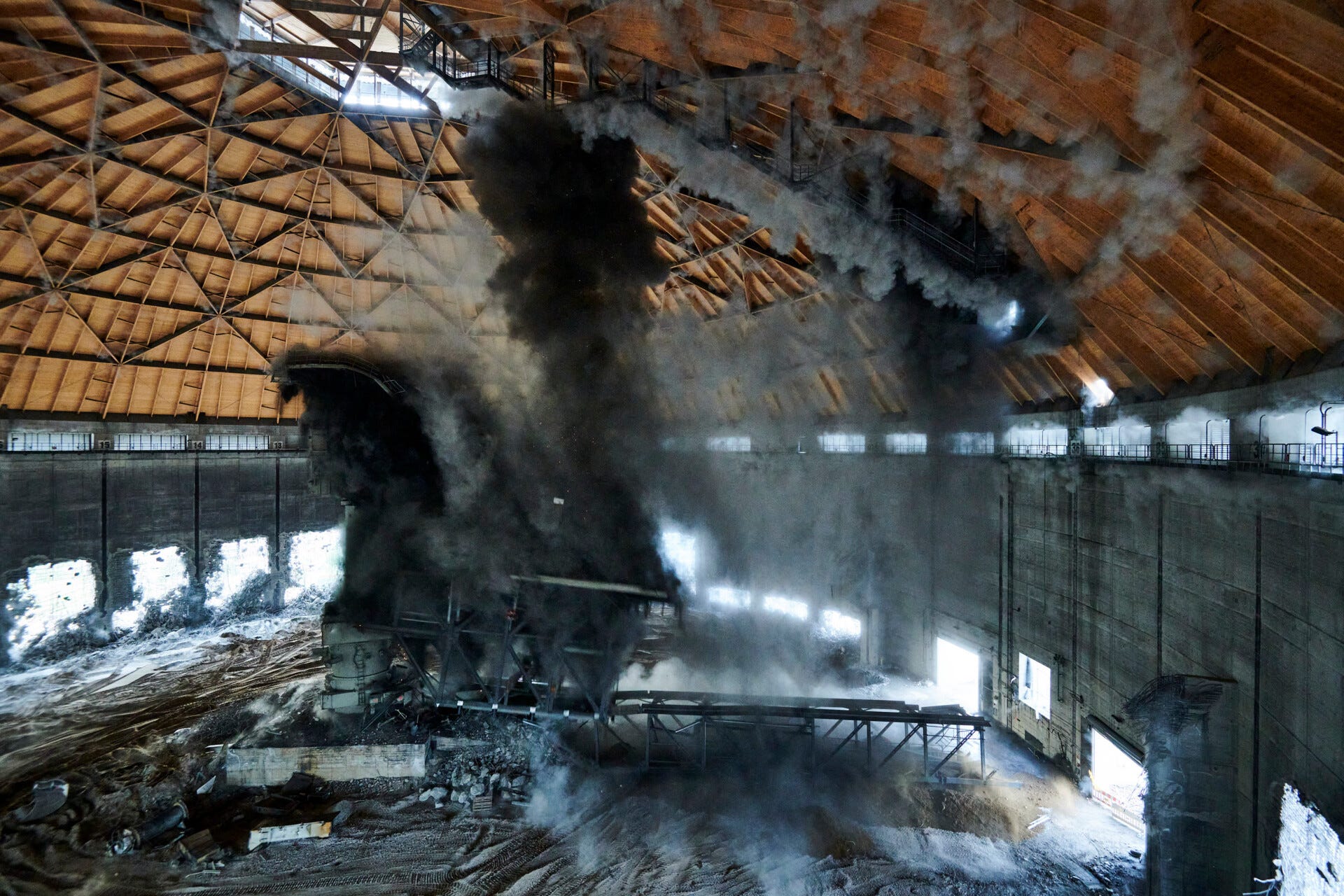
In Hamburg, crews are tearing down the Moorburg coal plant. Germany spent roughly three billion euros to build it, and in 2015 it came online as one of the cleanest, most efficient plants in Europe at around 1,650 megawatts of dependable baseload power. It worked. Then, after barely six years, the climate cult that runs German energy policy forced it shut even though the EU is generally returning to Coal. Now taxpayers pay twice: to close it, and to fund a green hydrogen fantasy that may not run for years.
That’s not policy. That’s economic vandalism.
Also this week, Alaska got the opposite news. The federal government announced roughly $700 million to rebuild America’s coal infrastructure, and one of the three projects it funds is ours. The Terra Energy Center, planned for the Susitna coal basin northwest of Wasilla, is moving forward; federal dollars matched by private capital to roughly $386 million, with further commitments well into the billions. It would be the first new coal plant built in the United States since 2013, and Alaska is leading it.
I have written before about the folly of Germany’s coal surrender; today I get to write about the alternative. The eco-terrorists who pushed Germany’s collapse want the same here. They destroyed a world-class plant for ideology, not engineering, and now Germans pay among the highest energy prices in the developed world while the lights stay on only because Germany imports power it once made itself.
Terra is the flat rejection of that madness. It does not abandon a working asset; it builds one, using modern supercritical generation with carbon capture and Alaska’s enormous coal reserves, the exact “modernize instead of demolish” approach Germany was too feige — too cowardly — to take. Germany chose managed decline. Alaska is choosing to build.
If anyone still thinks baseload power is an abstract debate, open a recent Golden Valley Electric Association bill. On June 1, GVEA’s Fuel and Purchased Power rate hit 20.7 cents per kilowatt-hour, the highest in its history, about 61 percent over the prior quarter, roughly $45 on a single monthly bill. Why? Utilities leaned hard on diesel through one of the coldest winters in a century, and that diesel more than doubled, from around $2.50 a gallon to over $5.10. That is what happens when dependable power becomes scarce, and families pay through the nose.
Interior Alaska knows the answer, because it never drank the Kool-Aid. Golden Valley kept Healy Unit 2 running, delivering dependable coal-fired power since 2018 on Alaska coal from the Usibelli Mine.
Southcentral faces a different barrel. Roughly 70 percent of Alaskans depend on Cook Inlet natural gas, and it is running out, with major contracts expiring in 2027 and 2028 and recent lease sales drawing almost no interest. So what is the brilliant fallback? Importing liquefied natural gas. Let that sink in: one of the most resource-rich states in the country, preparing to ship fuel in from Outside to keep the heat on, with one Mat-Su utility already facing a projected 49 percent rate jump by 2028.
That’s not a strategy. That’s surrender dressed up as planning.
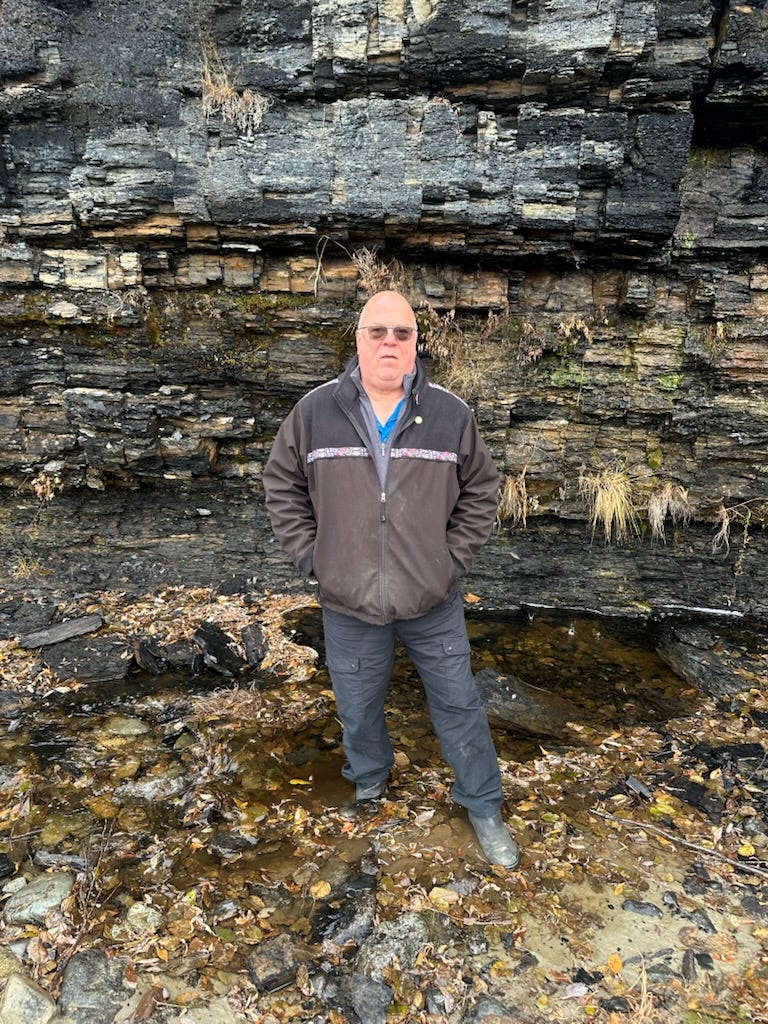
Here is the heart of it: the case for Terra is not that coal should replace everything else, but that no sane energy system or locality bets its entire survival on one fuel. A coal plant in the Susitna basin gives the Railbelt firm, dispatchable power made entirely inside Alaska. It does not eliminate gas, hydro, or wind, it backs them up. When global LNG prices spike, Alaska coal stays priced on Alaska terms. When the wind dies in a cold snap, as it did catastrophically in Texas during Winter Storm Uri’, coal keeps the furnaces running and people alive. That is the difference between a grid that bends and a grid that fails.
Yes, Terra still has hurdles, permits, transmission, power purchase agreements, a final investment decision. Every serious project Alaska ever built faced the same gauntlet, and the great ones got built anyway. The doubters are the same people who would have called Prudhoe Bay a fantasy.
Germany’s experience should be a warning, not a blueprint. This week Alaska chose the better path, and for every family staring at a higher bill, every business trying to compete, and a state that needs affordable, reliable energy to grow, that choice is worth fighting for.