

In the debate over abortion policy, emotional rhetoric often drowns out reality. But sometimes the most powerful moment is not political at all. It is a screen in a quiet exam room and the sound of a heartbeat.
Most pregnancy resource centers report a consistent pattern. When an abortion-minded mother receives an ultrasound in a supportive setting, roughly 80 percent choose life. That’s not theory; it is documented fact. PreBorn! Network Clinics reported that 81.5 percent of abortion-minded women chose life after an ultrasound in their 2023 data, which is consistent with the 80 percent figure from pregnancy centers nationwide. When a woman sees the child she is carrying, abstraction disappears and the decision becomes personal.
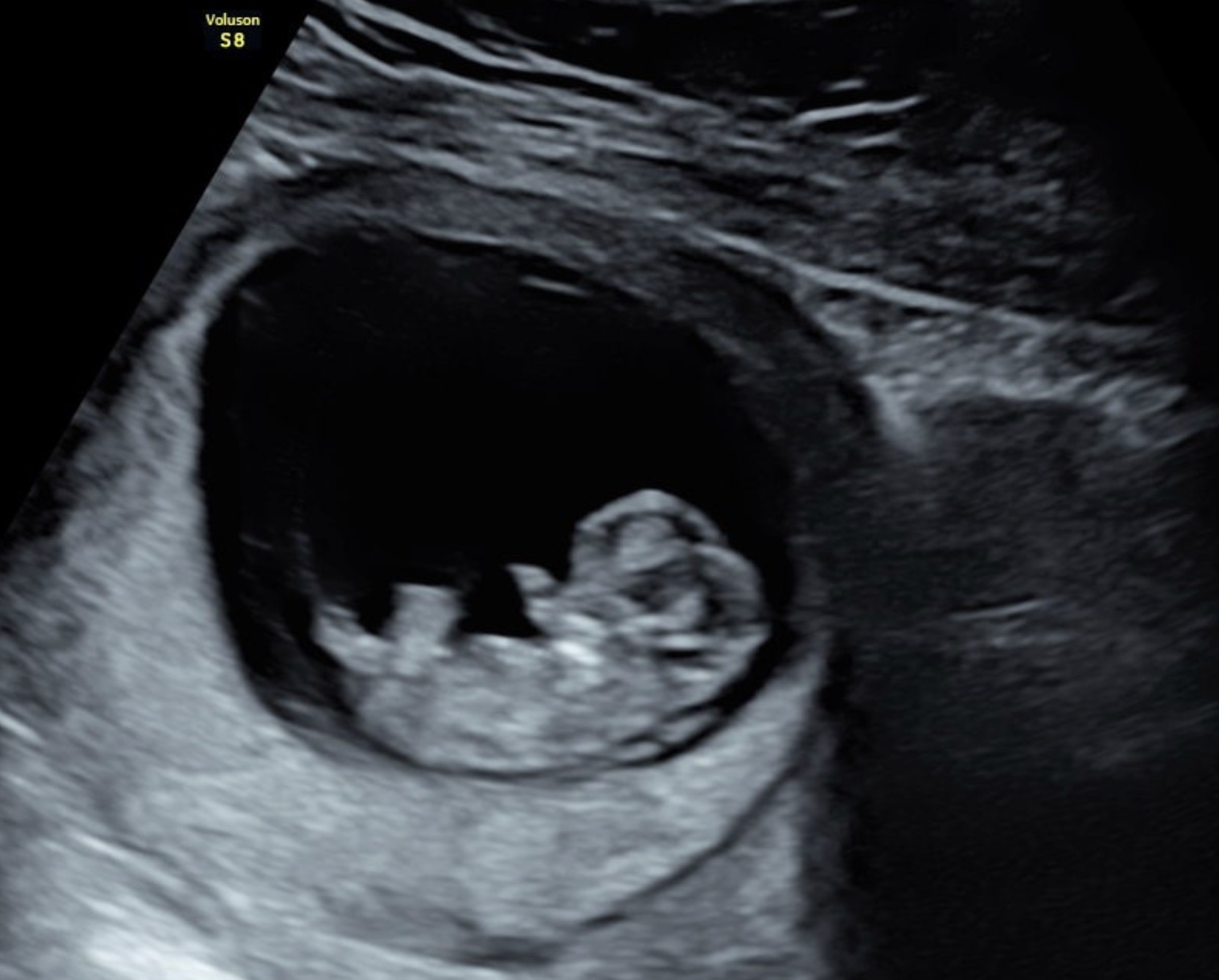
PreBorn! has clinics with ultrasound machines. They fund free scans, and train staff to provide compassionate, gospel-centered counseling as well as practical support. Through 2024, more than 337,000 babies have been saved, and more than 460 ultrasound machines have been placed nationwide. In 2024 alone, over 67,000 babies were saved through their network. Their message is simple: one ultrasound, one life. That encounter, paired with real help, replaces fear and isolation with clarity and connection.
In Alaska, however, our policy should reflect reality.
Chemical abortions using mifepristone and misoprostol now account for a majority of abortions nationwide. In Alaska, 1,224 abortions were reported in clinical settings last year. Some estimates suggest that thousands more may occur outside those settings through mailed mifepristone obtained via out-of-state telehealth. The process is marketed as simple, anonymous, private and safe. For many women, however, it involves heavy bleeding, severe cramping, passing fetal tissue, and the mental health issues of facing it alone. The testimonies are real and often traumatic.
Alaska House Bill 326 addresses this reality. It does not ban chemical abortion. Under current Alaska Supreme Court precedent, abortion is legally protected. That framework was not created by this bill and cannot be undone by this bill or by statute alone.

HB 326 requires two safeguards before abortion-inducing drugs are prescribed:
An in-person physical examination by a qualified health care provider.
A follow-up visit within 14 days to confirm completion and address complications.
These are basic standards of responsible medical care. In-person exams confirm an intrauterine pregnancy, determine gestational age, rule out ectopic pregnancy (a known life-threatening risk if undetected), and identify contraindications. In practice, this would include ultrasound imaging which creates the same type of moment that has proven transformative in pregnancy centers across the country.
Pregnancy centers that provide voluntary ultrasounds in a supportive environment consistently see far higher rates of life-affirming choices. HB 326 ensures that powerful drugs are not dispensed sight unseen. It closes the no-touch telehealth loophole and restores medical accountability.
There are those who will argue that regulating chemical abortion creates a statutory gateway or grants authority to abortion providers. That mischaracterizes constitutional reality, and is far from the truth. HB 326 does not create legal protection for abortion. That protection already exists under court rulings which (wrongly) interpret Alaska’s constitution. Refusing to regulate it does not make it illegal. It simply leaves women without safeguards.
We regulate constitutionally protected activities every day, not because we endorse them, but because government has a duty to protect public safety where it can. Requiring an in-person exam is not endorsement. It is accountability. Requiring follow-up care is not compromise, it is patient protection.
Public policy cannot be built on assumptions about motives. It must be built on enforceable standards of care. An in-person exam creates a medical record, confirms gestational age, identifies life-threatening ectopic pregnancies, and ensures that a woman is not left alone to manage complications. Some women will reconsider after seeing their child, and the child will live. Not all will. But some will; and some is not nothing.
States like Texas have seen that cumulative incremental policy changes can have measurable impact. Over several years, Texas enacted a series of incremental laws, including stronger reporting standards, in-person requirements, and broader abortion restrictions. The end results are not the effect of one single provision, but the combined weight of many smaller changes. Official reporting shows that total abortions performed in Texas facilities dropped dramatically after those laws took effect, and medication abortions declined sharply as well. While residents have sought services elsewhere, the in-state numbers reflect that layered safeguards and restrictions do change outcomes over time.
The lesson is straightforward. Durable policy shifts often come from steady, incremental reforms, not one sweeping act.
In the real world of lawmaking, we deal with the authority we actually have, not the authority we wish we had. An absolutist position may call for prohibition. Under current constitutional interpretation in Alaska, that is not within legislative authority. Within the authority we do have, we can reduce harm and create moments where life might be chosen.
An ultrasound does not coerce. It reveals. Organizations like PreBorn! have shown that revelation, paired with real support, saves lives. HB 326 does not attempt to replicate a ministry model. It establishes basic medical guardrails in a system increasingly driven by remote chemical abortions.
Women deserve more than pills in the mail from a faceless doctor (or even Medical AI Bot) and silence afterward. They deserve an exam, accurate dating, screening for ectopic pregnancy, and follow-up care. For something as important as a life, they deserve to see and understand what’s happening before making an irreversible decision.
In Alaska’s current legal landscape, doing nothing is not neutrality. It allows a system that removes physicians from the room and leaves women alone to face possibly serious consequences. A system that promises anonymity yet downplays the mental and physical health consequences.
If an in-person exam and an ultrasound create even a fraction of those life-affirming moments, that is not complicity. It is responsible governance within the limits of the law.
Originally published on Substack: https://kevinjmccabe.substack.com/p/chemical-safeguards-of-mifepristone