

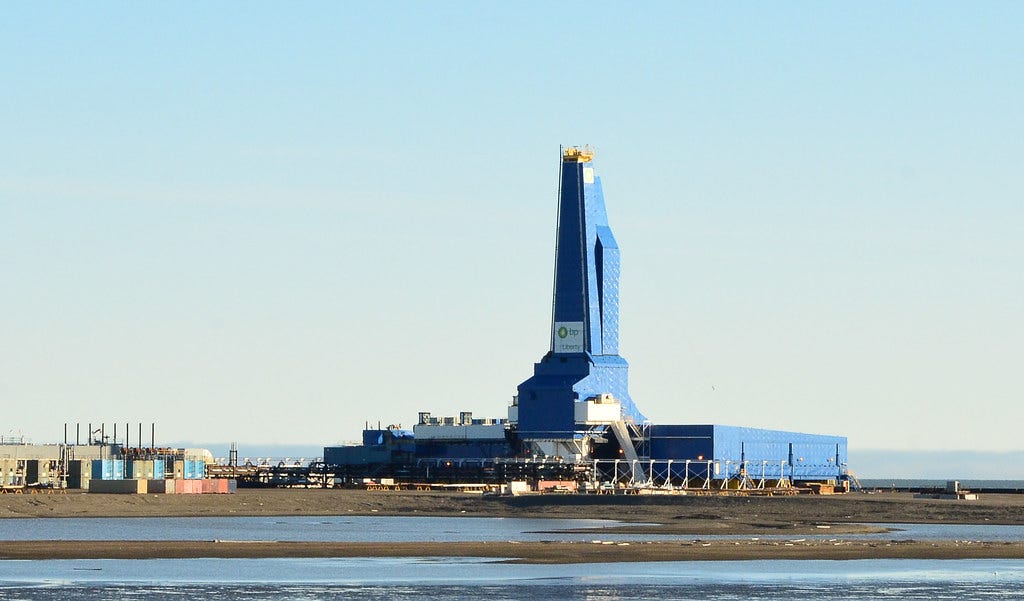
A recent New York Times article said what a lot of Alaskans already know: our state is at a crossroads. For decades, we built government and a way of life around one dominant revenue source, oil. Oil paid for roads, schools, public safety, libraries, parks, and the Permanent Fund Dividend. It built modern Alaska. But even those of us who strongly support responsible oil development should admit that no state can rely on one major industry forever without consequences. North Slope production has declined, markets swing wildly, and the world around us is changing whether we like it or not.
That is the trap.
It’s called the Resource Trap, and Alaska has been stuck in it for years. It is the habit of believing one resource can carry the whole load while we tie ourselves in knots over developing anything else. It is why every budget fight turns into the same circular argument over cuts, taxes, and the dividend. It is why too many in Juneau act like our only choices are to slash services, tax working families, or raid the very things that make Alaska unique. Those are not long-term solutions. They are signs of a state that has stopped thinking like a builder.
The answer is to stop acting like oil is enough.
Alaska needs to get back to what built this state in the first place: responsible development, real jobs, and a broader tax base generated by private-sector growth instead of squeezing families every time government runs short. That means thinking bigger than one field or one budget cycle. We need a gasline. We need strategic mining. We need strong fisheries. We need timber back in the conversation. We need rail and port infrastructure that supports development instead of being treated like a museum piece. We also need industrial projects that make economic sense, including data centers and the energy generation needed to support them.
The gasline is one of the clearest examples of how Alaska keeps getting in its own way. Alaskans have heard promises about a gasline for so long that many have tuned it out, and I understand why. But one of the biggest reasons this legacy project has not happened is because our policy framework has too often treated major infrastructure like a target instead of an opportunity. If you tax a project heavily during construction and early operation, before it is generating stable revenue, you are not encouraging investment. You are choking it off before it ever gets moving.
Twelve mills tax on a project that never gets built is nothing.
A performance-based approach makes more sense. Instead of hammering a project with assessed-value property taxes before it has produced anything, Alaska should structure taxation around throughput and actual production. Build it, let it start flowing, and then collect revenue in a way that is predictable and tied to real output. That gives local communities a fair share, gives investors certainty, and gives the project a real chance to exist. A built gasline would mean jobs, long-term state revenue, more energy security, and infrastructure that could anchor Alaska’s economy for decades.
We should also recognize where the next wave of industrial opportunity is coming from, and one of the clearest examples is data centers. The digital economy runs on electricity, cooling, land, and reliability. Alaska has real advantages in all four if we are smart enough to use them. Port MacKenzie is already zoned for heavy industrial use. Our climate reduces cooling demand. And if paired with reliable generation, including a modern coal-biomass facility with carbon capture, this is exactly the kind of long-term industrial investment that can diversify a local economy without shifting the burden onto residential ratepayers.
Developers behind these projects are talking about paying for their own transmission, infrastructure, and facilities. That means construction jobs, permanent operations jobs, and a tax base that can help support schools, roads, and local services. It also means Alaska can become a player in a fast-growing sector instead of watching other states capture the investment while we talk ourselves out of it.
Mining belongs in this conversation too. Alaska is rich in gold, copper, antimony, zinc, and other strategic minerals that are becoming more important, not less. Copper is essential for modern electrical systems and energy infrastructure. Gold remains economically important. Antimony has serious national security and defense applications. These are not leftovers from a past economy. They are part of the next one.
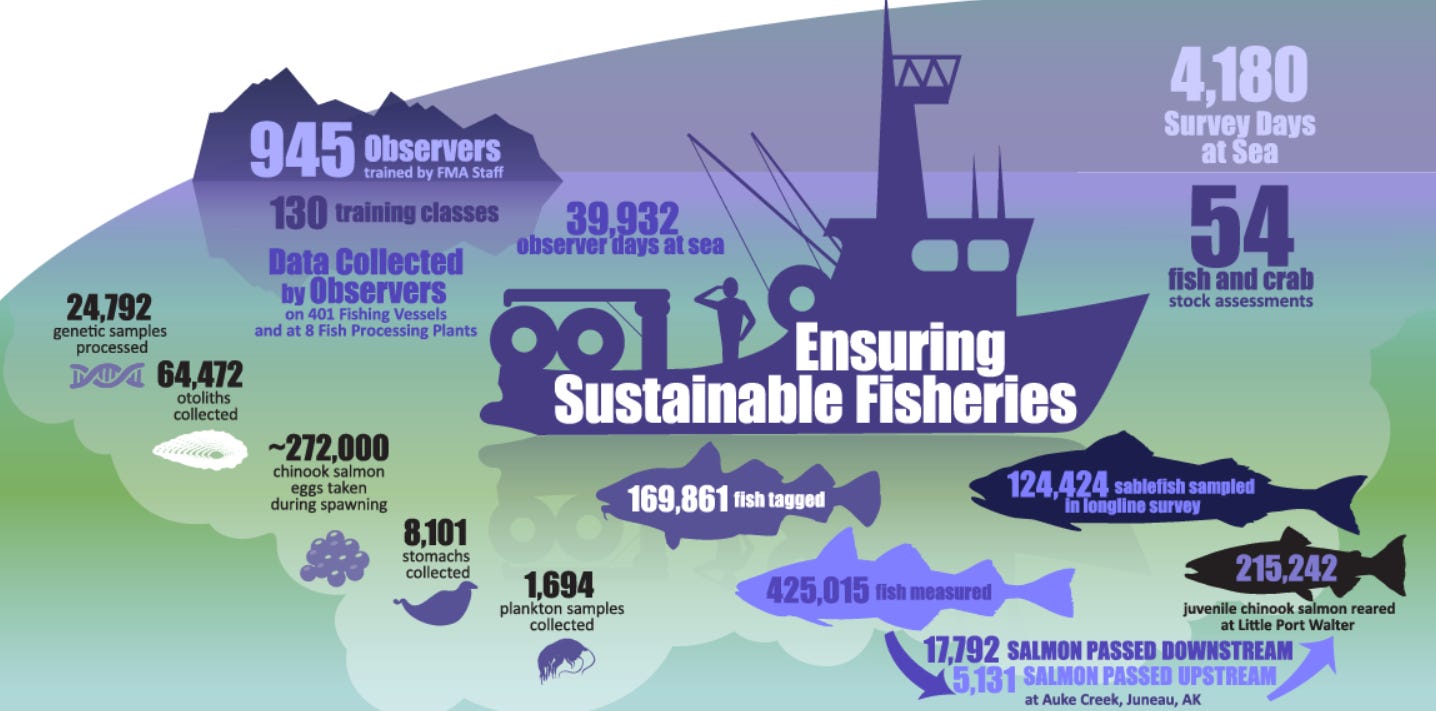
Alaska absolutely should protect fisheries, habitat, and water quality. No serious person disputes that. But we should reject the false choice that says we must permanently lock up our mineral wealth in order to prove we care about the environment. We have some of the strongest permitting and environmental oversight in the world. We know how to regulate major projects, require safeguards, and hold operators accountable. We also know that outside activist pressure has repeatedly distorted this debate and treated Alaskans like we are too irresponsible to make decisions about our own land.
And while we are talking about the backbone of development, we should be honest about the role of infrastructure. Commercial fishing and timber remain vital industries, but they need support systems to stay viable and competitive. The Alaska Railroad should be part of that larger strategy. It should help move ore, timber, fuel, industrial materials, and equipment where they need to go. If we are serious about diversification, then we need to connect the pieces instead of treating every project like it exists in a vacuum.
My point is simple: Alaska does not suffer from a lack of resources. We suffer from a lack of political will, long-term thinking, and frankly, a lack of vision. We are one of the most resource-rich places on earth, but too often we act like using those resources responsibly is somehow backward or embarrassing. It is not. It is how this state was built, and it is how this state remains strong.
If we broaden the base, the math changes. Data centers can bring local tax revenue. Mines can bring royalties, jobs, and long-term production. A gasline can bring throughput revenue and energy security. Fisheries and timber continue to support communities and families across the state. Together, those sectors can do what oil alone no longer can.
Oil has sustained us for 50 years. Shouldn’t we be planning for the next 50? The next 100?
That is how we protect the dividend, maintain essential services, avoid broad-based taxes on working Alaskans, and still fund government.
Alaska is not doomed to decline. But we do need to stop pretending one resource can carry us forever. The way out of the Resource Trap is not complicated. It is responsible development, clear rules, serious infrastructure, and the willingness to say yes when a project makes sense. If we want the next generation to live, work, hunt, fish, raise families, and build a future here, then that work cannot wait any longer.
That’s the Alaska way.